Here's what nobody explains clearly
Your body is not the problem. Your vibrator might be. If you've ever felt discomfort, numbness, or that vague sense of rawness after using a standard vibrator, you're not alone. The issue isn't sensitivity. It's friction.
Most vibrators work through rapid back-and-forth or circular movement against skin. On delicate tissue, especially if you're post-menopausal, healing from trauma, or just naturally prone to irritation, that mechanical friction builds heat and pressure. Your skin gets irritated. Sensation flatlines. You stop enjoying it.
Lemon vibrators work differently. They use suction-based stimulation instead.
How suction changes everything
Instead of vibrating against tissue, lemon clitoral vibrators create gentle pulses of suction that draw the clitoris slightly inward, stimulating the deeper nerve clusters without surface friction. It's the difference between rubbing a bruise and massaging around it.
Why this matters: your clitoris has roughly 8,000 nerve endings. They're not all on the surface. In fact, most of them run deeper, in the erectile tissue underneath the glans. A friction-based vibrator hits the same shallow nerves over and over. A suction device reaches the interior structure without the mechanical wear on outer skin.
The result? Stronger sensation, less damage, and pleasure that doesn't require you to numb out your body to tolerate it.
The tissue protection piece
Your vulvar skin is four to five times thinner than the skin on your arm. It has a much higher concentration of blood vessels, which is why it's so responsive to touch. That same delicacy means it damages more easily.
When a traditional vibrator creates friction, it triggers a protective response. Your body produces less natural lubrication, blood vessels constrict slightly, and sensation actually decreases even as you keep pushing for more intensity. It's a vicious loop.
Lemon vibrators short-circuit this. The suction pulse is so different from typical vibration that your nervous system reads it as something new. Instead of bracing against irritation, your tissue relaxes into it. Lubrication increases. Blood flow improves. You feel more, not less, as intensity builds.
This is especially valuable if you're managing conditions like vulvodynia, if you're post-menopausal and dealing with thinner tissue, or if you're recovering from any kind of genital trauma. Gentleness doesn't mean weakness in sensation. Lemon suction devices prove it.
Why pattern matters more than power
Most people assume intensity comes from vibration speed, measured in hertz. A vibrator oscillates 8,000 times per second, and people think "more hertz equals more sensation." Not quite.
With friction-based toys, that speed creates heat and accumulative irritation fast. Your nerves actually adapt to constant vibration, which is why you need higher and higher speeds to feel anything.
Lemon vibrators typically operate at lower frequencies, around 2,000 to 3,000 hertz, but the suction pattern is what delivers intensity. The rhythm of suction mimics the body's natural arousal response. Your nervous system recognizes the pattern and amplifies sensation naturally, without you needing to climb the power ladder.
This is why people often report that lemon clitoral vibrators feel more intense than much more powerful friction devices. You're not working harder. You're working smarter.
The warming factor
Friction generates heat. Over time, that heat numbs sensation and irritates tissue. Suction doesn't.
Because lemon vibrators rely on pulse frequency rather than rubbing speed, they create almost no frictional heat. Your tissue stays cool, lubricated, and responsive. Sessions can be longer without discomfort. Recovery time is shorter. The next time you use it, your tissue hasn't been compromised.
For people with sensitive skin, post-menopausal dryness, or conditions where heat triggers pain, this is transformative. You can finally explore intensity without the aftermath.
Which bodies benefit most
Lemon sexual toys work for everyone, but certain groups see the biggest shift.
Post-menopausal bodies. Estrogen loss thins tissue and reduces natural lubrication. Suction-based stimulation doesn't require the same level of lubrication that friction does, though adding a water-based lube enhances comfort. Many people report that a lemon vibrator is the first toy since perimenopause that doesn't leave them feeling raw.
People with vulvodynia or provoked vestibulodynia. Pain with penetration or touch is real, and friction toys make it worse. Suction creates sensation without the mechanical trigger. Working with a sex therapist or pelvic floor physical therapist alongside pleasure tools can be powerful here.
Folks recovering from birth or trauma. Tissue is healing. Friction is counterproductive. Suction lets you reclaim sensation without retraumatizing your body.
People with anorgasmia related to numbness. If you've climaxed the same way for years, your nervous system adapts and sensation flatlines. The suction pattern in lemon adult toys feels novel enough that your body resets.
Anyone with generally sensitive skin. You don't need a clinical reason. If standard vibrators leave you sore or numb, lemon clitoral vibrators are worth trying.
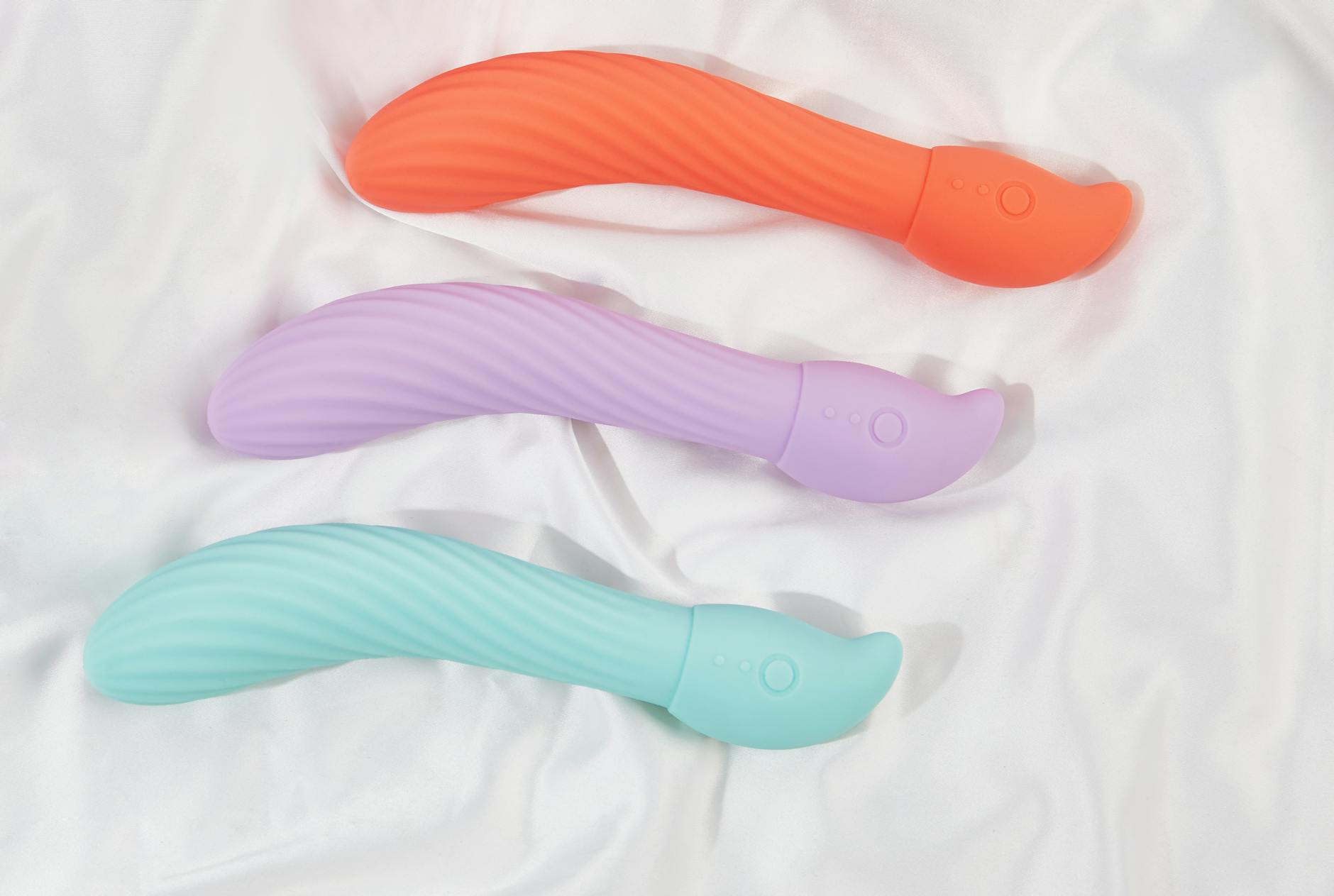
Photo by IFONNX Toys on Pexels
Practical setup for sensitive tissue
Having the right toy is step one. How you use it matters equally.
Start with the lowest pattern first. Most lemon vibrators have 5 to 10 patterns. Begin at pattern 1, even if it feels too gentle. Let your body adjust to the sensation. You'll probably find that what felt "weak" at first becomes intense once your nervous system settles.
Use lubricant even if you don't think you need it. Water-based lube isn't just for comfort. It creates a microfilm that protects tissue and carries sensation more evenly across the area. Apply generously.
Warm up for longer than you think. With suction-based toys, your body needs time to respond. Budget 15 to 25 minutes of foreplay or solo exploration before moving to the main event. This isn't a problem. It's the point. Arousal is the experience, not just the destination.
Stay hydrated. Dehydration reduces natural lubrication. Drink water before and during longer sessions. It sounds basic, and it is. It also changes everything.
Take breaks if you need them. Your body has finite capacity for sensation before it adapts. Two 10-minute sessions across the week will often feel more intense than one 20-minute session because your nervous system hasn't hit the adaptation wall.
If you're new to lemon vibrators, how to choose a lemon vibrator for your body type walks through finding the right fit.
When sensitivity signals something else
Sometimes tissue sensitivity isn't a sensitivity issue. It's a sign that something else needs attention.
If you experience pain during stimulation, thrush-like symptoms, unusual discharge, or if irritation persists after several sessions with proper technique and lubrication, book a gynecology appointment. Lichen sclerosis, contact dermatitis, or infections can mimic sensitivity but need different solutions.
Similarly, if you're experiencing emotional resistance to pleasure (grief, relationship tension, or unresolved trauma), a pleasure toy won't fix the underlying issue. A therapist can. That's not weakness. That's wisdom.
Most sensitivity issues settle quickly with the right approach. But ruling out medical or emotional factors first saves time and frustration.
The reassurance at the core
Your body isn't broken. Your tissue isn't too sensitive. You've probably just been using a tool designed for a different kind of body, or one that approaches pleasure through friction when your nervous system responds better to suction. That's not a limitation. It's information.
Lemon clitoral vibrators work better for sensitive tissue because they respect how your body actually works. That respect, combined with the right technique, usually unlocks sensation you didn't know was possible. Pleasure isn't supposed to leave you sore. It's supposed to leave you satisfied.
People also ask
Are lemon suction vibrators safe for sensitive skin?
Yes, when used correctly. Suction-based stimulation is gentler on tissue than friction because it doesn't create the same mechanical wear. That said, technique matters. Start with the lowest pattern, use lubricant, and listen to your body. If you have a specific skin condition like lichen sclerosis or severe vulvodynia, chat with your gynecologist first to rule out contraindications.
Can I use the same lube with lemon adult toys that I use with other vibrators?
Mostly, yes. Water-based lubes work with all toy materials and are the safest bet. Avoid silicone-based lubes with silicone toys, as they can degrade the surface. Oil-based lubes can trap bacteria and aren't recommended for extended use. Stick with water-based, and you're good across all lemon vibrators.
How long does it take to feel results with a suction vibrator?
Many people feel a difference in sensation within the first few uses, especially if they're coming from friction-based toys. But nervous system adaptation takes time. Give yourself at least 5 to 10 sessions before deciding if a toy is right for you. Your body needs time to recognize and respond to a new pattern.
Is sensitivity to vibrators a sign of a medical problem?
Not necessarily. Some bodies just respond better to suction than friction. Some are more sensitive to speed or intensity. Those are normal variations, not problems. That said, if sensitivity recently appeared or is accompanied by pain, discharge, or other symptoms, get it checked. Most of the time it's nothing. Sometimes it's worth knowing.
Do lemon clitoral vibrators work better for post-menopausal bodies?
Often, yes. Estrogen loss thins tissue and reduces lubrication, which makes friction-based vibrators uncomfortable. Suction-based stimulation doesn't rely as heavily on friction, so many people find lemon vibrators feel better. That said, every body is different. Best lemon vibrator for women over 40 breaks down what tends to work at that stage.
What's the difference between a lemon vibrator and a regular vibrator?
The core difference is stimulation method. Traditional vibrators use rapid vibration and friction against tissue. Lemon vibrators use suction pulses that draw tissue gently inward, stimulating deeper nerve endings without surface friction. For sensitive bodies, suction is often more comfortable and delivers stronger sensation. Both have their place, but for tissue protection, lemon sexual toys tend to win.
The bigger picture
Sensitivity is feedback, not failure. Your body is telling you what works and what doesn't. Lemon vibrators listen to that feedback and work with your tissue instead of against it. That's not settling for less intensity. That's designing for better sensation.
Your pleasure matters. And you deserve a tool that respects your body while delivering what you actually want. If you're ready to explore, contact us with questions, or check out the full range of options at Hello Nancy.