
Let's talk about the thing nobody tells you
Most people pick a vibrator the way they pick a Netflix show: based on the thumbnail and what their friends liked. Then they're shocked when it doesn't work for them. Here's the thing: your body has preferences, and a lemon vibrator designed for someone else's nervous system might feel completely wrong on yours.
I've worked with hundreds of couples navigating pleasure, and the pattern is always the same. Someone buys a gorgeous device, tries it once, it doesn't land the way they expected, and they assume they're broken. They're not. They just chose the wrong tool for their body.
Understanding sensation response: why intensity isn't one-size-fits-all
Your nervous system has a sensitivity baseline, and lemon vibrators or any clitoral vibrator sits on a spectrum from gentle to intense. Some people's bodies light up with soft, sustained pressure. Others need stronger, faster stimulation to build toward orgasm. Neither is better. They're just different.
The issue is that many lemon sexual toys market themselves as universal when they're really calibrated for one response type. When you pick against your actual sensitivity, two things happen: either you're constantly working harder than you should, or the sensation feels harsh and pulls you out of the moment entirely.
I always ask clients: when you touch your arm gently, does it feel soothing or does it tickle like hell? When you get a massage, do you like light pressure or do you need someone to actually dig in? Your answers predict which lemon clitoral vibrator will actually serve you.
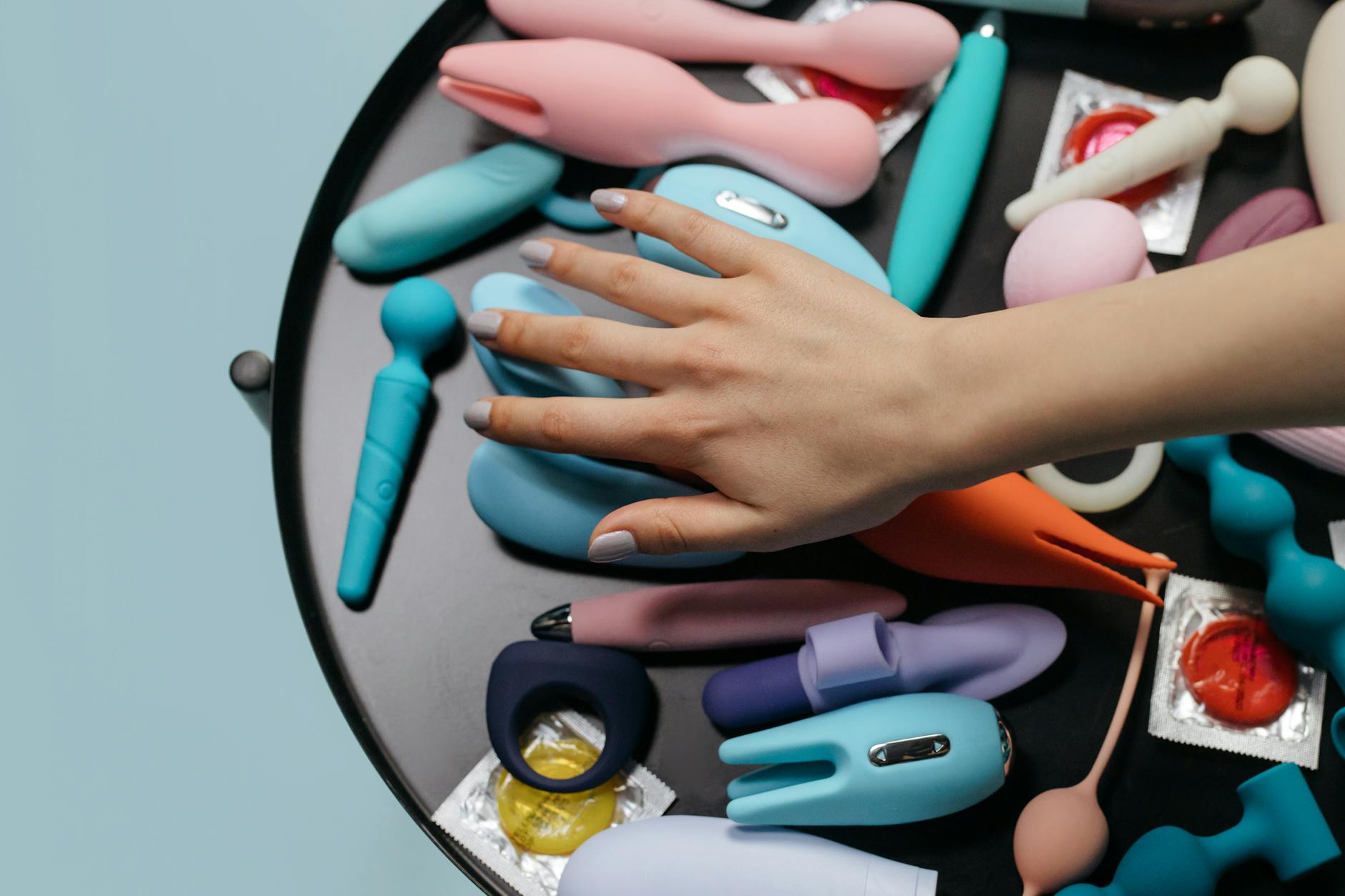
Photo by cottonbro studio on Pexels
The suction-versus-vibration question
Most lemon vibrators use air suction technology rather than traditional vibration. This is actually genius, but only if you understand what that means for your body.
Suction creates a gentle pulling sensation that stimulates the entire clitoral network, not just the surface. It feels less like buzzing and more like rhythmic pressure. For people who've had bad experiences with vibrators that felt too buzzy or numbing, suction often changes everything.
But here's the catch: if your body responds best to direct, rapid stimulation, you might find suction too slow or not intense enough. That's not a flaw in the device. That's data about your preference.
Before you buy any lemon sucker or clitoral vibrator, ask yourself: when I'm alone, what kind of touch actually works? Firm and consistent? Light and teasing? Fast or slow? Your answer matters way more than any marketing claim.
Size, shape, and ergonomics that actually fit
A lemon vibrator's shape matters because it determines where the stimulation lands and how your hand angles. The classic lemon design is compact, which is great for solo use and travel. But compact isn't universal.
Some bodies prefer broader coverage. Others need something more precise. If you have limited hand strength or dexterity issues, you might need something lighter or with a wider grip. If you share a bed and want something discreet, size becomes part of the decision.
I've watched people buy beautiful devices only to abandon them because they're awkward to hold for more than five minutes. Ergonomics aren't superficial. They directly determine whether you'll actually use the thing.
Honestly, the best approach is to test the weight and shape in your hand before you commit. Online shopping makes that hard, which is why reviews from people with bodies similar to yours matter. Not "I loved it," but "I have small hands and still have no hand fatigue after 20 minutes." That's useful data.
Power levels and flexibility in stimulation
Every decent lemon vibrator or clitoral vibrator has intensity settings. What matters is the range and how granular those settings are.
Some devices jump from gentle to overwhelming with only two or three levels in between. Others let you dial in nuance across seven or more settings. If you like to start soft and build gradually, you want range. If you know exactly what you need and want to get there fast, simpler might work.
Also consider patterns. Some lemon sexual toys cycle through preset rhythms. Some let you pulse or wave the intensity yourself. Some do both. More options sounds better in theory, but honestly, many people find they use the same one or two patterns every time. You don't need every button if you know what serves you.
The question to ask: Am I someone who likes exploring variety, or am I someone who finds one thing that works and sticks with it? Your answer shapes which device actually gets used versus sits in a drawer.
Material, durability, and long-term comfort
Most quality lemon clitoral vibrators are silicone, which is non-porous and easy to clean. That's good. What varies is the thickness and rigidity of the silicone.
Thicker, firmer silicone feels more substantial and durable. Thinner silicone can feel more like skin and might compress slightly under pressure. Neither is wrong, but they create different sensations over time. If you prefer something that holds its shape and feels solid, thickness matters. If you want something that feels more organic, thinner works.
Also think about whether you want something waterproof. Shower or bath use changes how you might play. Water can affect sensation, so you need to know if that's something you'll want.
Last thing: battery versus rechargeable. Rechargeable lemon vibrators save money and hassle long-term, but they require planning ahead. If you like spontaneity, rechargeable can feel like a barrier. Neither choice is objectively better, but it's worth knowing yourself.
What your past experiences actually tell you
If you've tried vibrators before, your history is the best data you have. What worked? What didn't? Why?
Maybe a previous device was too loud and killed the mood. That tells you to prioritize quiet models. Maybe it felt numb after a few minutes. That suggests you need something that doesn't focus pressure on a single point, which is where lemon suction technology often wins. Maybe you've never tried anything and you're starting from scratch. That's fine too, but it means starting with a versatile middle-ground option, not the most intense device on the market.
When choosing your first device, your job is gathering information about yourself, not committing to one product for life. You'll probably own several things over time, and that's normal. Each one teaches you something.
Practical next steps
Here's how I recommend approaching this: Start by naming your sensitivity baseline. Are you gentle-touch or deep-pressure? Be honest with yourself.
Second, decide what matters most: discretion, power range, specific patterns, or something else. You can't optimize for everything, so pick two or three non-negotiables.
Third, read reviews from people whose bodies seem similar to yours and who describe their preferences clearly. Ignore five-star reviews that just say "love it." Find the detailed ones.
Last, once you pick something, give yourself permission to try it a few times before you decide if it's right. Pleasure often needs time to build trust with a new tool. One disappointing session doesn't mean it's wrong for you.
Your body deserves a device that actually serves it. That's not shallow. That's self-respect.
People also ask
What's the difference between a lemon vibrator and other clitoral vibrators?
A lemon vibrator typically uses air suction technology instead of traditional vibration, which creates a gentle pulling sensation rather than buzzing. This makes it less likely to feel numbing and more stimulating for the entire clitoral structure. Lemon clitoral vibrators are also usually compact and discreet, designed to fit naturally in your hand. Other vibrators vary widely in mechanism, size, and intensity. A lemon sexual toy might suit you better if you want suction-based stimulation, but that's a personal choice based on your body's response.
How do I know if I need a more intense lemon sexual toy or a gentler one?
Think about how your body typically responds to sensation. If light touches tickle uncomfortably and you naturally prefer firm pressure, you'll probably want a stronger device. If gentle touches feel soothing and you get overstimulated easily, start with a gentler setting. You can also test this by paying attention to how you touch yourself during solo exploration. Your natural pressure preference usually translates to vibrator intensity preference.
Can you use a lemon clitoral vibrator if you have sensitive skin or numbness issues?
Absolutely. In fact, lemon vibrators with suction technology often work better for sensitive bodies because they distribute stimulation across a broader area rather than concentrating it in one spot. This reduces numbness and allows for longer sessions. Start with the lowest intensity setting and take breaks if you feel oversensitivity. If numbness is happening, it usually means the intensity is too high, not that the device is wrong for you.
How much should I spend on a quality lemon sucker or lem vibrator?
Quality clitoral vibrators from reputable brands typically range from $60 to $100. You don't need to spend more for pleasure that works for your body. You do need to spend enough that the device is durable, made from body-safe silicone, and has reliable motors. Cheaper devices often feel cheap, have poor battery life, or fail quickly. Middle-range devices offer the best value for most people.
Should I choose a lemon vibrator with lots of patterns or keep it simple?
If you're the type of person who likes exploring and experimenting, pattern variety might appeal to you. But honestly, most people find one or two patterns they love and stick with them. Don't pay for features you won't use. A simple device with solid build quality and one or two reliable intensity settings often outperforms a complicated one. Choose based on how you actually behave, not how you think you should.
What should I look for in reviews before buying a lem vibrator?
Look for reviews that describe sensation, durability, noise level, and ergonomics rather than just vague enthusiasm. Pay special attention to people mentioning things like hand fatigue, whether it feels too buzzy or not intense enough, and how long the battery lasts. If someone has a similar body type or sensitivity level to yours and they describe a positive experience, that's more useful than a generic five-star rating. Ignore reviews complaining about things that don't matter to you and focus on the specifics that do.