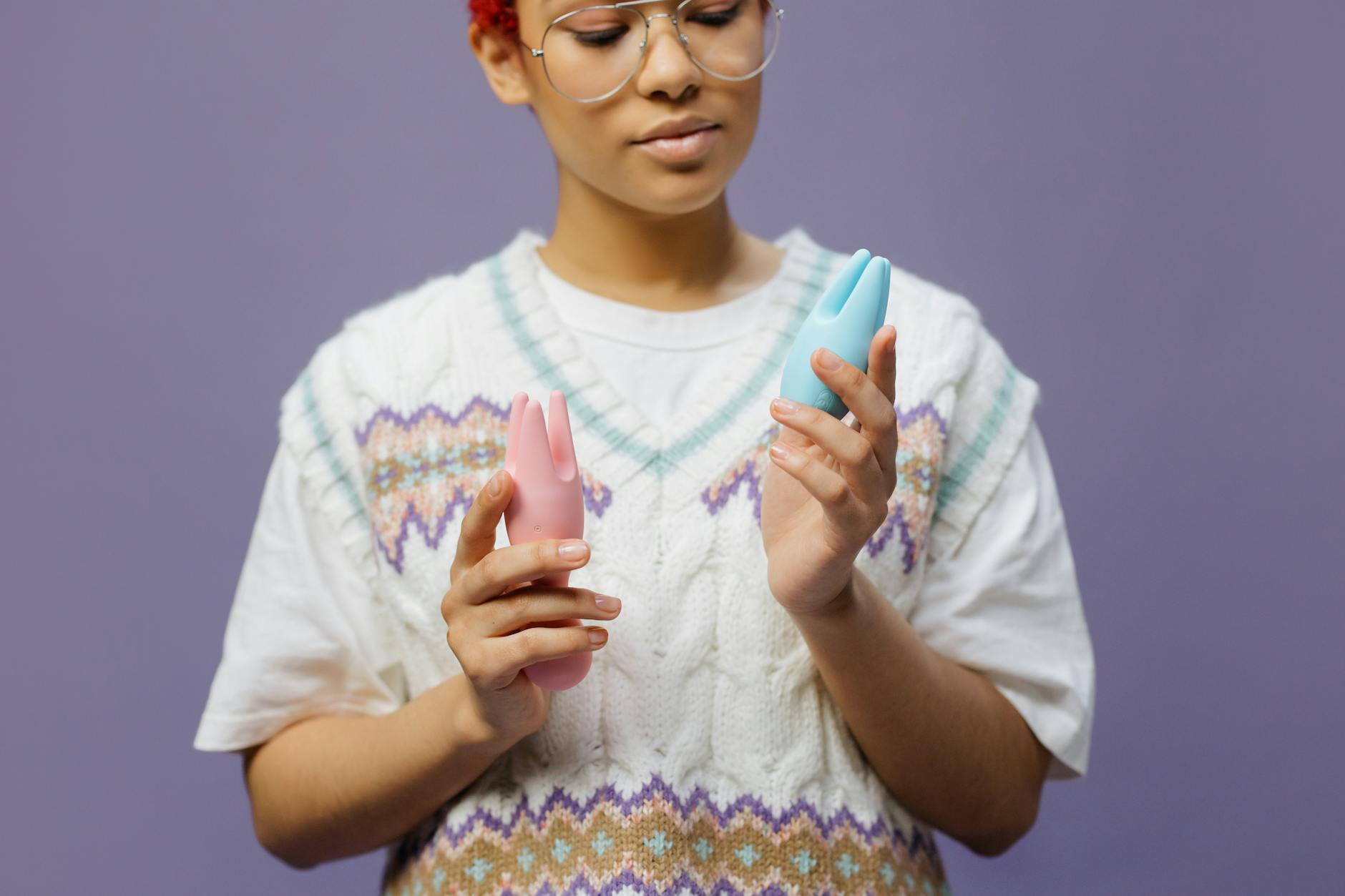
Let's talk about what nobody tells you
The difference between a good experience with your lemon vibrator and a transformative one often comes down to one decision: lubricant. I've worked with countless people navigating pleasure, and the pattern is consistent. Using the right lube with a lemon clitoral vibrator doesn't just feel better. It changes everything.
Most folks either skip lube entirely or grab whatever's in the nightstand without thinking. Both approaches leave significant pleasure unrealized. The right lubricant, applied thoughtfully, amplifies sensation, reduces friction irritation, and extends your session. This isn't a minor detail. It's foundational.
Why lube matters with a lem vibrator
Your skin isn't designed to sustain friction indefinitely, even pleasurable friction. A lemon vibrator creates intense, concentrated stimulation on a small, sensitive area. Without lubrication, two things happen: tissue micro-abrasion builds up over time, and the vibration intensity can start to feel less like pleasure and more like irritation.
Lube solves both problems. It creates a buffer that lets the vibration transmit fully while protecting delicate tissue. It also allows your vibrator to glide slightly, which many people find extends pleasure. The suction mechanism of devices like the Lem works more smoothly with a thin layer of lube beneath it.
There's also the arousal factor. Natural lubrication varies widely depending on hormones, hydration, stress, and relationship dynamics. Supplementing with external lube removes the pressure to produce enough on your own, which paradoxically helps you relax and arousal actually flows more naturally.
Water-based vs. silicone-based lube for your lemon vibrator
Here's the rule: if your vibrator is silicone (and most lemon vibrators are), you have two safe options. Water-based lubricants are the straightforward choice. They're compatible with silicone toys, easy to reapply during your session, and wash off cleanly. They also don't feel heavy or sticky on skin.
Silicone-based lubricants are greasier, feel luxurious, and last longer without reapplication. The catch is they degrade silicone toys over time. Not immediately, but if you use silicone lube regularly with your lemon clitoral vibrator, you'll notice texture changes within months. Stick with water-based for daily use.
Hybrid lubes exist, but they're not worth the complexity. Water-based works beautifully for lemon vibrators.
Application technique that actually matters
Most people put lube directly on the vibrator itself. That's not wrong, but it's incomplete. Here's the smarter approach.
Apply a small amount—roughly a dime-size dollop—directly to your skin where you'll be using the vibrator. Let it warm for three seconds. Then power on your lem vibrator at a low setting and let the device distribute the lube as it glides. This gives you control over coverage and prevents over-lubrication, which can make everything feel slippery and diffuse the sensation.
Start at pattern one or two. Once you're warmed up and sensation is building, you can increase intensity. The lube acts as a conductor, so you might find higher settings feel more comfortable than they would be dry.
Reapply every five to ten minutes, or whenever you feel friction increasing. Less is more. You're not trying to soak the area; you're maintaining a glide layer.
Choosing the right lubricant formula
Not all water-based lubes are created equal. Some are thin and watery, which feels great initially but requires frequent reapplication. Others are thicker and more viscous, which many people prefer for extended sessions.
For solo pleasure with your lemon vibrator, a slightly thicker formula works well. It stays where you put it and reduces the need to pause and reapply every few minutes. If you're using your vibrator with a partner, a thinner, more glide-forward formula often feels better during combined play.
Look for formulas labeled "hypoallergenic" or "free from glycerin," especially if you have sensitive tissue or are prone to yeast infections. Glycerin is a common irritant, and a glycerin-free water-based lube eliminates that concern entirely.
Temperature also plays a role. Some people find warming their lube slightly before application (hold the bottle between your hands for ten seconds) enhances the experience. Cold lube on warm skin can be startling. Warming it bridges that gap.
The rhythm between lube and intensity
Here's something counterintuitive: more lube doesn't always mean better sensation. Too much actually diffuses the vibration because the device loses direct contact. You're aiming for a thin, consistent layer.
This is where the lace relationship between lube amount and vibrator intensity becomes important. If you're using a stronger pattern, you typically need less lube because the vibration carries through the barrier. If you're using a gentler setting, a slightly thicker lube layer helps transmit sensation.
Experiment with your lemon clitoral vibrator during solo sessions. Notice the sweet spot between comfortable friction and optimal sensation. That's your calibration baseline.
Common mistakes that reduce pleasure
Using scented or flavored lube on clitoral tissue is the biggest mistake I see. Fragrance is irritating, and flavoring agents are often sugar-based, which breeds yeast. Stick to unscented, unfllavored formulas for direct contact.
Another common error: using too much lube upfront and then not reapplying. People think if they slather it on initially, they're set for the whole session. That's not how friction works. Lube gets absorbed or displaced; plan to reapply.
Also, don't assume one lube works for every session. Hormonal fluctuations, hydration levels, and even time of day affect how much supplemental lube you need. Check in with your body each time. Some sessions you'll need more. Others, less.
Lube and partner play with your lemon vibrator
If you're using a lemon clitoral vibrator with a partner, lube creates a conversation without words. It signals "this is about my pleasure, and I want it to feel incredible," which shifts the entire dynamic. It also gives your partner a role: they can apply it, watch, or simply know you're prioritizing yourself.
Many couples find that how to use lemon vibrators with a partner becomes more intimate when lube is part of the ritual. It's tactile, intentional, and removes performance pressure.
Lube storage and shelf life
Water-based lubricants have a shelf life, typically two to three years if stored properly. Keep yours in a cool, dark place. A nightstand drawer is fine; direct sunlight degrades the formula. If your lube develops an odor, looks discolored, or separates, replace it. It's not worth the risk.
Many people keep a small bottle at their bedside and a backup in a drawer. This eliminates the friction of searching for lube when the mood is right. You're already there. Make access seamless.
Building your lube ritual
Treat lubrication as part of foreplay, not a chore. Taking time to warm it, apply it intentionally, and notice how your lemon vibrator responds transforms lube from a functional step into part of the experience itself.
If you're nervous about using your lube vibrator for the first time, lube removes some of that anxiety. It signals safety and self-care. You're not forcing anything; you're creating optimal conditions for pleasure.
Lubricant isn't a backup plan. It's a primary tool. Using your lemon vibrator with quality water-based lube, applied thoughtfully, is the difference between a good session and one you actually want to repeat.
People also ask
Can I use coconut oil with my lemon clitoral vibrator?
No. Coconut oil degrades silicone over time, just like silicone-based lube does. It's also not formulated for internal or genital tissue, and it can trap bacteria. Stick to formulas designed for intimate use.
How much lube should I use with a lemon vibrator?
Start with a dime-size amount on your skin. That's usually enough for five to ten minutes of pleasure. Reapply as sensation shifts or friction increases. More lube doesn't equal better sensation; finding your sweet spot is the goal.
Does water-based lube dry out quickly?
It can, depending on the formula. Thicker water-based lubes stay active longer than thin ones. You'll know it's drying when you feel friction increasing or sensation becoming less fluid. That's your cue to reapply.
Is there a lube that works better for extended solo sessions with lemon vibrators?
Yes. Thicker water-based formulas designed for longer wear are ideal. They stay in place longer and require less frequent reapplication. For solo pleasure with your lem vibrator, that extended glide is often worth the slightly heavier feel.
Can lube reduce how intense my lemon vibrator feels?
Too much lube can diffuse sensation, but the right amount actually enhances intensity by creating optimal transmission. It's not that lube reduces feeling; it's that over-lubrication can if you use more than needed. Your calibration matters.
What if I'm sensitive to most lubes?
Glycerol and glycerin-free formulas are your starting point. Some people respond better to extremely simple formulas with minimal ingredients. Hypoallergenic brands are more likely to work, but everyone's skin is different. If irritation happens, stop and rinse with water immediately.