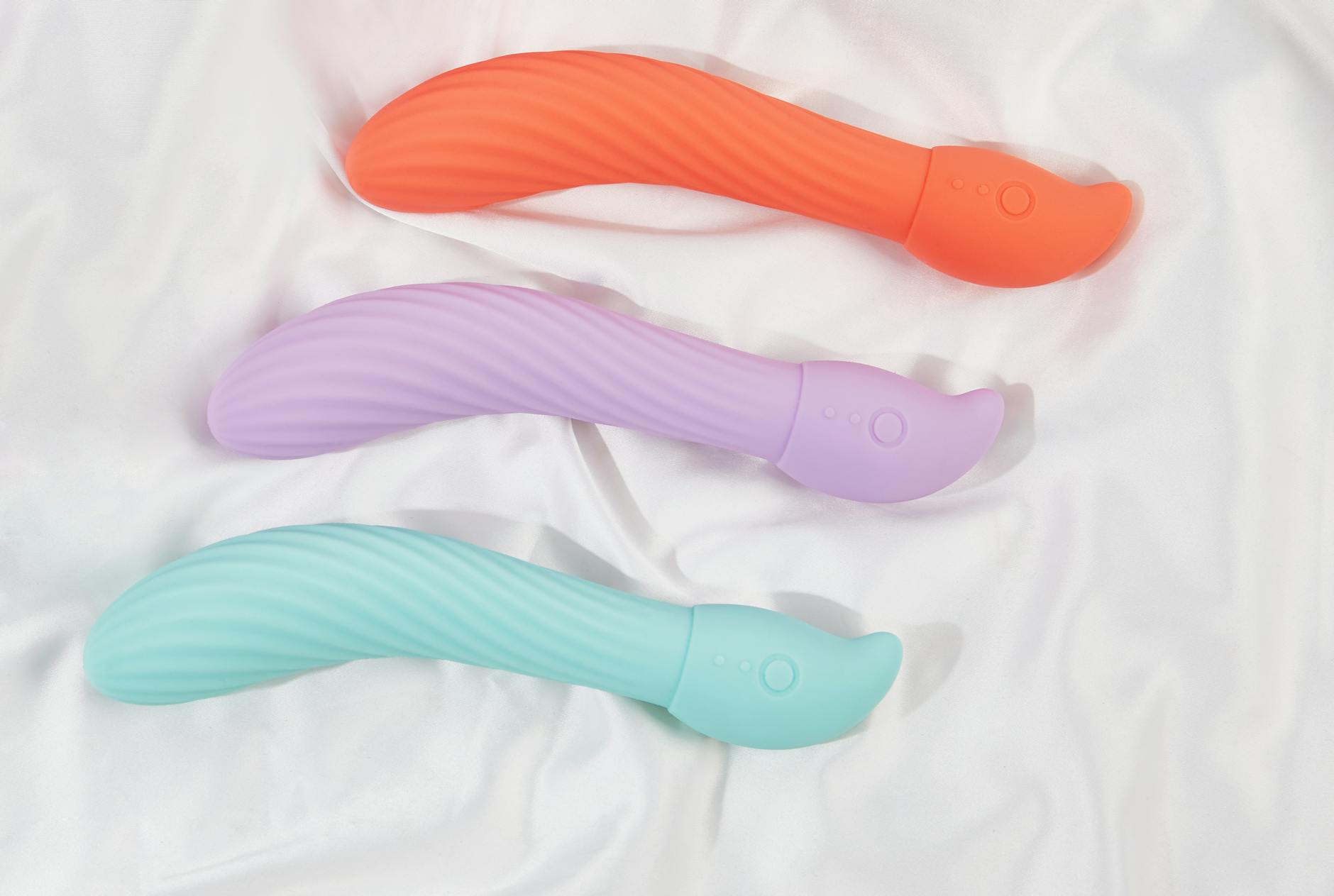
How Lemon Vibrators Restore Sensation After Nerve Damage or Numbness
Let's start with the honest part
Numbness down there is one of the least talked about sexual problems, which means most people suffering from it assume they're alone. They're not. Nerve damage, reduced genital sensation, and difficulty reaching orgasm from physical touch affect far more people than you'd think. The causes range from diabetes and pelvic surgery to childbirth trauma, long-term antidepressant use, and repetitive strain. The problem feels permanent. The solution isn't what you might expect.
Here's what I want you to know upfront: sensation loss isn't necessarily permanent, and a lemon clitoral vibrator isn't just a pleasure tool. When used strategically, it's a form of sensory retraining.
Why numbness happens and why it matters
Genital sensation depends on healthy nerve fibers and the brain's ability to recognize and amplify those signals. When nerves are damaged, compressed, or simply underused, the pathway weakens. This isn't metaphorical. Brain imaging shows that people with genital numbness have reduced neural activation in the sensory cortex. The tissue itself might be fine. The communication line is the problem.
Surgery, trauma, or prolonged pressure (like sustained cycling or sitting) can damage the pudendal nerve, which carries sensation from the clitoris and vulva. Diabetes damages small nerve fibers. Antidepressants and certain blood pressure medications dull sensation as a side effect. Even anxiety can cause the brain to suppress genital signals because it's treating the area as unsafe.
Why this matters: if sensation is gone, desire often follows. Pleasure and desire are neurologically linked. No feeling equals no motivation to engage. For many people in relationships, this becomes a wedge. "I can't feel anything" turns into "I don't want to try" turns into "We haven't had sex in a year." Breaking that cycle is the first step toward rebuilding both sensation and connection.
How vibration rewires the sensory pathway
This is where it gets interesting. Vibration is one of the few stimuli that can wake up damaged or quiet nerve fibers. Here's the neuroscience: vibration at specific frequencies (roughly 100-200 Hz for external stimulation) activates fast-adapting mechanoreceptors in the skin. These are the nerves responsible for detecting movement and texture.
When you use a lemon vibrator on numb tissue repeatedly over weeks, three things happen:
-
Nerve sensitization. The nerves that were suppressed or quiet start firing again. This is called "sensitization" in neurology. Repeated, gentle stimulation essentially tells the nervous system that this area is safe and worth paying attention to.
-
Cortical remapping. Your brain gradually allocates more processing power to the genital sensory cortex. fMRI studies show that people who use vibration therapy for reduced sensation show increased activity in the sensory regions after 4-8 weeks.
-
Breaking the anxiety loop. Many people with genital numbness also have anxiety in that area. Vibration provides immediate, unmistakable sensation, which interrupts the brain's learned avoidance. Pleasure signals start reaching the brain again.
A lemon clitoral vibrator works particularly well for this because the suction-based stimulation is distinct from typical vibration. It engages the tissue in a way that's hard to ignore, even if sensation is dull. You feel the pull before you feel the vibration, which gives the nervous system multiple pathways to process.
The protocol that actually works
I'm going to be specific here because randomness won't rebuild sensation. You need consistency and graduated intensity.
Week 1-2: Attention and safety. Use your lemon vibrator for 10-15 minutes, 3-4 times per week, at the lowest setting. Focus on noticing any sensation at all, even if it's faint. The goal is not orgasm. The goal is attention. Your brain needs to know you're paying attention to this area again.
Week 3-4: Duration and texture. Extend sessions to 20 minutes. Notice if sensation is increasing. You should feel some change by week 3. If nothing is shifting, see a doctor before continuing (this might indicate nerve damage that needs specialist evaluation).
Week 5-8: Graduated intensity. Move to settings 2-3 on the Lem vibrator. You're no longer retraining. You're amplifying. Many people report that orgasm becomes possible again in this window, though it might feel different than before.
Week 9+: Integration. Use the vibrator as part of partnered sex or solo pleasure. Sensation typically continues improving for 12-16 weeks. Some people regain nearly all prior sensation. Others find their new baseline is different but satisfying.
The keys are consistency, patience, and graduated progression. Jumping to high intensity too fast can cause irritation and actually reset progress. Your nervous system is learning. Learning takes time.
What to do about reduced sensation with a partner
If you're in a relationship and dealing with numbness, this conversation is necessary but loaded. Here's what I recommend:
Don't frame it as a problem you have to solve alone. Frame it as something you're both rebuilding. "My sensation is lower than it used to be. I'm working on it with a tool that's really helping. I'd like your patience while I rebuild this." That's honest and collaborative.
If your partner is already feeling rejected by reduced sex drive, the presence of a lemon vibrator in your routine can feel like a replacement rather than a bridge. It's not. Talk about it directly. "This is helping my nerves wake up again. Ideally, this bridges back to us connecting more." Specificity kills the narrative where they feel sidelined.
Consider using the vibrator during partnered sex, not instead of it. This keeps intimacy central while addressing the sensation gap. You get stimulation you can actually feel. They stay involved. You're both working toward the same outcome.
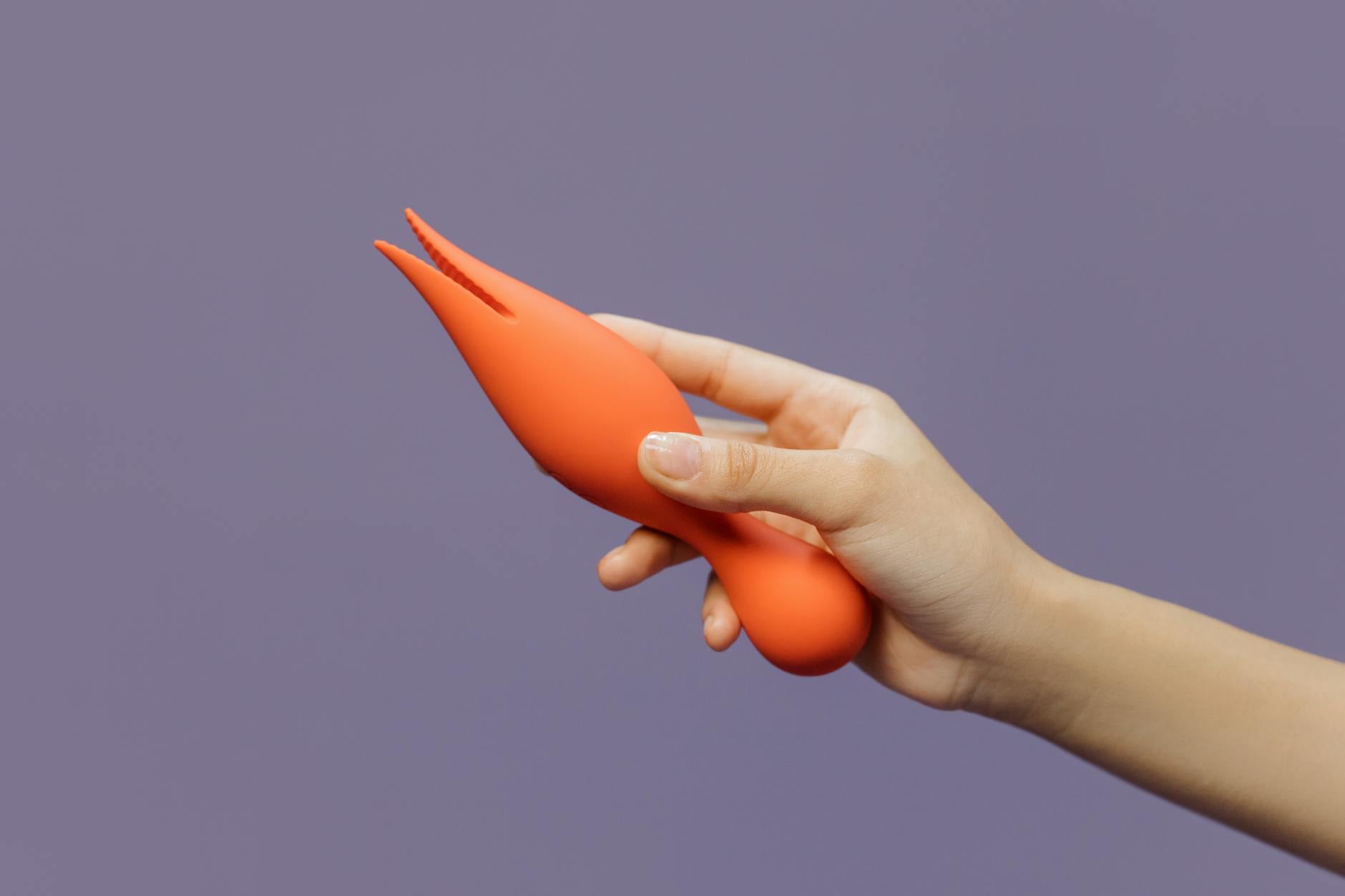
Photo by cottonbro studio on Pexels
When numbness is a symptom of something else
Here's the reality I have to be direct about: sometimes numbness is the canary in the coal mine. If sensation dropped suddenly, or if it's paired with pain, incontinence, or other neurological symptoms, you need to see a doctor before starting any retraining protocol.
Conditions that cause genital numbness and require medical evaluation include:
- Pudendal nerve entrapment. The nerve gets compressed, usually by muscle or ligament. This needs physical therapy or sometimes surgery.
- Diabetes. High blood sugar damages small nerve fibers. You need glucose control alongside sensation retraining.
- Spinal cord or nerve root compression. This is more serious and needs imaging and specialist evaluation.
- Multiple sclerosis or other autoimmune conditions. These affect nerve function systemically.
If your numbness came on gradually with no clear cause, or if you have other neurological symptoms, get imaging and a nerve conduction test. Once you have a diagnosis, then retraining tools like a lemon vibrator become part of a fuller plan.
The emotional part nobody talks about
Sensation loss is a grief. You've lost something that felt essential to who you are as a sexual being. The pleasure was there, and now it's not. Some people find that working with sensation retraining brings up emotions they weren't expecting.
When sensation starts returning, some people cry. It's not sadness. It's relief. The nervous system knows it's been missing something.
If you're struggling emotionally with numbness, that's worth addressing alongside the physical retraining. A therapist who specializes in sexuality and somatic work can help. Sensation isn't just physical. It's tied to your sense of safety, embodiment, and pleasure identity.
The timeline you can expect
This varies wildly depending on the cause of numbness. Numbness from antidepressants often improves in 4-8 weeks with consistent vibration use. Numbness from nerve damage can take 12-24 weeks. Some people experience partial recovery. Some experience full recovery. Some find their sensation baseline is permanently different but functional and pleasurable.
What I tell my clients: assume you're a 12-week project. If sensation shifts before that, great. If it takes longer, you haven't failed. Nerves heal slowly. Be patient with your body.
Meanwhile, you're not waiting passively. You're actively retraining. That matters psychologically. You're taking action. You're not just accepting numbness as permanent.
People also ask
Can a lemon vibrator restore full sensation if nerve damage is permanent?
Depends on the type of nerve damage. If the nerve itself is severed or severely scarred, full restoration isn't possible. But even with permanent damage, vibration can activate remaining nerve fibers and train the brain to amplify signals from the intact nerves. Most people regain some functional sensation even if it's not 100% of the original.
How long until I feel a difference with a lemon clitoral vibrator?
Some people notice something in week 2. Most notice a clear shift by week 4. By week 8, if sensation hasn't improved at all, it's time to see a specialist. The protocol works, but it works best when the nervous system is capable of responding. Lack of progress suggests a structural issue that needs medical attention.
Is it normal for numbness to come back after I stop using the vibrator?
Not if the underlying cause is fixed. If you rebuilt sensation because your antidepressant was adjusted or you recovered from surgery, the sensation usually stays. But if the original cause (like ongoing nerve compression or unmanaged diabetes) is still present, yes, sensation can fade again. The vibrator is retraining, not permanently rewiring. The underlying condition matters.
Should I use lubricant with a lemon vibrator if I have genital numbness?
Yes. Numb tissue is often more fragile and deserves extra care. Water-based lubricant reduces friction and makes the sensation easier to perceive because there's less pain or irritation competing for your brain's attention. This is covered in more detail in our guide on using a lemon vibrator with lubricant for maximum comfort.
Can numbness from childbirth be reversed with a lemon vibrator?
Often, yes. Childbirth trauma and tearing can damage the pudendal nerve or surrounding tissue. With consistent vibration therapy, many people regain sensation within 8-12 weeks. The key is waiting until you're fully healed (usually 6-8 weeks postpartum minimum) before starting retraining, and checking with your doctor first.
What if numbness is only on one side of the clitoris?
One-sided numbness often indicates localized nerve damage or scar tissue from injury or surgery. A lemon vibrator can still help, but you might need to adjust positioning to focus on the responsive side first, then gradually bring attention to the numb side. Physical therapy for pelvic floor dysfunction can complement vibration retraining and often addresses localized nerve issues more directly.
The bottom line
Numbness doesn't have to be permanent. Your nervous system is capable of retraining. A lemon vibrator isn't a workaround. It's a tool for rebuilding the neural pathways that make pleasure possible. The process takes patience and consistency, but the evidence is clear: repeated, graduated vibration stimulation rewires sensory perception.
Start where you are. Be consistent. Pay attention. If you're not seeing shifts after 4 weeks, see a specialist. If you are, keep going. Sensation often returns not all at once, but in waves. By week 12, most people have a clearer sense of what their new baseline is and what's possible from here.
Your pleasure matters. Your sensation matters. You deserve to feel your body again. That's worth the effort.
Have questions about sensation loss or how vibration retraining works? Reach out. We're here to talk through this without shame or oversimplification.