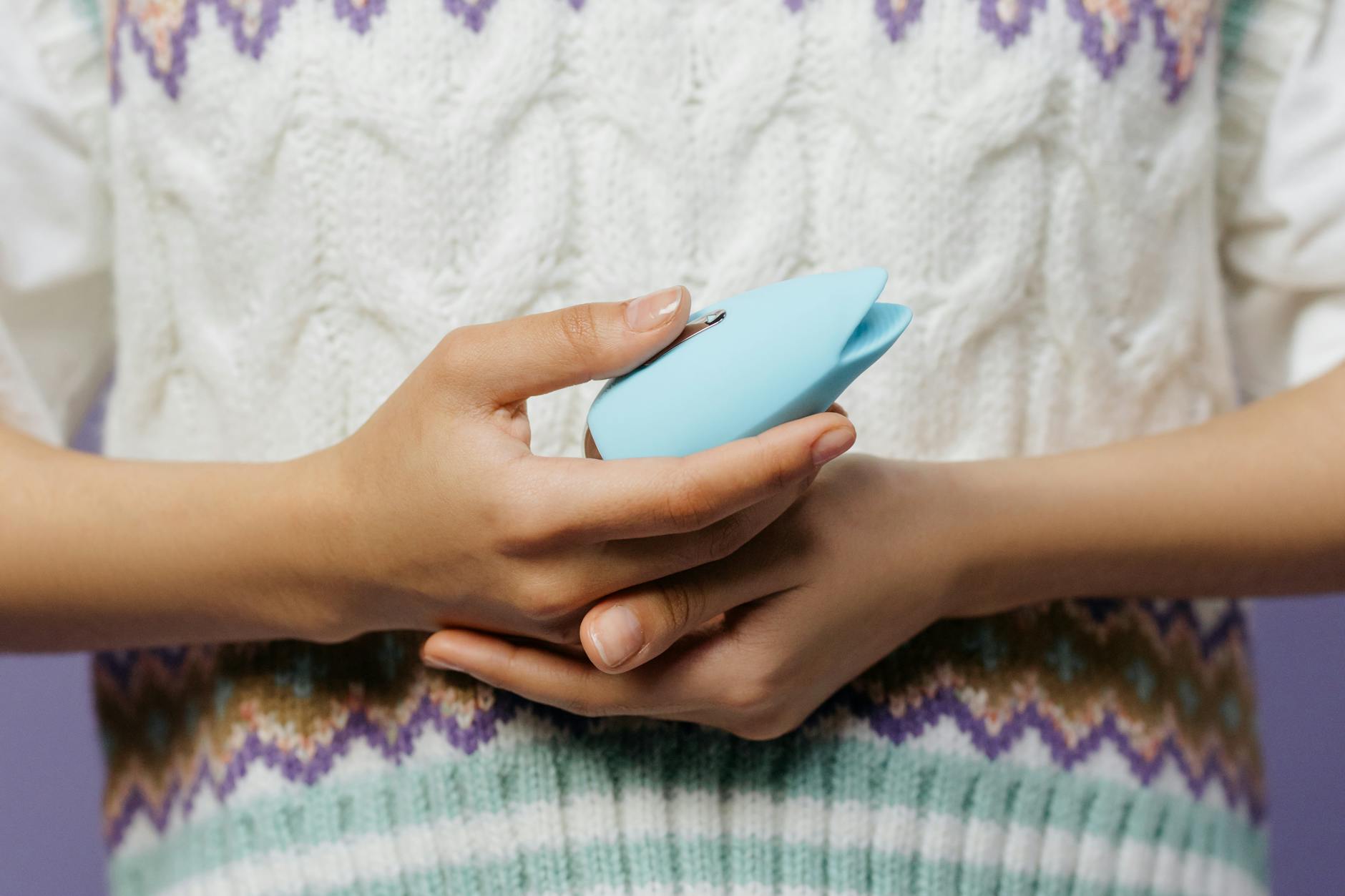
Let's be real about antidepressants and sex
Your antidepressant probably told you in the fine print that sexual side effects were possible. Most people skim that part. Then one day you realize you're not actually in the mood anymore, or arousal feels distant, or orgasms are harder to reach. You're not broken. Your medication is doing its job, and it's doing it a little too well in one specific direction.
Here's what's actually happening, and why a lemon clitoral vibrator might be your next strategic move.
How SSRIs and other antidepressants affect arousal
Most modern antidepressants work by increasing serotonin availability in your brain. That's the whole point. Serotonin helps regulate mood, and it also regulates sexual response. The same neurochemical that lifts depression can, paradoxically, lower desire and dampen sensation.
Specifically: SSRIs (like sertraline, paroxetine, fluoxetine) increase serotonin reuptake inhibition. That means serotonin stays in the synaptic space longer. More serotonin, overall, sounds good. But here's the friction. Serotonin actually suppresses dopamine and norepinephrine in certain brain regions. Those are the chemicals that drive desire and physical arousal. The net effect for 40-60% of people taking SSRIs is reduced libido, difficulty reaching orgasm, or muted sensation during sex.
Other classes of antidepressants create different patterns. SNRIs (serotonin-norepinephrine reuptake inhibitors like venlafaxine) usually cause fewer sexual side effects because they preserve some norepinephrine signaling. Tricyclic antidepressants and bupropion actually improve sexual function for many people because they don't suppress dopamine the same way.
The point: if you're on an SSRI and your libido disappeared, that's not a character flaw. It's chemistry.
Why lemon sexual toys work better than willpower alone
When arousal is chemically suppressed, you can't think your way back to it. Willpower doesn't fix this. Neither does a new partner or a romantic dinner. Your nervous system needs external stimulus to overcome the serotonin-induced dampening.
This is where lemon vibrators become genuinely useful. Here's why.
Lemon clitoral vibrators use air-suction or pulsation patterns that stimulate the clitoris with intensity that natural touch can't replicate. When your brain's arousal circuits are sluggish from antidepressants, that intensity is exactly what cuts through the fog. It's not about having more sensation. It's about having enough stimulus to activate the arousal pathways that medication has dimmed.
The clitoris has around 8,000 nerve endings, but many of those are deeper under the skin than external touch can reach efficiently. A lemon adult toy that uses suction or rhythmic patterns can engage those deeper nerve clusters in ways fingers or a partner's touch struggle to do when your nervous system is suppressed.
The pattern reset effect
One thing I've observed with clients is that once arousal starts, it often builds faster than they expected. The initial activation takes external stimulus, but momentum picks up. Using a lemon clitoral vibrator solo several times a week can actually train your nervous system back toward baseline responsiveness.
You're not fighting the medication. You're bypassing the arousal deficit by providing the stimulus that your chemically altered system needs to engage. Over time, this can expand the range of stimuli that activate you, not just the vibrator itself.
For some people, this means their partner-based sexual response also improves. Not because the medication changed, but because they've reset their arousal baseline through consistent external stimulus. The lemon vibrator becomes a tool for nervous system recalibration, not a permanent crutch.
What to actually try
If you're taking an SSRI and your libido is flattened, three things help.
First, talk to your prescriber. Not because you should immediately stop your medication. If it's helping your mental health, that usually wins. But there are real options. Your doctor might suggest timing adjustments (taking the SSRI right after sex instead of before), switching to a different class of antidepressant, or adding an agent like bupropion or buspirone to counteract the sexual side effects. These conversations happen. Doctors know this is common.
Second, invest in a lemon vibrator. Seriously. The difference between a mediocre vibrator and a well-designed one matters when you're working against chemical suppression. The Lem, for example, uses air-suction technology that creates a completely different sensation than traditional vibration. That variety of stimulus is helpful when your nervous system is muted.
Third, give it time and consistency. You're not looking for instant arousal. You're looking for nervous system recalibration. Using a lemon sexual toy 3-4 times a week, solo, for at least 2-3 weeks before expecting breakthroughs makes a difference. You're training your arousal pathways, not just seeking pleasure.
When to reconsider your medication timing
Some people find that taking their SSRI at night instead of the morning helps. If you're having sex in the morning, the medication concentration might be slightly lower. This only works if you and your doctor agree it's safe for your mental health. Don't adjust timing on your own.
For others, taking the medication right after sex instead of right before creates a window where arousal is slightly easier. Again, this requires your prescriber's approval. But it's a real strategy that people use.
The solo exploration piece
Honestly, using a lemon clitoral vibrator by yourself offers something that partner sex can't right now: zero performance pressure. You're not managing anyone else's experience. You're not monitoring arousal levels or worrying about what your body is or isn't doing. That mental space alone often helps the nervous system relax enough to respond.
When antidepressants flatten your libido, the secondary effect is often anxiety about that flatness. "Why am I not aroused?" becomes its own arousal killer. Solo exploration with a lemon vibrator lets you short-circuit that loop by producing sensation and pleasure outside that anxious narrative.
The longer-term relationship angle
If you're in a partnership, your partner should understand that this isn't about them. It's also not about you not being attracted to them. It's about a chemical reality you're managing. Using a lemon adult toy isn't replacing intimacy with your partner. It's a tool for maintaining your own sexual baseline while medication is doing something else that matters more right now.
Many couples find that solo exploration actually improves partnered sex because the pressure lifts. You're not counting on your partner to trigger arousal. You've proven to yourself that arousal is still accessible. Then partnered sex becomes something you both want, not something you're both trying to make work.
Real expectations
A lemon vibrator won't completely undo medication-induced sexual side effects. If your SSRI has reduced your libido by 80%, a vibrator might restore 60% of your baseline pleasure capacity. That's not magic. That's just enough.
For some people, medication adjustment makes the difference. For others, the vibrator becomes a permanent part of their sexual toolkit. Both outcomes are fine. The goal isn't to get back to pre-medication sexuality. It's to have access to pleasure and intimate connection right now, while managing your mental health.
You deserve both.
FAQ: Antidepressants, pleasure, and lemon vibrators
Can switching antidepressants really fix sexual side effects?
Yes, often. SSRIs create the most common sexual side effects. SNRIs and bupropion tend to cause fewer. Some people switch medications and see immediate improvements in libido and orgasm capacity. Others don't. Your genetics, your body chemistry, and the specific dose all matter. It's worth asking your prescriber about, but it's not guaranteed.
How long does it take for a lemon vibrator to help reset arousal?
Most people see a shift in 2-3 weeks of regular use (3-4 times weekly). That doesn't mean instant orgasms or wildly increased desire. It means arousal becomes slightly more accessible, and sensation becomes less muted. Full nervous system recalibration can take 6-8 weeks.
Will using a vibrator make partner sex feel less satisfying?
Not typically. If anything, it often improves partner sex because you're not projecting all your arousal hopes onto that encounter. You've already proven to yourself that pleasure is possible. That removes performance pressure for both of you.
Is it normal to need a vibrator when you're on antidepressants?
Completely. Medication-induced sexual side effects are one of the most common reasons people use vibrators. You're not broken. You're managing a real physiological side effect.
What if I try a lemon vibrator and it doesn't help?
Then the issue might be deeper than arousal deficit. It could be depression-related anhedonia (inability to feel pleasure) that isn't fully managed by your dose, or it could be another medication you're taking, or relationship dynamics. That's a conversation for your doctor or a therapist. A vibrator is one tool, not the only intervention.
Can I use a lemon clitoral vibrator even if I don't normally like vibrators?
Yes. Air-suction lemon vibrators feel completely different from traditional vibration. The sensation is often gentler and more targeted. If you've disliked vibrators in the past, you might be surprised by how different this feels. Worth trying.
Moving forward
Antidepressants save lives. The sexual side effects are real, but they're not a reason to stop taking a medication that's helping your mental health. They're a reason to get creative, strategic, and honest about what you need to maintain pleasure and connection while you're on it.
Talk to your doctor. Explore your options. If a lemon clitoral vibrator fits into your strategy, that's a solid move. Your medication doesn't have to come at the cost of your sexual self.
For more on navigating desire and intimacy challenges, read about why lemon vibrators feel different when you're taking antidepressants or explore how lemon vibrators improve pleasure when dealing with anxiety or stress. Both dive deeper into the nervous system connection.