Why Lemon Vibrators Feel Different When You're Taking Antidepressants
Let's be real. You started an SSRI or another antidepressant to feel better, and somewhere around week three, you noticed your body felt less responsive. Your arousal dampens. Orgasms take longer or don't show up at all. And when you reached for your lemon vibrator, something felt... different. Blunter. Harder to access.
That's not in your head. It's in your serotonin.
Antidepressants are among the most effective psychiatric medications available, but the sexual side effects are real, common, and almost nobody talks about them plainly. Your doctor probably mentioned it in a whisper. You've felt isolated about it because orgasm discussions don't fit neatly into casual conversation. And you might've wondered whether lemon vibrators or any adult toys would help, or if your brain chemistry had simply closed the door on that part of your life.
Here's what's actually happening, and why your pleasure isn't lost. It's just reshuffled.
How SSRIs and other antidepressants change your sexual response
Serotonin does a lot of things. One of them is regulate arousal and orgasm. SSRIs, SNRIs, and tricyclic antidepressants all increase serotonin availability in your brain. This is why they work for depression and anxiety. The problem is they do this everywhere in your nervous system, not just in the mood centers.
Here's the chain reaction that happens.
When you're aroused, your body triggers a cascade of neurotransmitters. Dopamine fires up. Norepinephrine kicks in. And serotonin does a specific job: it regulates the intensity and timing of orgasm. When antidepressants flood your system with extra serotonin, that regulation gets stronger. Your orgasm threshold goes up. Your arousal takes longer to build. And the sensations that used to feel electric now feel muted.
It's like someone turned down the volume knob on pleasure. Your lemon clitoral vibrator can still reach the speakers. It's just working against a lower baseline of sensation.
Why this happens more with some medications than others
Not all antidepressants affect sexuality equally. SSRIs like sertraline, paroxetine, and fluoxetine have the highest rates of sexual side effects. Somewhere between 40-60% of people on SSRIs report some degree of sexual dysfunction. SNRIs like venlafaxine fall somewhere in the middle. Buproprion, by contrast, actually tends to improve sexual function in many people because it works on dopamine and norepinephrine instead of serotonin.
Dose matters too. A lower dose of sertraline might barely touch your arousal. A higher dose can make orgasm feel nearly impossible.
Timing is also a factor. Some people find that their body adjusts after a few months on the same medication. Others don't. And for some, the effect stays constant for years. Your partner on the same medication might have zero sexual side effects while you're sitting here wondering if you'll ever feel turned on again. The nervous system is not democratic.
What doesn't change, even when you're medicated
Here's the part that matters most: your capacity for pleasure is still there. It's not gone. It's suppressed, not erased.
Your clitoris still has the same nerve density. Your brain can still register arousal signals. Lemon vibrators and other adult toys still work because they bypass some of the arousal architecture that antidepressants are messing with. A good clitoral vibrator applies direct, consistent stimulation to nerves that are still responsive. It's mechanical, not chemical. Medication can't dull the physical sensation of a lemon sucker or other lemon vibrator the way it dulls your internal sense of desire.
Many people find that with a strong tool like a lemon clitoral vibrator, they can reach orgasm even when their baseline arousal is flattened. It takes longer. It might feel different. But it happens.
The physical strategies that actually help
I recommend four shifts to my clients on antidepressants who want to reclaim their sexual life.
1. Extend your warm-up time dramatically. If you used to be ready for penetration or solo pleasure in five minutes, plan for 20-30 now. Use your lemon vibrator as a warm-up tool, not a finish line. Start at a lower pattern and spend 10-15 minutes building sensation before you go for intensity.
2. Stack external stimulation. Your lemon clitoral vibrator is one tool. Combine it with penetration, with your hands, with your partner's touch. When one channel of pleasure is blunted, multiple channels firing together can break through the noise.
3. Adjust lubrication strategy. Arousal-based lubrication might be reduced on antidepressants. This is another serotonin effect. Use a high-quality water-based or silicone lubricant from the start. Don't wait to see if your body produces enough on its own. Friction matters when sensation is already muted.
4. Experiment with vibration patterns. The Lem vibrator and other lemon sexual toys have multiple patterns. Most people instinctively reach for the highest intensity setting. On antidepressants, try starting with pattern 2 or 3 and building up. Sometimes the ramp-up matters more than the peak.
When it's worth talking to your doctor
If sexual function is important to your quality of life and your current medication is making it impossible, you have options. None of them are quick fixes, but they exist.
First, timing. Some medications have sexual side effects that fade after the first few weeks. If you've been on your current dose for less than two months, wait a bit longer before making changes.
Second, dosage adjustment. Sometimes lowering your dose slightly can reduce sexual side effects while keeping your mood stable. This is a conversation worth having with your prescriber. Don't just reduce your dose on your own.
Third, medication switch. Buproprion, for example, has fewer sexual side effects than most SSRIs. So do some SNRIs. A different medication in the same class might leave your pleasure intact while still managing your depression.
Fourth, augmentation. Sometimes adding a second medication to offset the sexual side effects of your primary antidepressant makes sense. Sildenafil (Viagra), for example, can help restore erectile function and sometimes improves orgasm speed in all bodies. Buspirone is another option. These conversations feel awkward, but they're common and your doctor has had them a hundred times.
The emotional piece nobody talks about
Honestly though, there's a grief that comes with this. You made a choice to medicate your mental health, which was the right choice. And that choice cost you something that mattered. Your sexuality feels less accessible. You might feel less attractive to your partner. You might feel less attractive to yourself.
That's worth acknowledging. It's not a medical problem to solve. It's a loss to grieve. Your lemon vibrator is a tool, not a cure for the frustration of having to choose between your brain chemistry and your pleasure.
If you have a partner, this is worth discussing outside the bedroom. Not as a complaint or a failure, but as a logistical conversation. "My medication affects my arousal. This is what it looks like. Here's what I need from you to feel connected." Your partner might surprise you with how practical and supportive they can be when you name it directly.
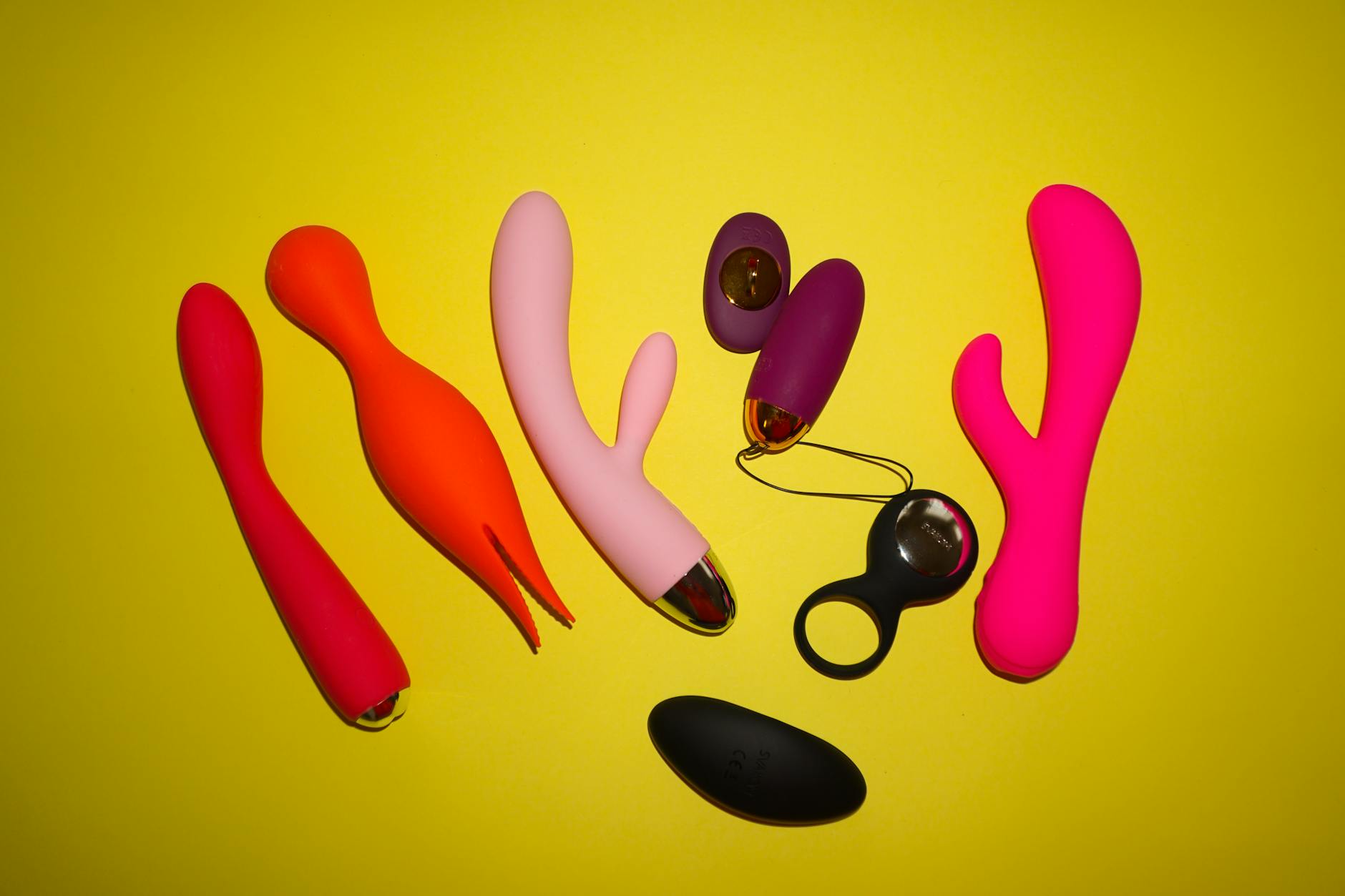
Photo by FounderTips on Pexels
Does a lemon clitoral vibrator actually help when you're medicated?
Yes, with the right approach. Clitoral vibrators work by applying localized, consistent stimulation that your nervous system still responds to, regardless of your serotonin levels. A lemon sucker or other lemon vibrator can sometimes bridge the gap between "I don't feel aroused" and "I can reach orgasm."
The key is patience and experimentation. It might take longer than it used to. You might need to use your vibrator for 20 minutes instead of five. You might need to combine it with other forms of touch or penetration. But most people on antidepressants find that clitoral vibrators remain useful even when their baseline arousal is suppressed.
Some people find that the physical sensation of a vibrator is one of the few ways they can consistently reach orgasm while medicated. If that's you, your lemon clitoral vibrator isn't a workaround. It's a legitimate part of your sexual life now.
FAQ: Your questions about antidepressants and sexual pleasure
Will my sexual function come back if I stop taking my antidepressant?
Maybe. Some people find that their libido and orgasm function return within days of stopping their medication. Others notice gradual improvement over weeks. But here's the thing: you're probably taking your antidepressant because you need it. Going off medication to fix sexual side effects often swaps one problem (blunted pleasure) for a much bigger one (depression or anxiety returning). If sexual function is suffering significantly, talk to your prescriber about adjusting dose or switching medications rather than stopping entirely.
Can I use a lemon vibrator if I'm on multiple psychiatric medications?
Yes. The same principles apply. Multiple medications might compound the sexual side effects, which means you might need even more patience and a more intentional approach. Some combinations are worse than others. Your psychiatrist can help you understand whether the medications you're on typically interact with sexual function.
How long does it take to adjust to the sexual side effects?
Some people's bodies adapt within four to eight weeks. Others notice improvement over months. And honestly, some people never fully adapt and need to make changes to their medication. There's no universal timeline. If you've been on your current dose for six months and sexual function is still severely blunted, it's worth revisiting the conversation with your doctor.
Can a partner help mitigate these side effects?
Absolutely. More touch, more time, more variety in how you approach intimacy. A partner who understands what's happening and adapts without resentment can make a huge difference. This is also where a relationship-oriented therapist can help frame the conversation as a shared challenge rather than your individual problem.
Is it normal to feel broken or less attractive because of medication side effects?
Yes, and you're not. You're medicated. It's different. Your body is responding appropriately to a chemical intervention that's protecting your mental health. That doesn't make you less attractive or less capable of pleasure. It makes you someone managing a chronic condition, which is just reality for a lot of people.
Will switching to a different lemon vibrator help if one isn't working?
Maybe. Some people find that a lemon clitoral vibrator with specific patterns or intensities works better than others. The suction-style lemon vibrators sometimes work better for people with diminished sensation because they create a different type of stimulation than traditional vibration. If you're not having success with one tool, trying a different design might help. But medication effects are the bigger variable here, not the toy.
If you're struggling with sexual side effects from antidepressants, know that you're not alone and that you have agency here. Your medication is keeping you stable. Your pleasure still matters. And there are ways forward that don't require choosing between your mental health and your sexuality. Whether that's a conversation with your prescriber, a new tool like a lemon clitoral vibrator, or both, you deserve support in figuring out what works.
For more on how different medications and life circumstances affect pleasure, check out our guide on how to use a lemon vibrator if you have low libido or desire issues and why lemon vibrators help during menopause tissue changes. Both dig into the physiological pieces that might feel relevant to your situation.
If you have questions about your specific medication or whether it might be affecting your pleasure, reach out. We're here to help you think through what might be at play.