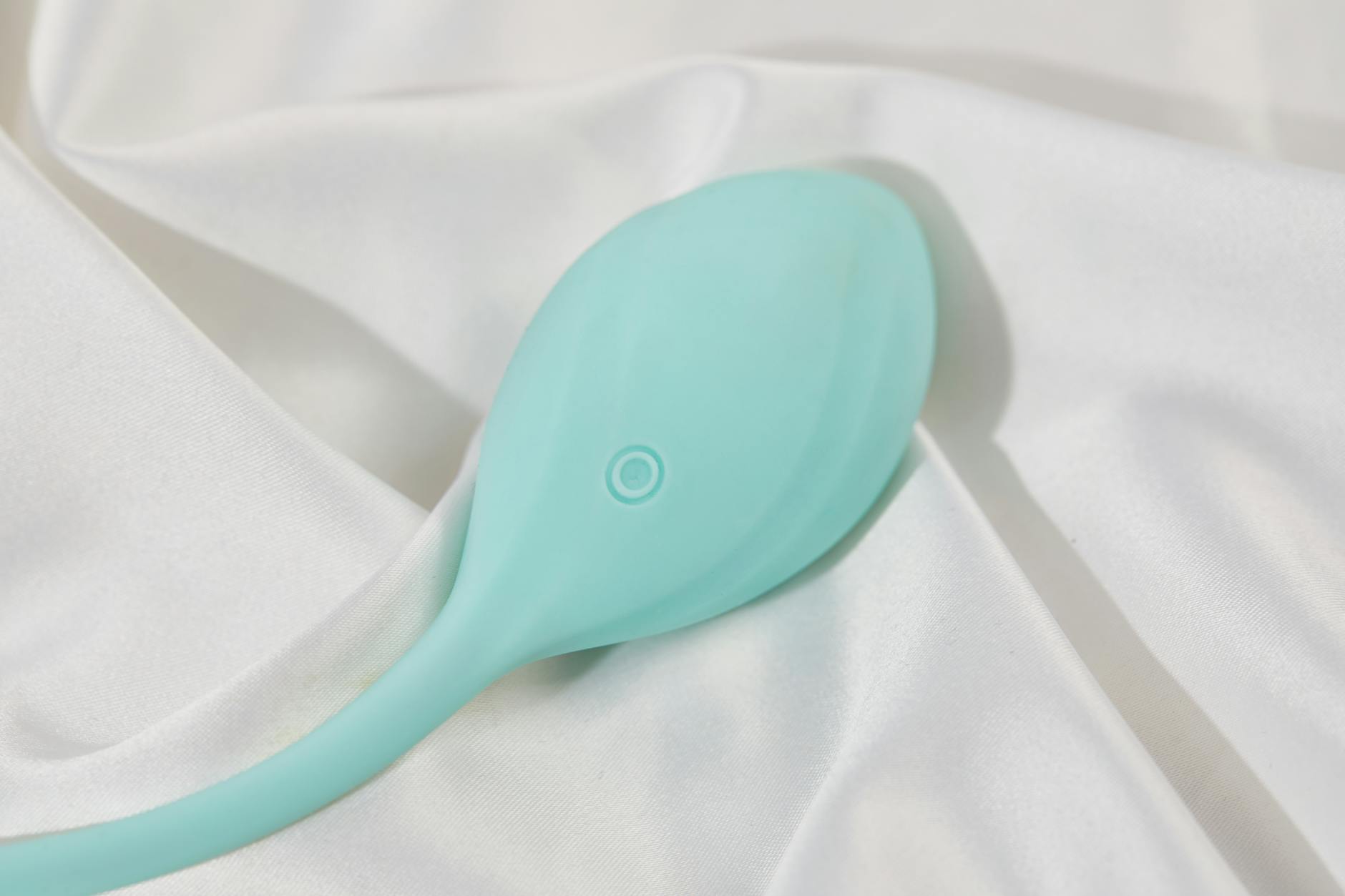
Why Lemon Vibrators Feel Uncomfortable for Sensitive Partners
Let's be real. You bought a lemon clitoral vibrator because you read it was the best thing on the market. You turned it on. And immediately thought: "This is way too much."
You're not broken. Your sensitivity isn't a problem to fix. The issue is that suction-based stimulation, which is incredible for some people, feels like overkill for others. It's the difference between a whisper and a shout. Both are real sensations. Not everyone wants to be shouted at.
Here's what's happening in your body, why lemon vibrators trigger that overwhelming feeling, and most importantly, how to actually use one without discomfort.
How suction-based stimulation actually works
A lemon vibrator, or lem vibrator, doesn't vibrate in the traditional sense. It uses gentle suction combined with micro-vibrations to stimulate the clitoris and surrounding tissue. The suction creates a seal that concentrates sensation in a very small area.
For people who respond well to this, it's game-changing. The concentrated, building sensation often leads to intense orgasms. But for sensitive partners, that same concentration feels invasive. Your nervous system reads the sustained suction as too much input, too fast, with nowhere to escape.
This is a nervous system response, not a preference problem. Your body isn't being dramatic.
Why sensitive people struggle with suction toys
Sensitivity isn't one thing. It usually shows up as a combination of factors:
Nerve density variations. Some people are born with more densely packed nerve endings in their clitoris. More nerve endings mean more sensation per unit of stimulation. A lemon sucker feels exponentially more intense for you than for someone with average density.
Pelvic floor tension. If your pelvic floor muscles stay partially contracted (which happens with anxiety, past pain, or just your baseline), the suction amplifies the sensation further. Tension + suction = overstimulation fast.
Thin or reactive tissue. People with naturally thinner clitoral skin, or those recovering from hormonal changes, often find direct suction uncomfortable. The seal that creates amazing pleasure for others literally hurts.
Sensory processing sensitivity. Some people are wired to notice and react to subtle stimulation more intensely. This often runs in families and overlaps with introversion and emotional depth. It's not fragility. It's how your nervous system is built.
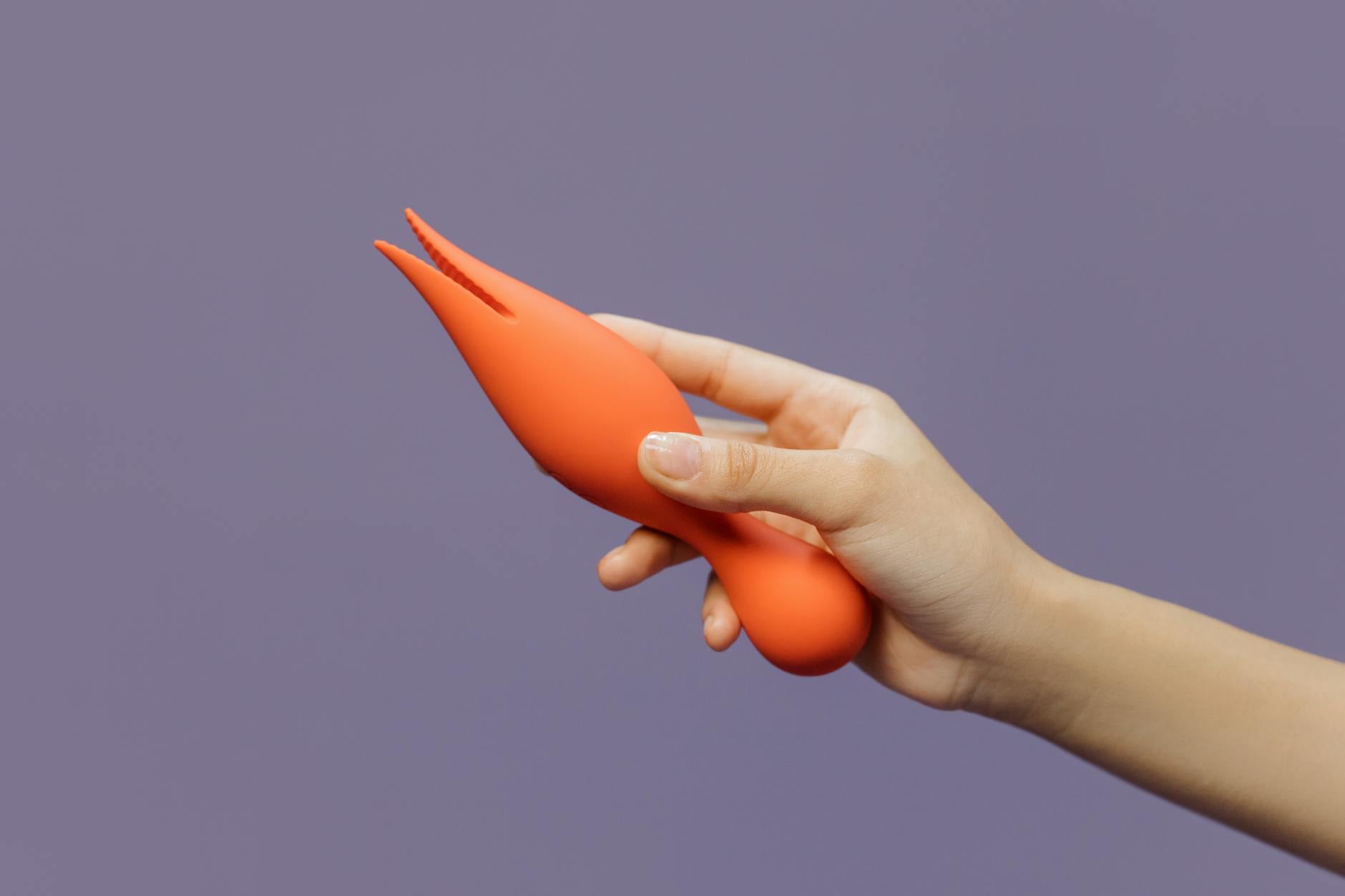
Photo by cottonbro studio on Pexels
The intensity ramp problem
A lemon vibrator has 10 intensity levels. Most people assume level 1 is gentle and level 10 is intense. In reality, even level 1 on a quality lemon clitoral vibrator creates substantial suction. The gap between "barely on" and "manageable" can feel steep.
This is different from a traditional vibrator, where you can adjust both speed and strength gradually. A suction toy's intensity curve is less flexible. It's either making a seal or it's not. And once it's sealed, the sensation compounds quickly.
Sensitive people often report that by the time they've found a tolerable level on a lem vibrator, they're already past their window of pleasure and into tension.
Starting over. The right way for sensitive partners.
If you're sensitive and own a lemon vibrator, you haven't failed. You just need a different approach:
Use it over external layers first. Try the lem vibrator through underwear or a thin cloth. This diffuses the suction slightly. Yes, it changes the sensation. That's the point. You're building tolerance gently, not chasing the advertised intensity.
Apply water-based lubricant generously. A good slick layer reduces friction and actually softens the suction sensation. More lube doesn't mean more sensitivity. It means more comfort. Use what feels right, and add more than you think you need.
Keep sessions short initially. Fifteen minutes max. Sensitivity often stems from your nervous system ramping up. Short sessions let you stay in the pleasurable zone without crossing into overstimulation. Longer sessions come later, once your body learns the toy isn't a threat.
Explore it alone first. Partner pressure, even unspoken expectation, makes everything feel more intense. Give yourself permission to learn this tool without anyone watching or waiting. Solo practice removes performance anxiety and lets you actually feel what's working.
Why the lowest setting still feels intense
The design of a quality lemon sucker means even the gentlest level creates meaningful sensation. That's actually by design. Lem vibrators are engineered for people who want powerful, efficient stimulation.
If every setting on your lemon vibrator feels too strong, consider whether the tool is actually right for you. Not everything works for everyone, and that's fine. Some sensitive people have better results with:
Traditional vibrators with variable speed control, where you can dial in extreme gentleness. Air-pulse toys with adjustable intensity curves. External wand vibrators used at distance. Your hand with lube, where you control intensity completely.
The goal isn't to force yourself to like something designed for someone else's body. The goal is finding what actually works for you.
When to use a lemon vibrator if you're sensitive
Some sensitive people have found success, but they've changed when and how they use it:
After arousal builds naturally. Don't start with the toy. Spend time warming up first. When your nervous system is already in pleasure mode, the lem vibrator's intensity feels less jarring. It reads as depth instead of invasion.
With a partner who goes slowly. If someone else is holding the toy, ask them to start at a distance, then slowly move it closer. Let your body adjust gradually. The partner becomes a buffer, controlling the pace of introduction.
During specific parts of your cycle. Some sensitive people notice they tolerate lemon vibrators better during certain cycle phases (if you menstruate) or after specific hormonal events. Track what changes. Your response isn't random.
When your nervous system is calm. Stress, lack of sleep, caffeine, anxiety all increase sensory sensitivity. If you're wired or worried, the lem vibrator will feel significantly more intense. Save it for when you're actually relaxed.
What sensitive partners wish brands knew
The sex toy industry sells intensity as universal. Bigger sensation equals better sex. That's not true, and it leaves sensitive people feeling like failures.
If you're sensitive, you're not less responsive. You're more responsive. Your nervous system gets the full signal faster. That's not a limitation. It's information. And once you respect it instead of fighting it, pleasure often shows up more reliably.
Frequently Asked Questions
Does a lemon vibrator ever get less intense the more you use it?
No. Your body doesn't habituate to suction the way it does to vibration. The sensation remains consistently strong. However, your relationship with it can change. As your nervous system learns that suction isn't dangerous, it may feel less shocking. That's different from getting weaker, but it does sometimes shift from "too much" to "manageable."
Can you make a lem vibrator less intense?
Not really, beyond using it through fabric or adding lubricant. The device itself doesn't have a way to reduce suction force without disabling it entirely. If the lowest setting is still overwhelming, it's a design mismatch, not a technique problem.
Is sensitivity a sign something is wrong with my body?
Absolutely not. Sensitivity is a trait, like having fair skin or excellent hearing. Some of the most responsive, orgasmic people I work with are highly sensitive. The trait that makes toys feel intense also makes other good things feel amazing. You're not broken. You're just not the target user for suction-based lemon clitoral vibrators.
Should I push through the discomfort with a lemon vibrator?
No. Pushing through discomfort teaches your body that pleasure involves pain. That's the opposite of what you want. If a tool doesn't work after genuine, gentle exploration, move on. Pleasure should never feel like homework.
Do partners think I'm broken if I don't like lemon vibrators?
Good partners don't. A partner who pressures you to like a specific toy, or makes you feel less-than for not responding to it, is showing you information about them, not about your body. Your sensitivity is a real thing. Their job is to work with it, not against it.
What's the difference between a lemon sucker and a regular vibrator for sensitive people?
Traditional vibrators stimulate through movement. Suction toys stimulate through sustained, concentrated pressure. For sensitive people, the sustained pressure often feels like overstimulation, while variable movement can feel more manageable. The type matters.
What actually works for sensitive partners
If you're sensitive and you've ruled out lemon vibrators, here's what tends to work better.
Take a step back and think about sensation on a spectrum. You probably love some kinds of touch: maybe a partner's hand, or a specific kind of pressure, or warmth. Build from there. A good vibrator for sensitive people works with your natural response instead of overriding it.
You deserve tools that feel good to you, not that you have to grow into or tolerate. Your pleasure is the whole point. If a lemon vibrator doesn't deliver that, it's not the right fit.
Ready to explore what does work? Let's talk about it. Reach out, and we can figure out the best path forward for your specific body and needs.