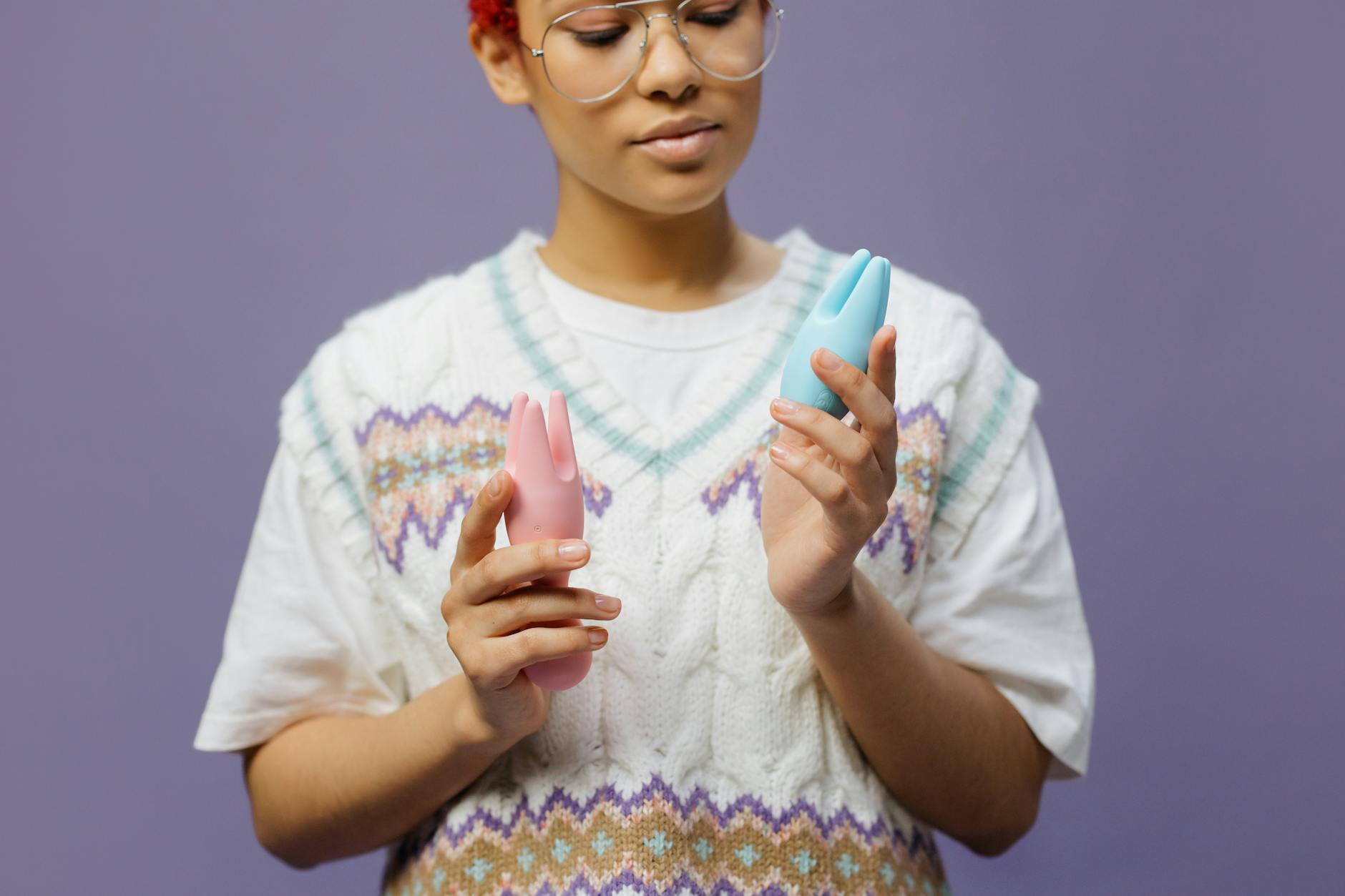
Why Lemon Vibrators Feel Different When Grieving or Processing Loss
Let's be real. Nobody talks about what happens to your sex drive when you're grieving. The conversations that do happen usually go one of two ways: "Just give it time" or "You should be fine by now." Both are useless.
Here's what actually happens when loss arrives. Your body goes into a kind of shock. Not the dramatic kind. The quiet kind. The kind where touching yourself feels weird, distant, or even guilty. And if you have a partner, the disconnection can feel like a betrayal on top of everything else.
I'm Evelyn, and I've spent decades working with couples and individuals through major grief. One thing I've learned: pleasure doesn't disappear during grief. It transforms. And understanding that transformation is the key to finding your way back.
How grief actually changes your nervous system
When you're processing loss, your body enters a state called hyper-vigilance. Your nervous system is scanning for threat. It doesn't matter if the threat is psychological or physical. Your brain doesn't distinguish. It just knows something is wrong.
In this state, the neural pathways that usually light up during arousal get hijacked. Your attention narrows. Your body feels less responsive. Touch that used to feel soothing now feels jarring. Your clitoral tissue might feel numb or hypersensitive depending on the day. Some people describe it as feeling like they're observing their own body from a distance.
This isn't dysfunction. It's your nervous system doing exactly what it's designed to do. It's protecting you.
The thing about clitoral vibrators like the Lem is they can actually help recalibrate this state. The suction mechanism works differently than standard vibration. It stimulates without demanding. You don't have to perform. You don't have to feel a certain way. You're just reconnecting with sensation, which is sometimes the entire goal during grief.
Why orgasms feel different (or don't happen at all)
Let me separate two things that people confuse. Desire and arousal aren't the same. You can have desire and no arousal. You can have arousal and no desire. During grief, desire often stays. It's arousal that gets tangled.
Orgasm requires your nervous system to shift into parasympathetic mode. That's the rest-and-digest state. The opposite of what grief does. So when you're grieving, reaching orgasm can feel impossible, or when it happens, it might feel muted. Less intense. Less like relief and more like going through the motions.
Some people report that orgasms during grief feel almost painful. Like the intensity is hitting nerves that are already raw. Others say they feel nothing at all. Still others find that their orgasms become their only moment of true presence in their body. All of these are normal.
This is where lemon sexual toys or other clitoral vibrators shift things. The air-suction mechanism creates a gentler buildup of sensation. You're not forcing arousal. You're coaxing it back. For some people, this permission to go slowly is what makes the difference.
The guilt piece (which is actually huge)
Here's something I see constantly in my practice. People grieving feel guilty about pleasure. Not just about wanting it. About the fact that their body still wants it at all.
If you're grieving a partner, there's often a layer of "how dare I feel pleasure when they're gone." If you're grieving a parent or a friend, there's "I shouldn't be thinking about this right now." If you're grieving a relationship ending, pleasure can feel like a betrayal of the love you still feel.
None of this is rational, but grief isn't rational. It's survival. And your nervous system will use guilt as a way to keep you tethered to the loss. It's a weird loyalty mechanism.
The only way through this is honest conversation with yourself. Not spiritual bypassing. Not "they'd want me to be happy." Just acknowledgment. "I'm grieving. My body still wants pleasure. Both things are true. Neither cancels the other out."
Using lemon adult toys solo during grief can actually be part of this reclamation. It's a way of saying, "My body is mine. My pleasure matters, even now." That's not disrespectful to your loss. That's healing.
When to pause and when to push through
There's a difference between "I don't want this right now" and "I'm avoiding this because of pain." Knowing which one you're in matters.
If pleasure feels completely repulsive, that's fine. Give it space. But if pleasure feels scary or guilt-laden, leaning into it gently sometimes helps. This is where a lem vibrator's design actually serves you. It's less invasive than fingers or partner touch. It's self-contained. It doesn't require emotional reciprocity.
You might use it for five minutes of gentle sensation with no goal of orgasm. You might use it as a way to re-inhabit your body. You might discover that your grief softens slightly when you're in your body instead of in your head.
If you have a partner and you're both grieving, solo exploration with a lemon clitoral vibrator can actually be a bridge back to partnered intimacy. It says, "I'm working on reconnecting with my body. I want to find my way back to us, but I need to do some of this work alone first." That's not rejection. That's honesty.
What partners need to know
If your partner is grieving and their sexual desire has shifted, here's what helps. Stop initiating for a while. Offer presence instead. Ask them what they need. Not "when will you want sex again." That's not actually a question. It's pressure dressed up as concern.
Instead, try: "I miss touching you. I also don't want you to feel obligated. What would feel good right now?" Sometimes the answer is nothing. Sometimes it's "I want to explore on my own for a bit." Sometimes it's "I want you to hold me while I use a vibrator." All of these are valid and they give your partner agency.
If they're using lemon vibrators or other toys, don't take it personally. They're not choosing the toy over you. They're choosing something that lets them ease back into their body without the complexity of partner dynamics piled on top.
Rebuilding pleasure after major loss
This isn't a linear process. You'll have days where sensation floods back and you feel almost like yourself. Then you'll have days where touching yourself feels wrong again. That's not regression. That's grief.
What helps is patience. Building back slowly. Maybe starting with just holding a vibrator without turning it on. Feeling the shape. Remembering what it does. Then turning it on at low settings for thirty seconds. Then longer. Then letting it build into something that feels good.
You might find that your body's preferences shift after loss. Things that used to feel incredible might feel mediocre now. New things might suddenly matter. This isn't permanent. It's just your nervous system recalibrating.
For some people, a tool like the Lem helps with this recalibration because it's specifically designed for clitoral pleasure without intensity. The suction creates sensation that's present but not demanding. Which is exactly what a grieving body sometimes needs.
When to get support
If you're past the acute grief phase and pleasure still feels completely inaccessible, that's worth talking to someone about. A therapist who specializes in grief or trauma. A somatic practitioner who works with the body. Your GP. Not because something is wrong with you, but because sometimes grief gets stuck in the nervous system in ways that need professional recalibration.
You might also find that grief is not the only thing affecting your pleasure. Grief can unmask other stuff. Unresolved relationship patterns. Old trauma. Your body using this moment to tell you something it's been trying to say for years.
That's not a side effect. That's information.
The other side of it
Here's something I wish someone had told me early in my career. Many people report that their pleasure becomes deeper after moving through significant loss. Not because the loss was good. But because they stop taking their body for granted. Because they've learned that survival means reconnecting with sensation in ways they didn't before.
Some people find that after grief, orgasms feel more integrated. More like their whole self is present instead of just their body performing. Some find that their desire becomes clearer because the noise of a broken relationship or unfinished business is finally gone.
Your nervous system has memory. It will remember this. And when you come through the other side of grief, your body will be different in ways you didn't expect. Hopefully, some of those ways will feel like expansion.
FAQ: Pleasure and Grief
Why does my clitoral vibrator feel numb or uncomfortable when I'm grieving?
Your nervous system goes into protection mode during grief. This can dull sensation or make touch feel jarring. This is temporary. Gentle, low-intensity tools like lemon clitoral vibrators can help you ease back in without pressure. Starting with shorter sessions and low settings helps your body recalibrate.
Is it normal to have no sex drive when processing loss?
Completely normal. Loss triggers a survival response. Your body is redirecting energy toward healing, not pleasure. This typically shifts over weeks to months as acute grief softens. If it persists beyond a year, check in with a therapist or GP.
Can I use a lemon vibrator if I'm grieving with my partner?
Yes. Solo use of a vibrator doesn't replace partner intimacy. It can actually bridge back to it by helping you reconnect with your body first. Some couples find that using toys together after grief helps them rebuild intimacy with less pressure.
Will my orgasms come back the same as before?
Maybe not the same, but they do come back. Some people report deeper, more integrated orgasms after grief. Your body recalibrates. Preferences might shift. That's not loss. That's evolution.
What if I feel guilty using a vibrator while grieving?
Guilt during grief is your nervous system's way of keeping you loyal to the loss. It's a protection mechanism, not truth. Separating the two takes time. A therapist can help you work through this faster.
How long does it take for pleasure to feel normal again?
It varies. Weeks to months for most people. Longer for major losses. The timeline matters less than the direction. If sensation is slowly returning, you're on track. If you feel completely stuck after six months, reach out for support.
Grief is not a barrier to your pleasure. It's a reshape of it. Your body will find its way back, especially when you approach that journey with honesty instead of force. That's where healing begins.