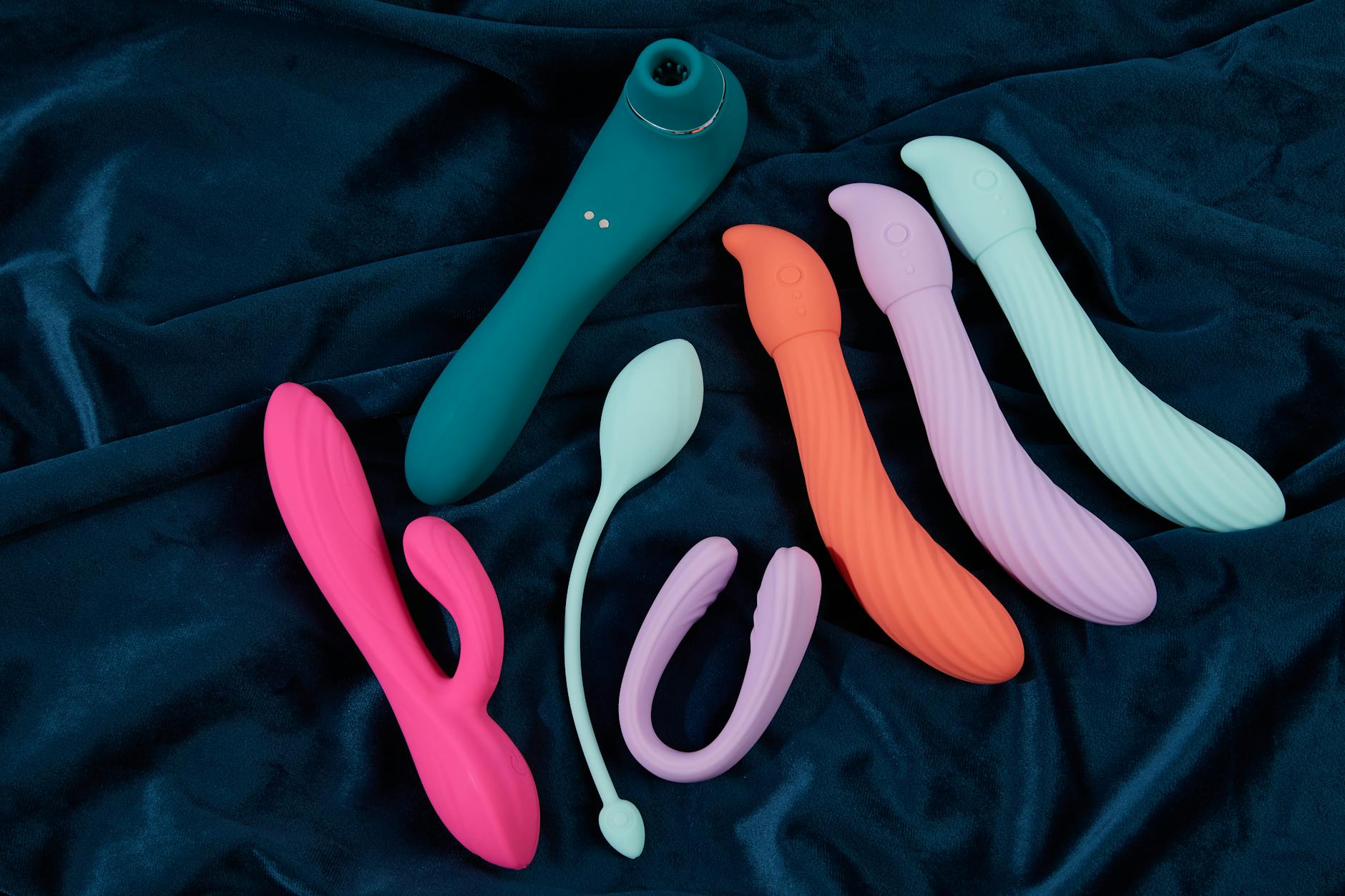
Your body keeps score
Let's be real: pleasure isn't just physical. Your nervous system is a whole filing cabinet of memory, stress, and emotional state. When you go through a major life change—a breakup, a career upheaval, moving cities, grieving someone, or even a positive shift like a new relationship—your body literally rewires itself for a few weeks or months.
That's why your lemon vibrator might feel completely different than it did six months ago, even though nothing has changed about the toy itself.
The nervous system reset
Your nervous system has two main modes: parasympathetic (rest and digest, where pleasure lives) and sympathetic (fight or flight, where survival lives). Major life changes flip you into sympathetic mode because your brain reads them as a threat—even the good ones.
When you're navigating a big transition, your nervous system is busy scanning for danger. Arousal requires safety. You can't orgasm while your brain is processing grief or replaying a difficult conversation. It's not broken. It's working exactly as designed.
Here's what actually happens during those periods: your clitoral sensitivity might feel dulled. Or the opposite—everything feels too intense, too raw. You might find it harder to focus, easier to get distracted, or completely unable to access the mental quiet you need to come. Your body might feel like it belongs to someone else entirely.
The emotional distance that shows up as physical distance
After a breakup, pleasure often comes with grief attached. You might reach for your lemon vibrator—one of those clitoral vibrators you love—and suddenly feel the absence of your partner's presence, or a complicated mix of relief and loss. That emotional baggage sits in your body as tension, as numbness, as lack of interest.
After a major career change or loss, you're grieving an identity. The part of you that was defined by that job or role is gone. Your nervous system is mourning while simultaneously trying to figure out who you are now. Pleasure feels irrelevant, almost frivolous. Some of my clients describe it as touching their own body and feeling like a stranger.
After moving or losing someone, the safety of your physical environment has shifted. Your body doesn't quite know where it is. That affects arousal more than people realize. You need your space to feel like home before your nervous system relaxes enough for pleasure.
Why sensation changes, not desire
There's a crucial difference: the ability to have an orgasm usually stays intact. What changes is access. The pathway is still there, but it's crowded with other things—stress hormones, grief, distraction, identity questions.
When you're in the middle of a life transition, the sensitivity of your clitoris might shift noticeably. Some people report their clitoral vibrator feels sharper or more abrasive than before. Others say it feels like it's working but from a distance, like pleasure is happening to someone else's body. A few describe a surprising uptick in sensitivity alongside emotional chaos—your body sometimes compensates for emotional pain with physical sensation.
The good news: this is temporary. Your nervous system recalibrates. Usually within 6 to 12 weeks, as the new normal settles, sensation and desire come back online. Not always identical to how they were, but accessible again.
The three physical things that shift
Lubrication timing changes. Your body takes longer to physically respond. That doesn't mean you're less aroused. It means your sympathetic nervous system is still partially engaged, so your blood flow takes longer to redirect toward your genitals. Budget more warm-up time with your lemon vibrator, even if you didn't need it before.
Tension patterns lock in differently. Stress and grief hold in the body as tension, often in the pelvic floor. You might find your muscles feel tighter around your lemon clitoral vibrator, or conversely, more relaxed but less responsive. Pelvic floor awareness helps: try a few minutes of gentle breathing before touching yourself, allowing that tension to release slightly.
Distraction becomes physical. You think your mind is elsewhere, but your nervous system holds that distraction as a physical sensation. You're less present in your body. The fix isn't willpower. It's letting go of the orgasm goal and focusing only on sensation. Use your vibrator for 10 minutes with zero expectation of climax. Just notice what you feel.
When the toy itself becomes complicated
Sometimes after a major life change, the particular toy becomes emotionally loaded. If you bought your vibrator during a relationship, it might carry memories of that person. You might need a break from it, or you might need to consciously re-associate it with solo pleasure and self-care rather than partnership.
This is not uncommon. One client bought a lemon clitoral vibrator during a happy period in her marriage, used it together for a year, then separated. For months, the vibrator felt like a reminder of what was lost. We eventually reframed it: she bought a new toy and gave herself permission to let the old one sit. After six months, she returned to it and found the emotional charge had lifted naturally.
You don't need to force yourself back to a toy that feels bad. Pleasure is supposed to feel good, including the emotional experience.
Reconnecting takes actual intention
Once the acute shock of the life change settles, you'll need to rebuild your relationship with pleasure. This isn't instantaneous. Think of it like returning to exercise after months off. Your body hasn't forgotten; it's just out of practice.
Start small. Use your lemon vibrator with lowered expectations. Spend time on foreplay with yourself. Notice what actually feels good right now, in this new iteration of your life, rather than chasing what felt good before. Your pleasure patterns might shift. You might discover you like different patterns, different speeds, different kinds of stimulation. That's not loss. That's evolution.
If you're navigating a major life change with a partner, this becomes even more important. How Lemon Vibrators Improve Pleasure After Relationship Transitions offers concrete ways to rebuild intimacy together. Communication about sensation changes matters more than usual, because both of you are likely rewiring.
The grief that lives in pleasure
Sometimes pleasure after a major life change comes with a layer of grief or complicated emotion. You might climax and then feel sad. You might feel guilty for enjoying yourself. You might feel angry that something that usually feels good now feels distant. All of that is normal.
Grief and pleasure live in different nervous system states, but they can coexist. You can mourn something and also reclaim your body. These aren't opposites. Your nervous system is learning how to hold both.
When to pause and when to push forward
If sexual touch feels painful, numb, or actively distressing, pause. That's your system asking for rest. Give yourself 2 to 4 weeks of genuine downtime from partnered sex and solo pleasure. Use that time to move your body, process emotion, and rebuild safety.
If pleasure feels inaccessible but not painful, keep engaging gently. Using your lemon vibrator without expectation—just to feel sensation, to reconnect with your body, to remember that pleasure exists—actually helps your nervous system come back online. You're signaling to your brain that it's safe to feel good again.
The goal isn't to get back to how you were. It's to meet yourself where you are right now and rebuild from there.
Rebuilding your pleasure practice
After a major life change, your pleasure practice might look completely different. You might need longer warm-up time. You might need total silence instead of music. You might need external pressure from your clitoral vibrator rather than internal sensation. You might need to use it solo instead of partnered for a while.
None of this is regression. This is your nervous system being honest about what it needs to feel safe and aroused. Honor that. Shift your routine to match. Most of the time, once you find the new rhythm, you can gradually expand from there.
Some clients find that reconnecting with pleasure after a major life change becomes one of the most affirming experiences of their recovery. It signals to your brain that life continues, that sensation still matters, that your body is resilient. That's powerful.
FAQ
How long does it take for pleasure to feel normal again after a major life change?
Typically 6 to 12 weeks, though it varies widely depending on the intensity of the change and your stress load. A breakup might take three months to fully metabolize. A job loss, depending on finances and identity impact, might take longer. Grief doesn't follow a timeline. Be patient with yourself.
Can I use my lemon vibrator right after a breakup, or should I wait?
You can use it whenever your body asks for it. Some people need distance; others find that solo pleasure is deeply grounding. Listen to what feels right. If it triggers sadness or anger, that's information. You don't have to force it. If it feels like self-care, it probably is.
Why does my clitoral vibrator feel too intense after a life change?
Your nervous system is in a heightened state. Blood flow is slightly elevated, nerve endings are more reactive, and your body might be processing stress through physical sensation. Lower the vibrator's intensity, use it with more lube, and take longer warm-up time. You can gradually increase intensity as your system settles.
Does emotional distress actually numb sensation, or is it psychological?
It's both. Emotional stress triggers your parasympathetic nervous system to downregulate sensation as a protective mechanism. That's physiological. But it also causes you to mentally leave your body, which blocks the mental focus that climax requires. Both the body and mind need to be present and safe for full pleasure.
If my partner and I are both going through a major life change, how do we rebuild intimacy?
Start with non-sexual touch and conversation. Talk about what each of you needs, what sensation changes you're noticing, and what feels safe right now. When you reintroduce sexual touch or toys like a lemon clitoral vibrator, do it slowly and with lots of check-ins. You're rebuilding trust in your own bodies and each other's. That takes time. How to Introduce a Lemon Vibrator to Your Partner Without Awkwardness walks through that conversation with specifics.
Can major life changes permanently change how pleasure feels?
Rarely permanently, but sometimes your pleasure map does shift slightly. You might discover you prefer different sensation, different speeds, or different contexts after a major change. That's adaptation, not damage. Many of my clients find that rebuilding pleasure after a transition makes them more aware of what they actually like, separate from what they think they should like.
You're not broken, you're recalibrating
Your nervous system is extraordinary at adaptation. After a major life change, it's working overtime to help you survive and eventually thrive in your new reality. Pleasure takes a backseat temporarily. That's not failure. That's your body protecting you while you rebuild.
The vibrator will feel like itself again. Your desire will return. Your clitoral vibrator—whether it's a lemon, a clitoral sucker, or any other style—will feel good again, though maybe in slightly different ways than before. You're not losing pleasure. You're pausing it while you integrate something big. And then you get to discover what it feels like on the other side.
If you're struggling to reconnect after a major life change and want personalized strategies, reach out. Sometimes just talking through what your body needs right now makes all the difference.