The strange part nobody warns you about
Let's be real. Depression doesn't just steal your mood. It steals desire, sensation, and the ability to feel pleasure in your own body. That absence can feel so complete that when it lifts, you're left wondering if pleasure will ever actually return. The good news: it does. The harder truth: rebuilding it takes intention, patience, and often some practical tools.
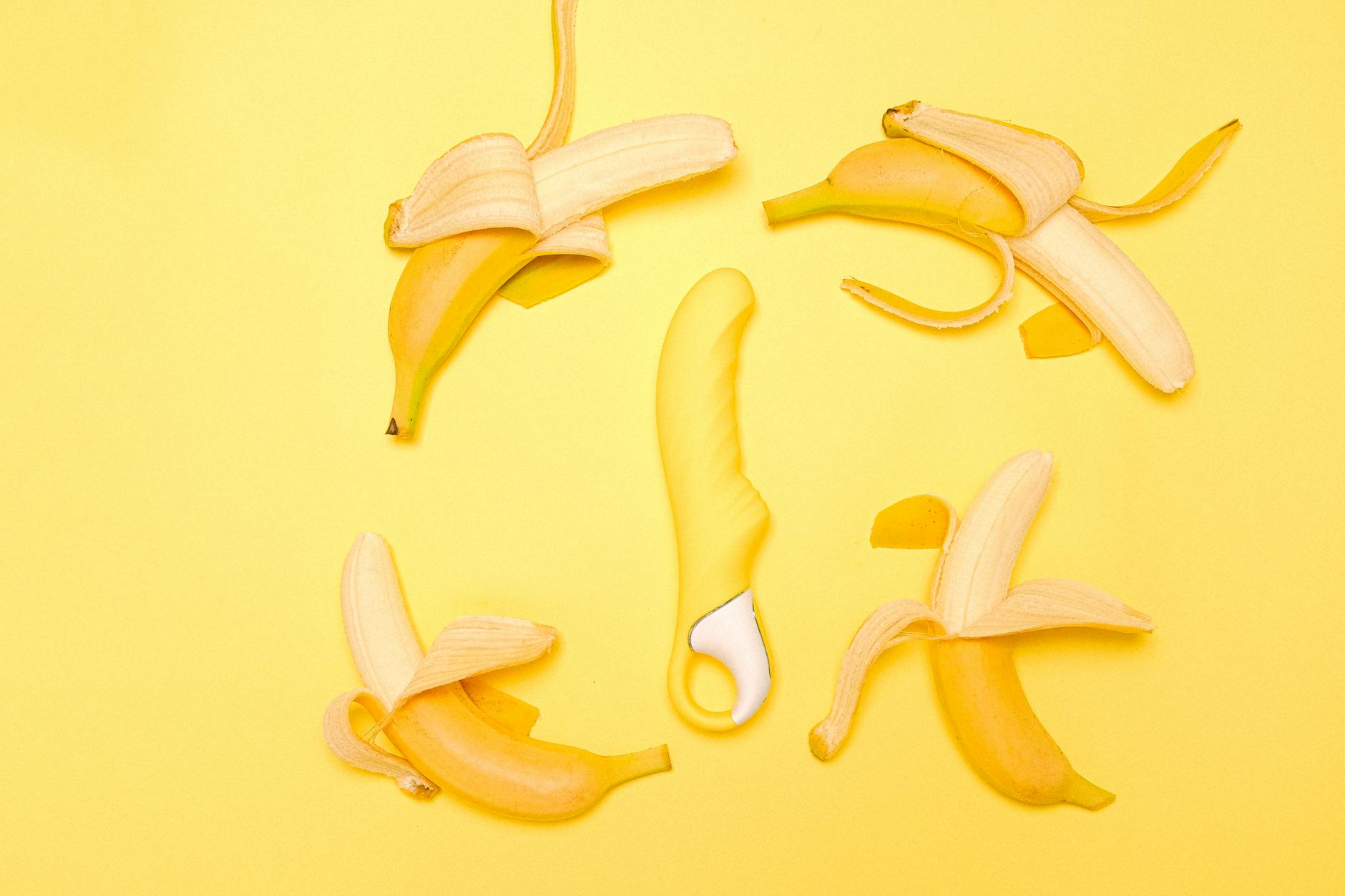
When depression loosens its grip, libido doesn't just magically reappear at full volume. Your brain chemistry is recalibrating. Your nervous system is learning to feel again. Your body is literally rewiring how it responds to touch and stimulation. That process is real, measurable, and takes time. The lemon clitoral vibrator, designed with air-suction technology, can be a surprisingly effective tool during this recovery phase because it works with your body's reawakening sensitivity rather than against it.
Why depression numbs desire in the first place
Depression doesn't care about your sexuality. It just turns down the volume on everything. Dopamine drops. Serotonin flatlines. Norepinephrine (the neurotransmitter tied directly to arousal and orgasm) hits the floor. Your brain is literally less able to register pleasure signals from your body. That's not laziness or a relationship problem. That's neurobiology.
Many people also describe depression as creating a glass wall between them and their own body. You can see it, but you can't feel it. Touch doesn't register the same way. Your own hand on your skin feels distant. That disconnection can actually persist even after mood starts lifting, which is why jumping straight back into your old pleasure routines often feels hollow or frustrating.
The nervous system reset that needs to happen
Your nervous system has spent months (or longer) in a protective crouch. Fight-or-flight stays engaged because depression feels like a threat. The parasympathetic nervous system, which handles rest-and-digest and also sexual response, gets backgrounded. As depression lifts, your nervous system doesn't instantly remember how to drop into that relaxed, receptive state where pleasure is possible.
This is why many therapists recommend a slow return to pleasure. Not because pleasure is dangerous, but because your body literally needs permission to soften again. You can't will yourself into arousal. You have to train your nervous system to recognize safety, relaxation, and the possibility of good feelings.
Using a lemon vibrator during this phase works because air-suction stimulation (unlike direct vibration) feels lighter, less jarring, and often more intuitive to bodies that are still relearning sensation. It's not aggressive. It doesn't demand a specific type of response. It invites.
Starting solo before partnered touch
Here's the thing: if you're in a relationship, the temptation is to dive back into partnered sex the moment desire returns. That impulse makes sense. But rebuilding pleasure after depression works better if you start alone.
Why? Because when you're solo, you have full permission to move at your own speed, explore without pressure, and most importantly, rediscover what actually feels good to your body right now, not what felt good before depression. Depression changes how touch lands. Your preferences might have shifted. Your sensitivity might be different. Your timeline for arousal might be longer or shorter.
Solo exploration with a lemon sexual toy gives you data. It teaches your brain and body that pleasure is possible again. It rebuilds the neural pathways between stimulation and response. It also gives you something concrete to share with a partner if you have one: "This rhythm feels good," or "I need more time to warm up," or "Lighter pressure works better."
Start with 15-20 minutes. Use the lowest settings on the Lem. You're not trying to have an orgasm. You're just reacquainting yourself with what pleasure feels like. Many people find that orgasm returns naturally once the groundwork is laid.
The practical setup that helps
Your environment matters more than you might think. A nervous system that's been in depression mode needs signals that it's safe to relax.n Set yourself up like this: Privacy (real privacy, not just a locked door). A comfortable position, lying down or reclined. Lighting that feels warm but not clinical. Time when you won't be interrupted. A small amount of water-based lubricant, even if you think you don't need it. A charged Lem vibrator on its lowest setting.
That's it. No performance pressure. No goal. No timeline.
Start by just spending time touching your body without the vibrator. Hands on your arms, chest, belly, inner thighs. The point is to rebuild the sensory connection that depression disrupted. Let that take 5-10 minutes. Then introduce the lemon clitoral vibrator at the lowest intensity. You're not aiming for the clitoris immediately. Try the outer labia, the inner thigh, the area around. Let your body remember what stimulation feels like before you zero in on direct clitoral contact.
The timeline nobody talks about
Recovery isn't linear. Some days sensation floods back. Other days you feel numb again, and panic sets in. That's normal. Depression is a long illness. Your nervous system was in protection mode for months or maybe years. Two weeks of feeling better doesn't mean it's fully rewired itself.
If you find yourself having a day where pleasure disappears again, that's not a setback. That's your body telling you it still needs rest. Keep using the Lem solo as a low-pressure way to check in with yourself. Notice what changes. Some people find that pleasure returns in waves. That's fine. There's no deadline.
Many therapy clients report that rebuilding pleasure after depression actually teaches them something valuable: they're not doing it to hit a goal or prove something. They're doing it for themselves. That shift in motivation often makes the experience richer than it was before.
Reintroducing a partner (if you have one)
Once you've had a few solo sessions where sensation feels steady, partnership can return. But there's a conversation that needs to happen first. Not a long one. Just honest: "I'm rebuilding pleasure after depression. This looks different than it used to. I might need more time, or gentler touch, or to pause mid-way. That's not about you. It's about my body recalibrating."
Then show them what you've learned. "When I use this rhythm on the Lem, it feels good. Can you touch me that way?" or "I need to go slow and I need you to wait for me to say I'm ready for more." Concrete observations are so much clearer than vague reassurance.
Partners often feel relieved to have actual information instead of guessing. And you get to rediscover pleasure together, which feels entirely different than diving back into familiar patterns.
When numbness lingers
If you're six weeks past depression lifting and sensation still hasn't returned, or if it returns briefly and then disappears, that's worth flagging with your therapist or psychiatrist. Sometimes depression leaves traces in the nervous system that need specific attention. Sometimes the medication you're taking has sexual side effects that need adjusting. Sometimes depression was masking another condition that needs its own treatment.
None of that means you're broken. It means your recovery is more complex and requires professional input. There's no shame in that. Actually, recognizing it early and getting support is exactly what someone rebuilding after depression should do.
The permission you actually need
Here's what I tell people in my practice: pleasure after depression isn't frivolous. It's not self-indulgent. It's part of your nervous system relearning that safety is possible and that your body is worth attention. Using a lemon clitoral vibrator isn't cheating or taking a shortcut. It's a tool that helps you rebuild sensation at your own pace, without pressure, without performance.
Your desire came back because you're healing. Now you get to explore what pleasure looks like in this next chapter.