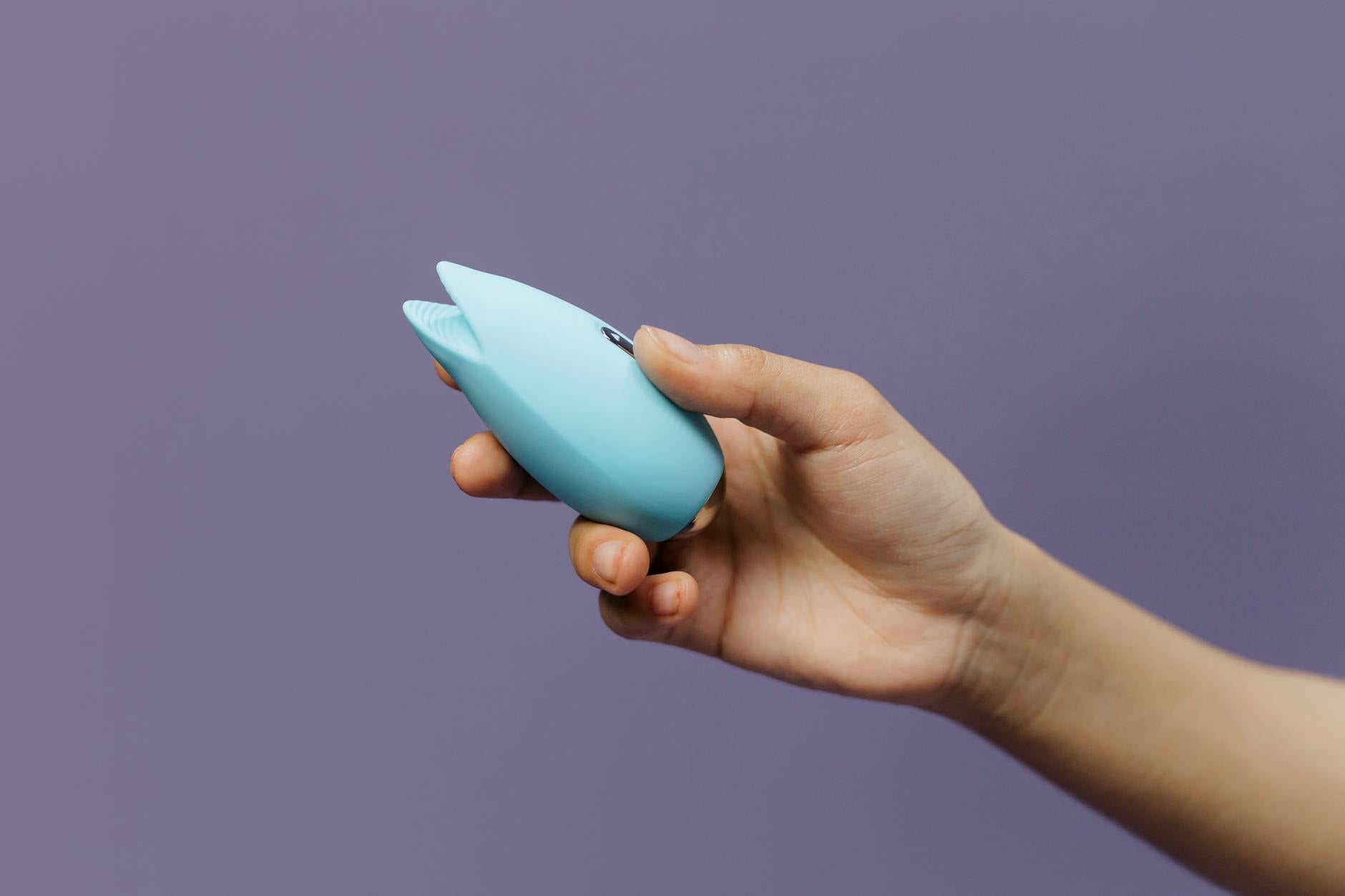
Let's talk about what nobody warns you about
You pushed a human out of your body. Doctors probably told you that healing takes six weeks. What they didn't tell you is that sensation can take months to fully return, and that's completely normal. Your nervous system has been through something, and it's not going to flip back to pre-baby settings just because the bleeding stopped.
Most people assume numbness or deadness down there means something went wrong. It didn't. It means your body is in recalibration mode, and introducing the right kind of stimulation—like a lemon vibrator—can actually help speed that process along, not harm it.
What actually happens to sensation postpartum
During labor and delivery, your perineum (the area between your vagina and anus) stretches significantly. Even if you didn't tear or need an episiotomy, the tissue still experienced major trauma. The nerves in that region get compressed, inflamed, and basically flooded with stress hormones. It takes time for them to settle back down and start firing normally again.
Add to that the hormonal drop after birth. Estrogen plummets. Prolactin rises (which is great for milk production, less great for libido and sensation). Your pelvic floor muscles are fatigued. Your perineal body is swollen. The combination of all of this doesn't just make sex uncomfortable—it makes pleasure difficult to access at all.
Here's the part nobody mentions: this sensory dulling is actually a survival mechanism. Your body is essentially saying, "We need to focus on healing and feeding a baby right now. Pleasure can wait." It's not a sign of damage. It's a sign your nervous system is doing its job.
Why sensation comes back differently
When sensation does return, it often doesn't feel like it did before pregnancy. Some people describe it as muffled or distant. Others say stimulation feels numb until they hit a certain intensity level, then suddenly it's there. This isn't permanent. Your nervous system is learning how to interpret signals again in a body that's been through major change.
The good news: clitoral vibrators like the Lem accelerate this process. The consistent, targeted stimulation helps wake up nerve endings and retrain your nervous system to recognize and respond to pleasure signals. You're not forcing anything. You're gently reminding your body what sensation feels like.
Starting slow with a lemon vibrator postpartum
Wait until you've been cleared for sex by your healthcare provider. That's usually around four to six weeks, but some people need longer. When you do get the green light, approach it differently than you would with a partner.
Set time aside when you're not touched out. If you're breastfeeding, your body may be overstimulated from constant contact. Trying to access pleasure when you're already at sensory capacity is like trying to hear someone whisper in a crowded room. Find a moment when the baby is asleep and you've had an hour without being touched. Your nervous system will thank you.
Start with pattern 1 or 2 on the Lem. Not because you're broken, but because you're rebuilding a conversation between your brain and your body. Lower intensity takes longer to build sensation, which actually helps you notice what's happening instead of just chasing intensity. Spend ten to fifteen minutes just exploring. No orgasm goal. No performance metric. Just noticing.
Using sensation to rebuild pleasure safely
Most postpartum numbness lives in a few specific zones: the clitoris itself, the inner labia, and sometimes the vaginal entrance. The Lem's suction-based design is particularly useful here because it stimulates without the direct friction that can feel overwhelming on sensitive, healing tissue.
If direct clitoral contact feels too intense, try stimulating the areas around the clitoris first. The outer labia, the area just above the pubic bone, even the inner thighs can help activate the broader arousal network without demanding that your clitoris do all the work.
Some people find that using the Lem while focusing intentionally on sensation helps rewire the connection faster. Instead of letting your mind wander, try narrating what you're noticing: "The pressure feels like a gentle push. Now it's warming up. Now I feel a tingle." This kind of mindful attention helps your nervous system categorize what's happening as pleasure instead of just stimulus.
The emotional piece matters as much as the physical one
Postpartum bodies carry a lot of psychological weight. You may feel disconnected from your body because someone else has been using it for food. You might feel resentment about being touched constantly by your baby while having zero time to yourself. You might be grieving the way your body used to feel and function.
All of that is completely legitimate, and it absolutely affects sensation. Your nervous system doesn't separate physical sensation from emotional context. If you're using a lemon vibrator while also feeling touched out, resentful, or disconnected, your body won't access pleasure—it'll just register more stimulation as more demands.
Before you start, ask yourself honestly: do I actually want to explore pleasure right now, or am I doing this because I think I'm supposed to? If it's the latter, wait. Give yourself permission to not want this yet. Your postpartum body doesn't owe anyone pleasure on a timeline.
Rebuilding with a partner, if you want to
If you're with a partner and ready to reintroduce sex, using a lemon vibrator together changes the dynamic in a useful way. It takes pressure off your partner to be the one generating sensation. It gives you agency in the experience. And it tends to reframe sex as something you're both exploring together rather than your partner trying to "fix" your numbness.
Many people find that introducing a clitoral vibrator early in postpartum recovery actually makes partnered sex feel more accessible sooner, not later. That's partly because you've already done the groundwork of waking sensation back up. It's also partly because your partner isn't spending the whole time frustrated that nothing's working. Everyone relaxes. Pleasure becomes possible again.
When to check in with your provider
Complete numbness that doesn't improve by three months postpartum is worth mentioning to your healthcare provider. So is sharp pain, persistent swelling, or sensation that feels burning rather than numb. These can indicate nerve damage or inflammation that needs specific treatment.
But if you're six weeks out and things just feel muffled and slow to wake up? That's the normal postpartum experience, and time plus gentle stimulation with a lemon vibrator will handle it.
The timeline isn't linear
Some days sensation will feel closer than others. Some weeks you'll make real progress, then the next week it'll feel like you've gone backward. This is normal. Your hormones are shifting. Your sleep is broken. Your body is still healing. Sensation isn't a straight line—it's a spiral.
Be patient with yourself. Your body created and then expelled a human. It deserves gentleness and time to remember how to feel pleasure again. Lemon vibrators are a useful tool in that process, but they're not the solution. The solution is time, permission, and the willingness to explore your body without performance pressure.
People Also Ask
When is it safe to use a lemon vibrator after giving birth?
Wait for your healthcare provider's clearance for sex, which is typically around four to six weeks. Even then, start slowly. Your perineal tissue is still healing, and while vibrators are gentler than many things, your body might need extra time to tolerate any stimulation. Begin with lower intensity patterns and give yourself permission to stop if anything feels wrong.
Why does sensation feel numb postpartum even after it stops hurting?
Your pelvic nerves experienced compression and trauma during delivery. It takes time for inflammation to subside and for nerves to recalibrate. Additionally, hormonal shifts (especially the drop in estrogen) reduce natural lubrication and sensitivity. Combined with sleep deprivation and nervous system overload from caring for a newborn, numbness is an expected part of recovery, not a sign of permanent damage.
Can a lemon vibrator actually help rebuild sensation after childbirth?
Yes. Consistent, gentle stimulation helps wake up nerve endings and retrain your nervous system to recognize pleasure signals. The key is low pressure, patient exploration, and no performance goals. You're not trying to have an orgasm—you're reestablishing the conversation between your body and your nervous system. Clitoral vibrators like the Lem are particularly useful because they provide targeted stimulation without harsh friction.
How long does postpartum numbness usually last?
For most people, noticeable improvement happens between two to four months postpartum. Full sensation recovery can take six months to a year, especially if you're breastfeeding (which extends the hormonal suppression of sensation). Every body is different. Some people regain full sensation quickly; others need more time. This variation is normal and doesn't indicate anything is wrong.
Is it normal to feel touched out while also wanting to explore pleasure?
Completely normal. These aren't contradictory feelings. You can be overstimulated by constant baby contact and still want to reclaim pleasure on your own terms. The key is timing. Explore when you've had space and time to yourself, not when you're already at sensory capacity. Your nervous system needs recovery time before it can access pleasure—that's not something you can rush or force.
What if I'm not interested in sex yet and that feels like a problem?
It's not a problem. Postpartum loss of libido is incredibly common and usually resolves as your hormones rebalance and you get more sleep. You don't need to force pleasure or use a lemon vibrator before you actually want to. Give yourself permission to wait. Your body will tell you when it's ready, and that timeline is different for everyone.
You're not behind schedule
Postpartum numbness often comes packaged with guilt. Everyone wants to know when you'll "get your body back," which is code for "when will you be sexually available again." That's not your problem to solve. Your body did something extraordinary. Sensation will return when your nervous system finishes the work of recalibration. A lemon vibrator can support that process, but it can't speed up the actual healing. What you can control is patience with yourself and the choice to explore pleasure only when it feels genuinely appealing, not obligatory. When you're ready—whether that's three months postpartum or a year—a clitoral vibrator like the Lem is there to help you remember how good sensation can feel.