Let's name what's actually happening
You're not broken. Body disconnection is a survival response, and it's wildly common. When you've been through stress, trauma, grief, or even just prolonged anxiety, your nervous system can decide that checking out feels safer than staying present. The problem is that when your body goes offline, pleasure goes with it. Nothing feels good because nothing really feels like anything.
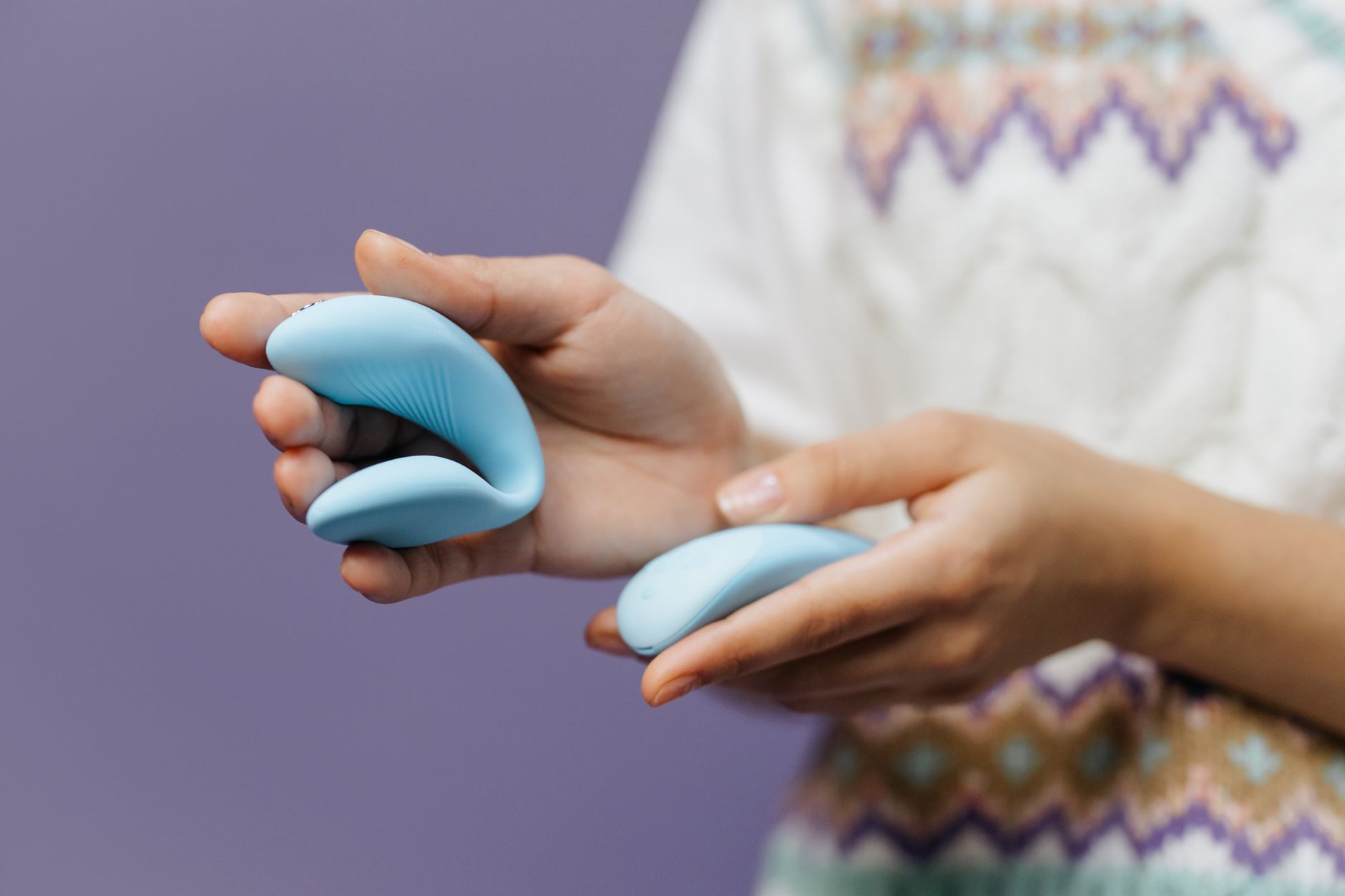
Here's what I've learned working with couples navigating this: lemon vibrators work differently when you're disconnected. A regular vibrator might feel like nothing. But the Lem's specific suction-and-pulse pattern can actually pull your attention back into your body in a way that straight vibration sometimes can't. This isn't mystical. It's neurology.
Why disconnection kills sensation
Body disconnection (sometimes called depersonalization or dissociation) doesn't mean you can't feel physical touch. It means your brain has turned down the volume on the signals coming in. You might feel pressure or movement, but the pleasure center stays quiet. This happens because your prefrontal cortex—the part that processes pleasure and intention—is offline while your amygdala (threat detector) is running the show.
During disconnection, you might notice: numbness during sex, the feeling that something is touching you but it's happening to someone else, difficulty reaching orgasm even when stimulation is objectively good, or a weird delay between what's happening physically and when your brain catches up to it.
The good news is that sensation can come back. The better news is that you don't have to wait for your nervous system to completely recalibrate. You can actively invite your body back into the room.
The science of bringing your body back online
Three mechanisms matter here. First is proprioceptive awareness—your brain's sense of where your body is in space and what it's doing. Second is interoception, which is your ability to notice internal sensations (heartbeat, breath, arousal building). Third is what neuroscientists call "embodied attention," which is deliberately focusing your consciousness on specific physical sensations.
When you use a lemon clitoral vibrator intentionally, you're engaging all three at once. The suction pattern of the Lem is particularly useful because it's textured and distinctive. Your brain has to pay attention to something that unfamiliar. Your automatic "tune it out" response doesn't work as well on a new sensation pattern. You're forced back into presence.
That's not the same as forcing yourself to be present through willpower. This is your nervous system noticing something interesting enough to turn the volume back up on sensation.
Start smaller than you think
When you're disconnected, a common mistake is going straight to intense sensation, hoping that shock value will pull you back. It won't. If anything, overwhelming sensation will push you further back out.
Instead, start with pattern 1 or 2 on the Lem. Sit with it for 30 seconds. Your job isn't to feel amazing yet. Your job is to notice what you're feeling: is it warm, cool, rhythmic, pulsing? Describe it to yourself like you're a scientist cataloging a new thing. This sounds clinical, but it works. It bypasses the performance anxiety ("I should be feeling more") and focuses on simple observation.
Many of my clients report that by the third or fourth time of doing this—just noticing, not achieving—the numbness starts to lift. Your brain realizes it's safe to turn the pleasure receptors back on.
Make it a reconnection ritual, not a performance
This is important: you're not trying to have an orgasm. You're trying to establish communication with your body again. That's a completely different goal, and it changes everything about how you approach the experience.
Set aside 15-20 minutes when you're not rushed. No partner in the room unless they're there to support you emotionally (and ideally in another room). Put your phone across the room. Lie down somewhere comfortable where you won't be interrupted.
Start with your breath. Two minutes of slow breathing—in for four counts, out for four. This signals safety to your nervous system. Then apply a water-based lubricant and start with the Lem at the lowest setting. Move it slowly around your clitoris without pressure. Notice: warm or cool? Rhythmic? Does it feel closer to anything else you've experienced (vibration, massage, pulsing water)?
If nothing happens for 10 minutes, that's okay. You're building the neural pathway back. This isn't wasted time. You're training your body to trust that sensation is coming back.
When pleasure starts returning
At some point, maybe after two sessions, maybe after two months, you'll notice something different. A flutter. Warmth. A subtle tightening. Don't grab at it. Let it happen at its own pace. Resistance and pressure kill the process. Your job is to stay curious and patient.
Many people find that once they can feel pleasure again at all, even a small amount, the floodgates start opening. This makes sense neurologically: you're proving to your nervous system that it's genuinely safe. Once safety is established, sensation rebounds quickly.
If your partner is involved
If you're in a relationship and your partner knows about this disconnection, their role is to give you space and support without expectation. This is not foreplay. It's not leading to sex. It's therapeutic reconnection. The moment a partner (or you) treats it as a means to an end, the pressure creeps back in and you disconnect again.
Have a conversation beforehand: "I'm using this time to rebuild sensation. If I want touch, I'll ask. If I want to stop, I will. Your job is to respect that, not to help me towards an orgasm." That clarity protects both of you.
When you hit a plateau
After a few weeks, the novelty of the Lem might wear off and sensation might plateau. This is normal. You've re-established the basic connection. Now you're building on it.
At this point, try varying your approach: different patterns on the Lem, different positions, different times of day when your nervous system is in a different state. Some people find that mornings work better than nights, or vice versa. Some notice that they reconnect faster when they're slightly aroused by other input first—reading, fantasizing, whatever works for you.
The goal isn't to become dependent on the Lem. The goal is to use it as a bridge back to your own natural sensation and pleasure response.
What to tell yourself when it doesn't work
Some days the Lem won't feel like much of anything. Your brain is still learning that it's safe to feel. That's not failure. That's your nervous system doing exactly what it's supposed to do: being cautious.
On those days, you can either try again the next day or take a break for a week. There's no formula. What matters is consistency over perfection. If you show up five times and nothing happens, but the sixth time you feel a spark, that's progress. You're teaching your body that pleasure is worth the effort.
Disconnection is protective. Your body did this for a reason. Reconnection takes patience because your nervous system needs evidence that it's actually safe. A lemon clitoral vibrator is a tool that can help. But the real work is the time and gentleness you're giving yourself.
People also ask
Can body disconnection go away permanently?
Yes, but it usually needs more than a vibrator. If disconnection came from trauma, stress, or deep anxiety, talking to a therapist (especially one trained in somatic work or trauma) can accelerate recovery. A therapist can help you identify what triggered the disconnection and help your nervous system recognize safety. The Lem is a tool that works alongside that deeper work, not instead of it.
What if I feel worse using the vibrator?
Stop and don't use it again that day. If using it consistently makes you feel more disconnected, that's a signal that your nervous system isn't ready yet. Talk to a therapist before trying again. Disconnection sometimes has deeper roots that need professional support first.
Does this only apply to people who've experienced trauma?
No. Disconnection also happens from chronic stress, burnout, hormonal shifts, and sometimes just from being in your head too much. Athletes and high-performing people disconnect from their bodies regularly because they're trained to push through sensation. If you recognize yourself in the numbness or that "watching from outside" feeling, these strategies apply to you.
How long before I can feel normal again?
It varies wildly. Some people reconnect in two weeks. Others take two months. A few take longer. The time matters less than consistency. If you show up every few days and stay gentle with yourself, most people notice real improvement within 4-6 weeks.
What if I'm on antidepressants that numb sensation?
This is a different issue, though the feelings can look the same. Antidepressants create chemical numbness in the pleasure system. You might benefit from reading about how lemon vibrators work when medication is dulling your response. That said, reconnection rituals can still help. They won't override the medication, but they can increase your sensitivity within whatever chemical constraints exist. Talk to your doctor about whether a dose adjustment or timing change might help.
Is it normal to cry during this?
Yes. Many people cry when their bodies start coming back online because grief and relief mix together. You've been numb. Feeling again can be overwhelming. That's not a sign you're doing it wrong. It's often a sign that your nervous system is finally trusting that it's safe. Let it happen.
The real work
Your body isn't broken. Disconnection is a survival mechanism, and your nervous system did exactly what it was supposed to do to keep you safe. The path back is gentle, patient, and possible. A lemon vibrator can be a useful tool in that process. But the real work is giving yourself permission to reconnect slowly, without pressure, and with genuine curiosity about what sensation feels like again. That's where the healing happens.