The awkward middle ground nobody talks about
You switched antidepressants. Maybe your old one stopped working, or the side effects got worse, or your doctor thought something new might fit better. What nobody tells you is that the transition period is its own sexual landscape, separate from both your pre-medication baseline and whatever your pleasure looks like once you stabilize on the new drug.
I've worked with dozens of people navigating this exact gap, and the pattern is consistent. There's a honeymoon phase where you think "maybe this new medication won't flatten my libido like the last one." Then there's a month where everything is muted. Then, gradually, sensation returns. It's not linear, and it's not always in the order you'd expect.
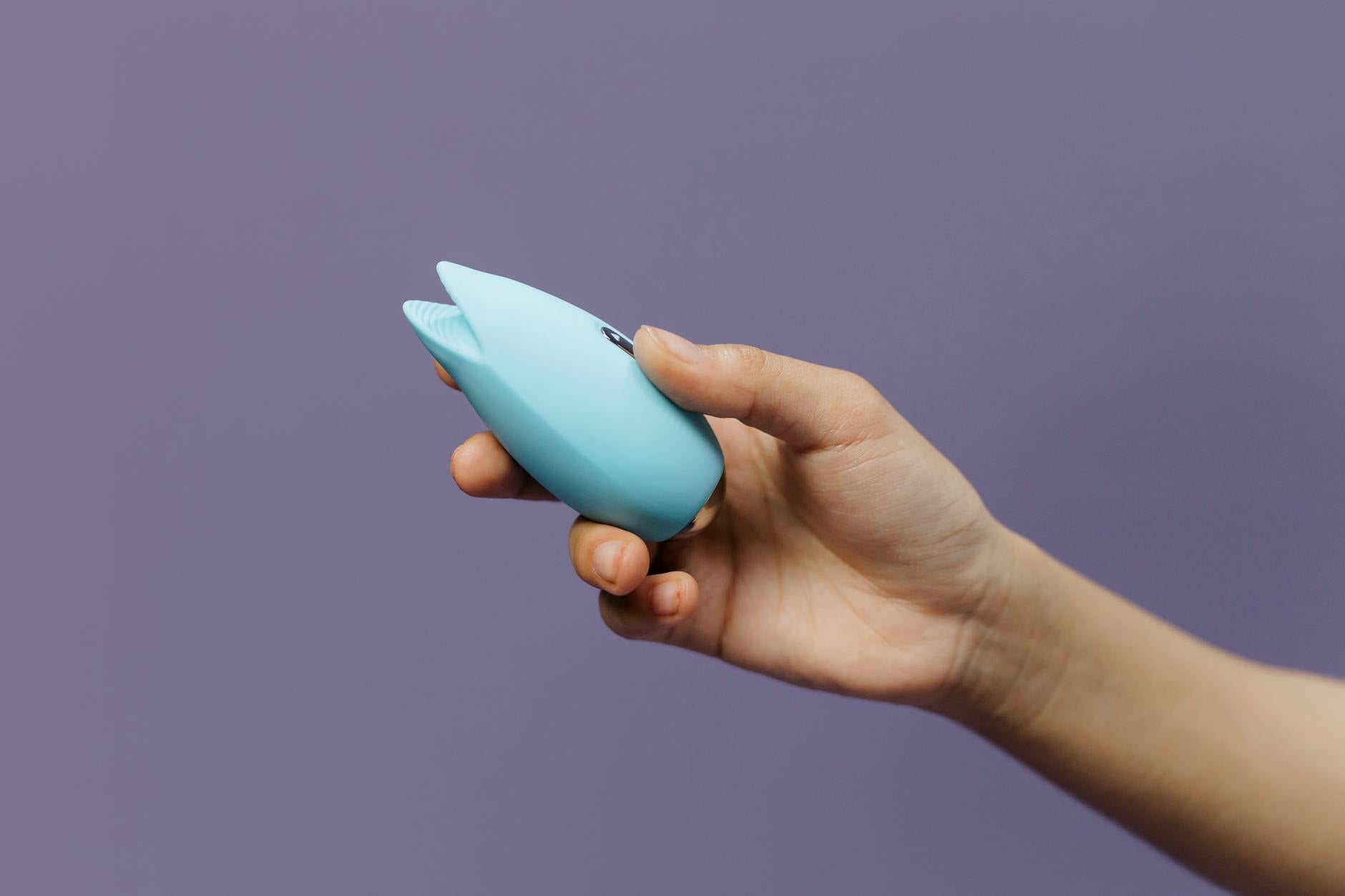
Lemon clitoral vibrators like the Lem handle this transition better than most tools because they work with reduced sensation rather than against it. Here's why, and how to use them strategically during this in-between time.
What actually happens when you switch SSRIs
Both SSRIs and SNRIs can dampen sexual response by increasing serotonin and sometimes decreasing dopamine and norepinephrine. That's the mechanism, and it doesn't disappear overnight when you stop the old pill and start the new one.
When you switch medications, your body is technically on both drugs for a short overlap, then on neither for a gap, then on the new one. During this transition, sexual sensation often gets quieter before it gets louder again. Your brain and nervous system are recalibrating. This isn't permanent. It usually settles within 2-6 weeks on a stable new dose.
The tricky part: you don't know if the new medication will cause fewer sexual side effects than the old one until you've been on it long enough to judge. Sometimes you get lucky and the new drug has a better sexual profile. Sometimes you land on something equally dulling. Sometimes you find the sweet spot. During that uncertainty, trying to maintain your pre-switch pleasure pattern often backfires. You end up frustrated, feeling broken, when actually you're just in a temporary chemical state.
Why lemon suction vibrators work during medication transitions
Lemon vibrators, specifically air-suction clitoral stimulators, create sensation through indirect pressure rather than direct friction. This matters during medication transitions because:
They bypass numbness differently. If your clitoris feels numb or muted from medication, a traditional vibrator might not register at all, or it might feel irritating. Suction works on a different neural pathway. It creates a seal and a rhythmic pull that can wake up nerves that vibration alone can't reach.
They're gentler on hypersensitivity. The flip side of numbness is sometimes unexpected sensitivity or even pain as your nervous system recalibrates. The Lem's variable intensity patterns let you start at the gentlest setting and work up. You're not forcing your body into a rhythm it doesn't want yet.
They feel less mechanical. During medication transitions, your brain is already hyperaware of its own dysfunction. A traditional vibrator's buzz can feel clinical. Suction feels more organic, less like you're "trying to get yourself to work." That psychological shift is more important than it sounds.
A practical switching protocol
If you're starting a new antidepressant and want to maintain some pleasure contact without frustration, here's what I recommend:
Week one to two. The crossover period is worst. Your old medication is leaving your system while the new one is ramping up. Don't expect much. If you want to use a lemon clitoral vibrator right now, stick to the gentlest settings (pattern 1 or 2 on the Lem) and give yourself 15 minutes maximum. The goal isn't orgasm. It's staying familiar with your body. Orgasm might not happen, and that's not failure.
Week three to four. Sensation usually starts returning. You might notice it's different, shallower, or requires more time to build. This is when the Lem actually shines. You can spend 20-25 minutes exploring what feels good now, not what felt good before. The variability in patterns lets you find new sensitivity zones. Many people discover their pleasure returns in slightly different places post-switch.
Week five onward. If you're stabilized and sensation is returning fully, you're back to your normal baseline with this new medication. If sensation is still muted, check with your prescriber about dosage or timing. Sometimes taking the medication at a different time of day helps. Sometimes a small adjustment works better.
Managing the psychological layer
Here's what I see most often: the medication switch causes physical numbness, which causes anxiety about whether you'll ever feel normal again, which causes avoidance of sex and self-pleasure entirely, which means you're not gathering data about what your body actually feels like on the new medication. You end up in a three-month wait loop instead of a six-week adjustment.
Breaking that loop requires staying curious rather than checking off performance. When you use a lemon clitoral vibrator during this time, frame it as research, not recreation. You're mapping what works now. You're not comparing it to before or worrying about when it'll feel like it used to.
If you have a partner, that conversation needs to happen separately from the sex conversation. "My body is adjusting" is different from "I don't want to be close to you." Most partners understand medication transitions when you explain them directly. Most partners also catastrophize if you disappear from physical intimacy entirely for six weeks.
When to reach out to your prescriber
If you're three months in and sensation hasn't returned, contact your doctor. Sometimes a dose adjustment helps. Sometimes switching to a different SSRI or adding something like bupropion (which has a different mechanism) restores sexual function. You don't have to live with medication-induced numbness long-term. There are options.
If you're experiencing pain or unexpected physical symptoms during the transition, don't assume it's the medication. Get it checked out. Most of the time it's fine, but it's worth confirming.
If depression or anxiety are getting worse during the switch, that's urgent. Tell your prescriber immediately. Sometimes medication transitions need to be slower, or your original dose needs to overlap longer with the new one. Your sexual function matters, but your mental health comes first.
The sensations that usually return first
When pleasure starts coming back after an antidepressant switch, it doesn't always return in the order you'd expect. Often the first thing that comes back is arousal itself. Your brain starts wanting sex again before your body fully cooperates. Then sensation gradually intensifies. Orgasm is usually the last thing to fully normalize, but when it does, many people report it's actually more intense than before, because you've spent weeks slowly rebuilding sensitivity.
A lemon clitoral vibrator like the Lem is useful here because its suction mechanism can help coax that last mile of sensation back. You're not fighting through numbness anymore. You're gently stimulating tissues that are already starting to wake up.
Rebuilding your relationship with your own pleasure
One thing I always tell people going through medication transitions: you get to restart here. Not in a devastated way, but in an exploratory way. You spent weeks or months or years with a certain sexual baseline on your old medication. Now you get to find out what your pleasure looks like on something new. That's not a loss. It's data you didn't have before.
Some people find their orgasms are stronger post-switch. Some find they want sex more frequently. Some find they're less interested in certain things and more interested in others. None of that is broken. It's just information about how your nervous system responds to this particular medication, on your particular body, at this particular point in your life.
FAQ: Lemon vibrators and antidepressant transitions
Can I use a lemon clitoral vibrator while my medications are overlapping?
Yes, but keep expectations low. During the crossover period, you might feel almost nothing, or sensation might be unpredictable. Use the lowest intensity setting and view it as maintenance, not performance. The goal is staying connected to your body, not achieving pleasure.
How long does it usually take for sexual sensation to return after switching antidepressants?
Most people report noticeable improvement within 3-4 weeks and near-baseline sensation within 6-8 weeks. Everyone's timeline is different. If you're at three months with no improvement, contact your prescriber.
Do I need a different kind of vibrator for medication transitions?
Not necessarily, but lemon suction vibrators like the Lem are particularly helpful because they stimulate through a different mechanism than traditional vibrators. If you already have a vibrator that works for you, keep using it. Just adjust your expectations and intensity settings downward during the transition.
Is it normal for pleasure to feel different on the new medication than the old one?
Completely normal. Different medications create different neurochemical profiles. Your sexuality might shift slightly. That's not dysfunction. It's adjustment. After a few months, you'll develop a new normal that feels just as valid as the old one.
Should I tell my partner about the temporary numbness I'm experiencing?
Yes, especially if you're living together or in a sexual relationship. Explaining "my medication is transitioning and my body feels muted right now" prevents them from taking reduced sexual interest personally. Most partners respond well to clear information and a realistic timeline.
What if the new antidepressant causes the same sexual side effects as the old one?
Tell your doctor. You don't have to choose between mental health and sexual function. Sometimes a different SSRI works better. Sometimes adding bupropion or adjusting the timing of your dose helps. Sometimes a different class of medication entirely is the answer. These conversations are part of good prescribing.
Your pleasure matters. Your mental health matters. The right medication should support both.
Can I use lemon sexual toys while on antidepressants at all?
Absolutely. Antidepressants don't make you asexual. They change your response time and intensity, but pleasure is still available. Lemon adult toys are one tool to work with your body's current capacity, not against it.
The transition period between antidepressants is temporary. Your body is adjusting. A lemon clitoral vibrator designed for varied sensitivity, like the Lem, gives you something that works with your current state rather than demanding you perform at your old baseline. Use it gently, stay curious, and give yourself at least six weeks before you decide anything is permanent. Almost always, it's not.