Here's what grief does to pleasure
Let's be real. Grief is not a season where you're suddenly horny. Grief is a full-body shutdown. Your nervous system detects threat, and arousal stops being a priority because your brain is busy trying to keep you alive.
That's not depression. That's not brokenness. That's your body doing exactly what it's supposed to do when you're processing massive loss. The problem is that this shutdown can linger long after the acute phase ends. Six months, a year, sometimes longer. You're technically "fine," the worst has passed, but your body didn't get the memo. Sensation still feels distant. Orgasm feels impossible. Your clitoral vibrator gathers dust because reaching for it feels like betrayal, or like admitting something's still wrong when you're supposed to be healing.
I work with people in this exact space. And here's what I've learned: reconnecting with pleasure after grief isn't frivolous. It's actually part of healing.
Why grief numbs sensation
Grief triggers what trauma therapists call dissociation. Your mind and body separate as a protective mechanism. You feel untethered from physical sensation, from your own skin. This is neurologically real. The amygdala, which processes emotion, works overtime. The prefrontal cortex, which handles reasoning and connection, quiets down. Your nervous system camps out in the sympathetic branch (fight-or-flight). Pleasure requires the parasympathetic branch (rest-and-digest). Those systems can't run simultaneously.
On top of that, grief depletes dopamine. Pleasure, motivation, and the sensation of anticipation all depend on dopamine. So when you touch yourself or reach for a lemon vibrator, your body might not register the sensation as pleasurable. It's not that you've lost your capacity for orgasm. It's that your reward system is temporarily offline.
The timeline for reconnecting
There's no universal schedule. Some people reconnect with pleasure in three months. Others take two years. Neither is wrong. What matters is that you notice when things start shifting. Usually it looks like this.
Phase one is numbness. Six to twelve weeks, usually. Sensation feels muffled. You might try self-pleasure and feel nothing. That's normal.
Phase two is the ache. You start to feel something, but it's tinged with guilt or longing. Grief and arousal get tangled together. This phase can last months.
Phase three is reclamation. You realize you want to feel good again. Not as a replacement for grief, but as proof that you're still alive. This is where pleasure starts to become accessible again.
None of these phases move in a straight line. You'll have setbacks. A song will hit wrong, and you'll fall back into numbness for a day. That's grief. You're not failing.
Starting small with sensation
When you're ready to reconnect, don't jump to intensity. Your nervous system needs to remember how to feel safe while experiencing pleasure. Start by noticing sensation without goal. Warm water on your skin. The texture of a blanket. The smell of something you loved before grief happened.
When you're ready to explore touch, begin with non-sexual touch. Hold your own hand. Notice the warmth. Massage your own shoulders. Not with the goal of orgasm, but just to remind your body that touch can feel good again.
Then try partner touch if you have a partner. Tell them explicitly: "I'm reconnecting with my body. This isn't about performance. It's about gentle sensation." If your partner pushes for more intensity, that pressure kills the process. You need permission to go slow.
Only after you've rebuilt basic comfort with non-sexual touch should you reach for a vibrator. And even then, start with low intensity. A lemon clitoral vibrator offers precision and control. You're not trying to chase orgasm. You're trying to wake up your nervous system to the possibility of pleasure.
How lemon vibrators help specifically
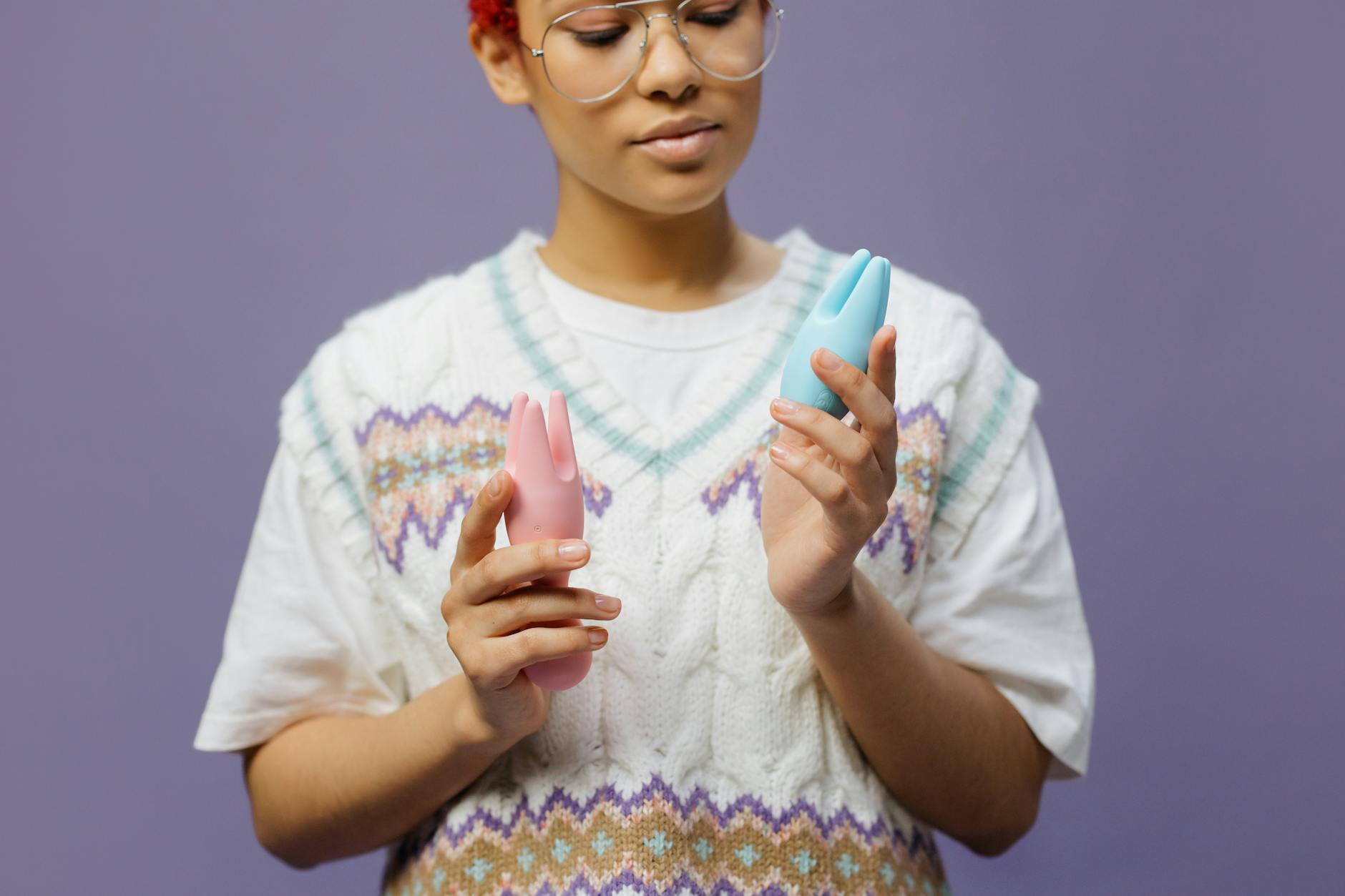
A lemon clitoral vibrator works well for grief recovery because the suction mechanism provides sensation without the intensity of direct vibration. When you're rebuilding arousal, gentler input feels less overwhelming. Suction stimulates the entire clitoral complex, not just one point. It mimics the sensation of oral sex, which many people find more emotionally connective than other forms of stimulation. That emotional layer matters when you're healing.
The rhythm of suction is also predictable. You control the intensity. You can pause without guilt. You're not performing for anyone. There's no pressure to finish. With grief still lurking in your system, that autonomy is everything.
Start at the lowest setting. Spend 15-20 minutes just exploring sensation. If you orgasm, great. If you don't, that's also fine. The goal is to teach your body that pleasure is safe again.
The emotional layer
This is the part nobody talks about. When you start to feel pleasure again after grief, guilt often shows up first. "How can I feel good when they're gone?" It feels like betrayal. Like you're moving on too fast. Like pleasure means you didn't love them enough.
This is cognitive distortion. Pleasure doesn't erase grief. They coexist. You can be sad and also capable of an orgasm. You can miss someone and also deserve to feel good. Your body wasn't meant to be a monument to their absence.
If the guilt is intense, talk to a therapist. This is worth processing. But don't use guilt as permission to stay numb. Numbness isn't honoring their memory. It's punishing yourself.
Building a sustainable practice
Once you've reconnected with orgasm, the goal isn't to use your lemon vibrator constantly. The goal is to integrate pleasure back into your life as one element of healing alongside grief work, connection, and time.
Some people use lemon vibrators one or two times a week. Others use them less frequently. There's no right answer. What matters is that you're choosing it, not forcing it. And that you're paying attention to what feels good and what feels like pressure.
If you have a partner, consider inviting them into this process. Not immediately. But when you're ready, sharing that you're reconnecting with pleasure can deepen emotional intimacy. You're saying, "I'm choosing to feel alive again. I'm choosing to let you see me in this vulnerable moment." That's powerful stuff.
When to seek additional support
If six months have passed and you still feel no shift toward pleasure, that might signal depression or prolonged grief disorder. That's not a failure. That's information. Talk to your doctor or a grief-informed therapist. Sometimes the body needs more support than gentle self-touch can provide.
If pleasure reconnects but then disappears again during another wave of grief, that's normal. Grief is not linear. You might need to restart the process several times. Each restart gets slightly easier because your nervous system already knows the way back.
The deeper work
Using a lemon clitoral vibrator is part of reconnecting with yourself after grief. But it's not the whole work. The whole work is remembering that your body is yours. That pleasure isn't frivolous. That feeling good doesn't dishonor loss. It honors the fact that you survived it. You're still here. You still deserve sensation, joy, and yes, really good orgasms.
Grief changes you. But it doesn't have to be the end of pleasure. When you're ready, your body remembers how to feel.
People also ask
Is it normal to feel nothing during self-pleasure after losing someone?
Completely normal. Grief activates your nervous system's protective mechanisms. Pleasure requires your body to feel safe, which is hard when you're grieving. You're not broken. Your body is working exactly as designed. Give yourself patience and time.
How long does it take to reconnect with orgasm after grief?
It varies widely. Some people reconnect in weeks. Others take a year or more. There's no standard timeline. Factors like the closeness of the relationship, the circumstances of the loss, and your personal support system all affect the pace. Trust your body's timeline, not a calendar.
Can using a vibrator feel like I'm replacing the person I lost?
That's a grief-specific fear, and it's worth exploring with a therapist. But pleasure and grief coexist. Reconnecting with your own body isn't betrayal. It's reclamation. You're not replacing anyone. You're honoring yourself.
Should I wait until I feel ready, or should I push myself to reconnect with pleasure?
There's a middle ground. Forcing orgasm when you're still numb won't help. But gently exploring sensation without pressure can actually help your nervous system move out of shutdown faster. Avoid both extremes: don't torture yourself to climax, and don't completely avoid touch out of guilt.
What if my grief comes back when I start to feel pleasure again?
Grief is non-linear. You might start to feel good, then something will trigger the loss again, and you'll sink back into numbness. That's normal. It doesn't mean you're failing. It means you're human. Keep practicing gentle reconnection. Each wave becomes easier to navigate.
Is it okay to feel aroused while grieving?
Yes. Arousal can actually be your nervous system's way of asserting that you're alive. Some people experience a spike in libido during certain phases of grief. Others feel nothing. Both are normal. Honor whatever you're experiencing without judgment.