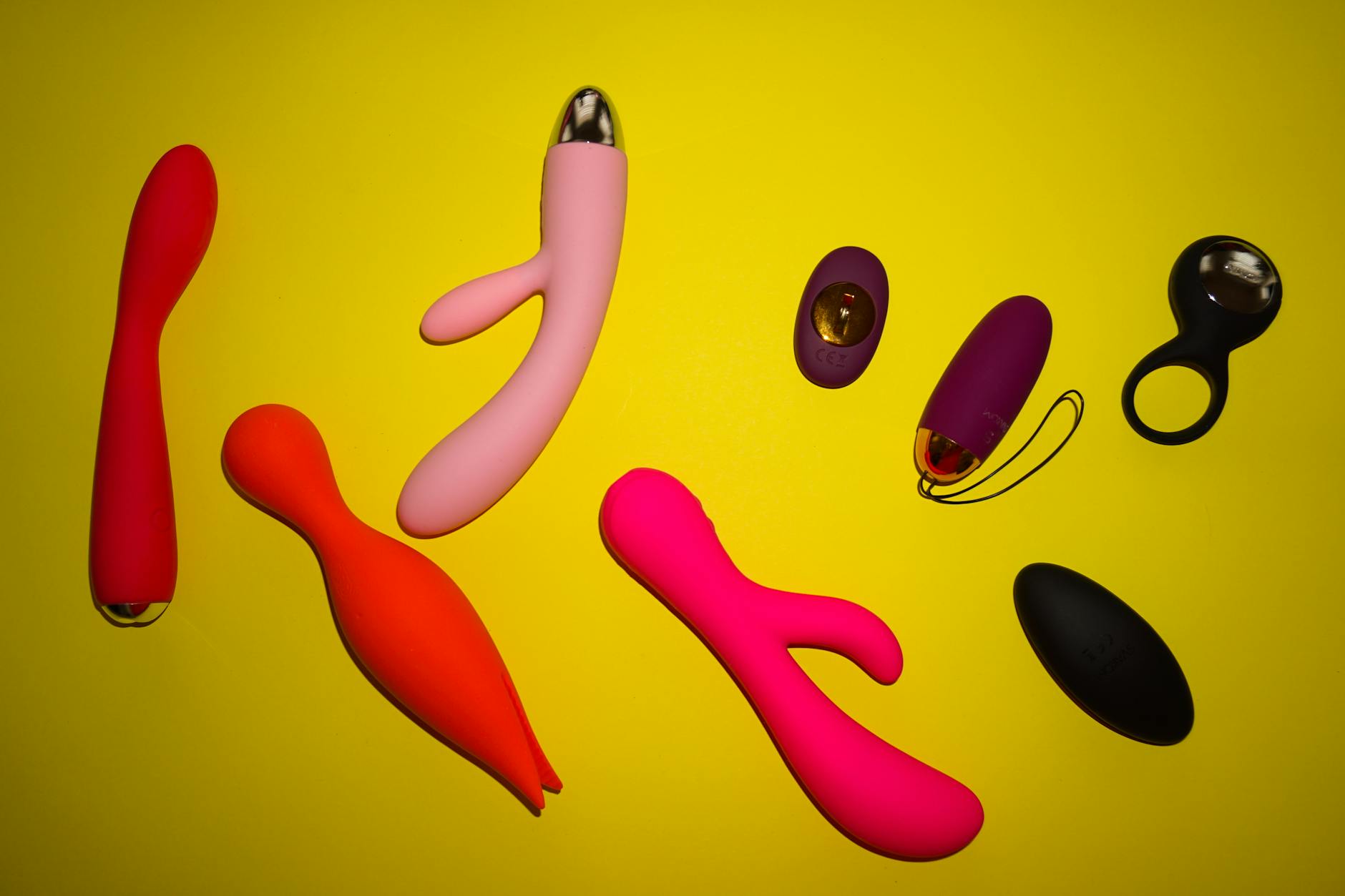
Let's talk about the conversation first
Honestly, this is the part that matters most. Bringing a lemon vibrator into a new relationship is not about the toy. It's about saying out loud: "I want to explore this with you." That sentence does work. It tells your partner that pleasure matters to you, that you trust them enough to be specific about what you want, and that you see sex as something to build together rather than perform.
The fear, I know, is that it will feel clinical or weird or like you're rejecting them somehow. That's backward. What actually happens is the opposite.
Why the timing of this conversation matters
Don't ambush the vibrator mid-sex. That moment isn't about new information. Pick a time when you're both relaxed, clothed, and not in bed yet. Saturday morning coffee works. A walk works. Anywhere you can talk without the pressure of immediate performance.
Say something like: "I've been thinking about trying a vibrator together. I'm curious what you think." Then pause. Let them respond. Their first reaction tells you whether they're uncomfortable, intrigued, or already using one themselves.
If they say yes, which most people do, the next sentence matters: "This isn't about anything you're not doing. I just want to explore what feels good." Because that's true, and they need to hear it.
The thing about arousal and novelty
When you introduce a clitoral vibrator to a new sexual dynamic, you're not just adding a toy. You're adding a novel sensation, which spikes arousal for both of you. Her body will respond faster to the vibration than to manual stimulation alone. His arousal will often spike just watching her respond. This is normal. This is good.
What changes is the pacing. With a lemon vibrator, especially one like the Lem with its air-suction design, arousal builds differently. There's less gradual buildup and more of a direct line to intensity. For someone new to vibrator use with a partner, this can feel shocking the first time. That's fine. Let them get used to it.
How to position yourselves
There are a few ways this works, depending on how close you want to be.
Side by side, facing each other. You're at eye level, hands are free, and they can see your face and touch you elsewhere while the vibrator is working. This feels intimate without the logistical awkwardness of penetration happening simultaneously. They have full visual access to what's happening, which a lot of partners find compelling the first time.
You on top, them below. This gives you control of the vibrator's angle and pressure. They can touch your back, breasts, or hold you close. The position is intimate and also practical because you can move away if the intensity gets too much.
Them holding the vibrator. If you want to hand it over entirely, communicate exactly what you want: "Start with this pattern, here's the area I like, go slow at first." Don't assume they'll intuitively know the right pressure or movement.
Managing the intensity question
The Lem and other lemon clitoral vibrators come with multiple settings. You should already know which pattern feels best for you solo before you use it with a partner. The reason is simple: you can't discover your preference and manage your partner's comfort at the same time.
Start on a lower setting. You can always turn it up. The first time, aim for exploring rather than climax. Let your body get used to the sensation with another person present. Let them see how you respond at different intensities. This is data gathering for both of you.
If it feels too strong, say so immediately. There's no prize for toughing it out. "That's too intense, let's try setting two" is information he needs. It's not rejection. It's clarity.
What's actually different about using it together
When you use a lemon vibrator alone, it's about your pleasure, your pace, your privacy. When you use it with a partner, you're managing three things at once: your arousal, their arousal, and the logistics of the toy itself. That's genuinely more complex.
The pleasure part changes too. A lot of women report that partner-assisted vibrator use feels different because there's an additional layer of attention. Someone is watching you. Someone is choosing the moment to shift intensity. Someone is present for your orgasm rather than you experiencing it in solitude.
That presence is powerful. It can intensify the orgasm itself. It can also create vulnerability, especially the first time, which is why the conversation beforehand matters so much.
After the first time
Debrief. Not clinically, just check in. "That was hot" or "I was nervous but I liked it" or "Can we try it differently next time?" These short observations build a shared language around pleasure. They also prevent assumptions.
If they didn't seem as into it as you hoped, that's okay. Some partners need a couple of rounds to get comfortable. Some need to understand that watching someone use a vibrator is genuinely arousing, not something to feel threatened by.
If you absolutely loved it and want to do it again in two days, say that. If you want to try a different position or setting next time, say that too. The more specific you are about what you want, the more confident he becomes in providing it.
The confidence factor
Here's what I've seen in decades of working with couples: when a woman introduces a vibrator and the partner responds well, the whole dynamic shifts. She gains confidence in knowing what she wants. He gains confidence in being able to provide it. Paradoxically, that usually improves the rest of your sex life too, because you've both proven you can talk about this stuff.
If you're navigating relationship conflict around intimacy, introducing a vibrator isn't the solution. But if you're in a healthy new relationship and just want to expand your pleasure together, this is genuinely one of the most straightforward conversations to have.
A lemon clitoral vibrator isn't complicated. The conversation around it doesn't have to be either. "I want to try this with you" contains everything that matters.
FAQ: Using a lemon vibrator with a new partner
Will my partner think I'm not satisfied with them if I introduce a vibrator?
No. This is the thing most people get wrong. A vibrator is a tool that does one specific thing: create high-frequency stimulation in a concentrated area. Your partner's hands, mouth, and body do many other things. They're not the same category of pleasure. The vibrator isn't a replacement for them. It's an addition. Men and women who use clitoral vibrators with partners generally report stronger orgasms during partnered sex and greater satisfaction overall. That's not spite. That's data.
How do I know if they're actually comfortable with it?
Watch their body language and listen to their words. Comfort looks like eye contact, a relaxed face, asking questions, and touching you during the experience. Discomfort looks like staring at the toy, tension in the shoulders, or saying "sure" in a flat voice. If you sense hesitation, pause and ask directly: "Are you actually into this, or are you trying to make me happy?" Most partners will tell the truth. If they say they're uncomfortable, that's useful information. You don't keep pushing. You have a conversation about what makes them nervous.
Should I let them control the vibrator or keep control myself?
For the first time, you should probably control it. You already know your body and what feels good. They don't. Once you've done it a couple of times and they understand the settings and your preferences, handing over control becomes fun. It's intimate. But the first time, you're in the best position to manage the experience. On subsequent rounds, try switching.
What if I use a lemon vibrator solo and they find out?
Be honest. If they ask, tell the truth. "Yeah, I've used it alone and I love it. I want to try it with you." There's nothing wrong with self-pleasure. A lot of partners actually find it hot to know you've explored this territory. It means you already have confidence in what you want.
Is it better to use lube with a lemon vibrator during partnered sex?
Yes. Water-based lube makes the experience smoother and less intense if you're sensitive. It also reduces friction noise, which some couples appreciate for comfort. If you're already naturally lubricated, additional lube isn't necessary, but it never hurts. Just make sure it's water-based if you're using a silicone toy, as silicone lube can damage the surface.
What if it feels weird or awkward the first time?
That's completely normal. Sex with a new partner is already vulnerable. Add a vibrator and there's an extra layer of newness. Give yourself grace. You don't have to orgasm the first time. You don't have to use it for long. The whole point of introducing it now is to build a shared experience around pleasure together. Awkwardness is part of that process. It usually smooths out on the second or third try.