Let's start with what's actually happening
Pelvic floor dysfunction isn't one thing. It's a pattern. Your pelvic floor muscles tighten chronically, holding tension like a fist that won't open. This can happen after childbirth, surgery, trauma, chronic pain, or even just years of stress. Your body learned to grip and never learned to let go.
Here's the thing nobody explains: that same tension that causes pain also blocks pleasure. The tightness that feels protective during sex is actually preventing you from feeling much of anything. Using a lemon clitoral vibrator during recovery isn't just about getting back to normal. It's about teaching your nervous system that sensation is safe.
Why lemon vibrators work differently for pelvic floor recovery
Most vibrators require direct friction and pressure. If your pelvic floor is already defensive, friction feels like invasion. A lemon vibrator uses air-pulsing suction instead. It stimulates without pressure, which means your muscles don't automatically clench in self-protection.
The pattern goes like this. Traditional vibration hits the tissue directly. Your pelvic floor reads that as threat. It contracts harder. You feel pain or numbness. You stop. The nervous system learns: pleasure equals pain.
With a lemon vibrator's suction technology, the stimulation is gentler and more distributed. Your nervous system gets a different message: sensation is possible without danger. Over time, that rewires everything.
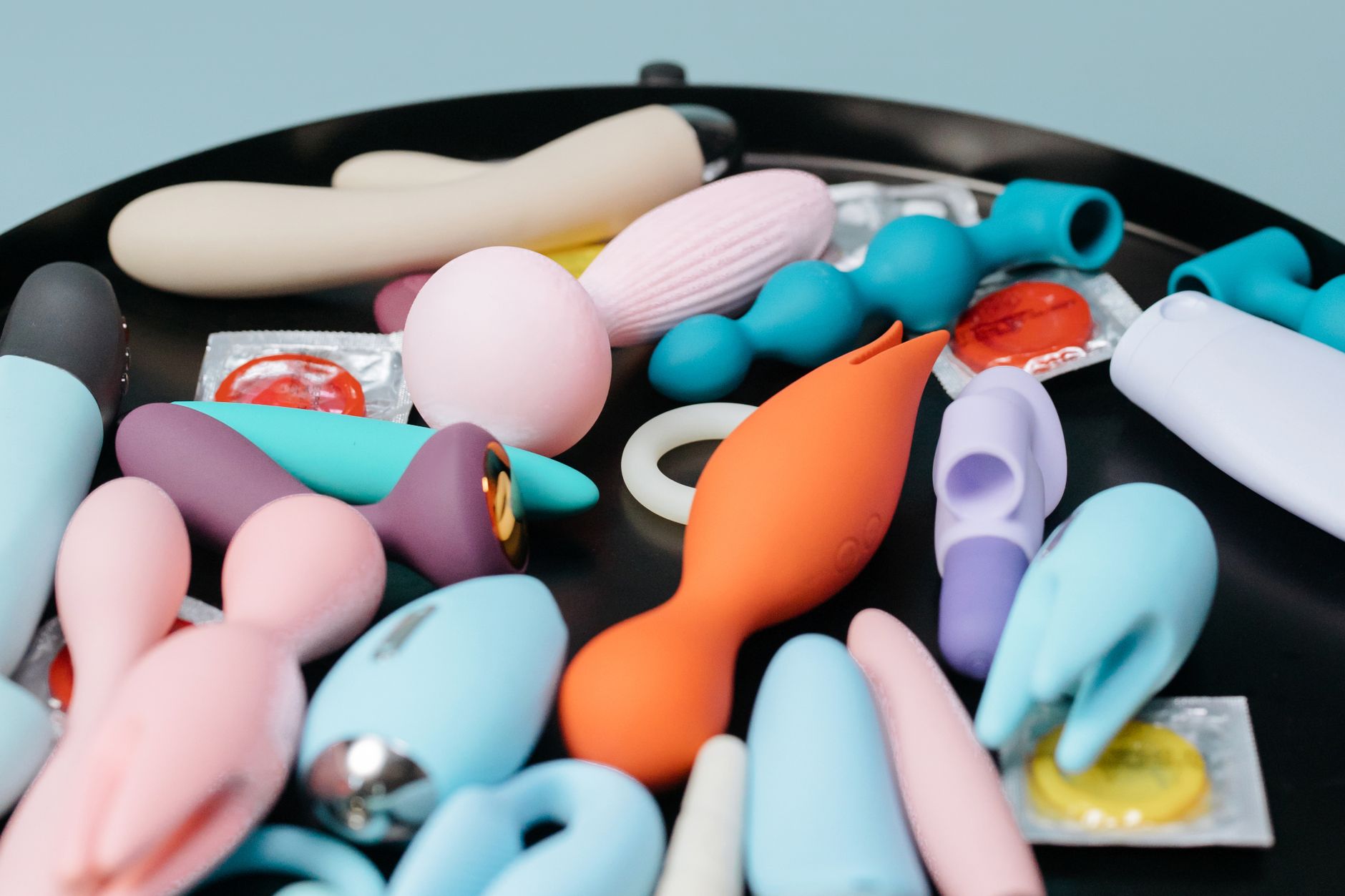
Photo by cottonbro studio on Pexels
The three-phase approach to starting again
Phase one: sensation without arousal (weeks one to three)
Don't go looking for an orgasm. Not yet. Your job here is simple: prove to your nervous system that gentle stimulation exists and feels okay.
Start with the lowest setting on your lemon vibrator. Two to three minutes, once or twice a day. No expectation of pleasure. You're basically meditating on what it feels like to be touched without pain. Pay attention to what you notice. Heat, tingling, softness, nothing at all. All of those are data.
Many people in recovery from pelvic floor dysfunction report feeling numb at first. That's normal. Your nervous system has been blocking sensation to protect you. Numbness is actually a sign the process is working. You're slowly reopening channels that were closed.
Phase two: pleasure without performance (weeks four to eight)
Once you're comfortable with phase one, add time and intention. Move to a slightly higher setting, maybe five to ten minutes. Now you're allowed to enjoy it. You're not chasing an orgasm, but you're inviting pleasure.
This is where breathing matters. Most people in pelvic floor tension breathe shallowly. Practice breathing into your belly, not your chest. Each exhale is an invitation for your pelvic floor to relax. You might feel a release happen. Sometimes it's subtle. Sometimes it's like opening a door you didn't know was locked.
If you have a partner, they can hold space while you explore. That means they're present, maybe touching you elsewhere, but not demanding anything. The safety of being witnessed, without pressure, often accelerates healing.
Phase three: integration with partnership (week nine onwards)
Once solo pleasure feels reliable, you might bring a lemon vibrator into partnered sex. Start slow. Maybe they hold the vibrator while you direct the intensity and rhythm. You're still in control. The vibrator is a tool for communication.
Many couples find this phase shifts something deeper. You're relearning pleasure together. There's often more tenderness, more patience, more genuine connection. The pressure to perform is finally off the table.
What actually helps your pelvic floor relax
There are four things that genuinely matter alongside toy use.
Relaxation breathing. Not exercise. Relaxation. Box breathing works: inhale for four, hold for four, exhale for four. Do this for three to five minutes before using your lemon vibrator. It signals to your nervous system: we're safe now. You can rest.
Warmth. A warm bath, a heating pad, warm hands from your partner. Heat triggers the parasympathetic nervous system, which is the opposite of your stress response. Everything relaxes better when it's warm.
Time without agenda. Don't use your lemon vibrator because you think you should. Use it because you want to explore. The moment you make it another task, your pelvic floor tenses back up. Pleasure isn't something you achieve. It's something you receive.
Communication if partnered. Tell your partner what you're discovering. "This setting feels too intense." "I felt something shift just then." "I need five more minutes." This isn't just practical. It's emotionally restorative. You're asking for what you need, and being heard, which is often the opposite of what happened during trauma or pain.
When to bring in professional support
If you're three weeks in and everything still hurts, or if you're not seeing any loosening of sensation by week six, talk to a pelvic floor physical therapist. They can assess whether your dysfunction is structural, neurological, or trauma-based. A good therapist will often recommend using tools like lemon vibrators as part of your recovery plan, alongside manual therapy.
If you're recovering from sexual trauma, the lemon vibrator is one part of healing, but not the whole picture. Trauma-informed therapy, preferably with someone trained in somatic work, transforms the pace and depth of recovery. A vibrator is a tool. A therapist is a guide.
The pleasure part matters most
Here's what I see with my clients who recover best. They don't focus on fixing their pelvic floor. They focus on pleasure. The relaxation follows naturally because pleasure is the opposite of tension.
A lemon vibrator gives you permission to chase sensation without guilt. You're not broken and trying to fix yourself. You're discovering what feels good and letting your body remember. That shift in perspective changes everything.
Your pelvic floor will relax when it believes it's safe. Using a lemon clitoral vibrator consistently, gently, and without pressure is one of the clearest ways to teach it that safety is real.
Frequently asked questions
How long does it actually take for a lemon vibrator to help with pelvic floor dysfunction?
Most people notice the first shift within two to three weeks of consistent use, usually just a decrease in baseline tension. Real improvement in pleasure and relaxation typically takes six to twelve weeks. Everyone's timeline is different, though. Some people see changes faster if they're also doing pelvic floor physical therapy. The key is consistency, not intensity. Three to five minutes daily beats twenty minutes twice a week.
Can I use a lemon vibrator if I'm in active pelvic floor physical therapy?
Yes, and I'd recommend discussing it with your therapist first. Most pelvic floor specialists encourage gentle vibrator use as part of home practice because it helps reinforce what they're teaching your nervous system during sessions. Use the lowest setting and avoid anything that causes pain. Your therapist can actually help you understand what you're feeling, which accelerates progress.
Why does my pelvic floor still tighten even when I try to relax with a lemon vibrator?
That's not a failure. That's your nervous system doing exactly what it learned to do. Tension is the default when you've been protecting yourself for a long time. Using the vibrator teaches your brain that tightening isn't necessary anymore. It takes repetition. Some days you'll feel loose. Other days you'll feel tight. Both are normal. Keep going.
Is there a lemon vibrator setting that's specifically good for pelvic floor recovery?
Start on the absolute lowest setting your lemon vibrator offers, usually pattern one or two. Your goal isn't intensity. It's safety and sensation. Many people never move beyond the gentler settings and have amazing results. As your pelvic floor loosens, you might enjoy higher settings, but there's no requirement to escalate. Listen to what feels good.
Should I use lube with a lemon vibrator if I have pelvic floor dysfunction?
Yes, always. Water-based lubricant reduces any friction and makes everything feel smoother and safer. It also removes the pressure of your body producing enough natural lubrication, which takes pressure off during an already vulnerable process. Lube is not cheating. It's smart recovery.
Can pelvic floor dysfunction come back, or is recovery permanent?
Recovery is usually lasting, but your pelvic floor can tighten again if you go back to old stress patterns. That's why continuing to use your lemon vibrator occasionally, even after you feel better, is a form of maintenance. It's also why building real stress management practices matters long-term. Your pelvic floor remembers safety, though. Getting back to baseline is usually much faster than the initial recovery.
The real work is permission
Using a lemon vibrator during pelvic floor recovery is partly mechanical. The suction helps. The lack of pressure helps. But the bigger part is psychological. You're giving yourself permission to feel pleasure again, slowly and safely.
That permission is often the hardest part. Your body spent months or years protecting itself. Asking it to open back up feels risky. A lemon vibrator makes it less risky. You're in control. You can stop anytime. The sensation is gentle. And your nervous system slowly learns that pleasure and safety can happen together.
That's when real recovery starts.