Your body just went through a major transition
You stopped taking the pill. For weeks, maybe months, you felt exactly the same. Then something shifted. Maybe arousal feels harder to access. Maybe your clit feels more sensitive, or less. Maybe orgasms take longer, or hit differently. Or maybe nothing feels quite like it used to, and you're not sure if that's normal or if something's wrong.
It's normal. And here's what's actually happening.
What hormonal birth control does to pleasure
The pill suppresses your body's natural estrogen and testosterone production. It flattens your hormonal cycle. For some people, this means more consistent energy and fewer mood swings. For others, it means muted desire, flattened arousal, and less intense sensation during sex. You might not have even realized this was happening until you stopped and felt the difference.
When you quit hormonal birth control, your ovaries restart producing their own hormones. Estrogen and testosterone begin cycling again. Your brain chemistry recalibrates. This takes time. Most people experience the most noticeable shifts in the first four to six weeks, but full hormonal stabilization can take three to four months.
The good news? Many people report that sensitivity and pleasure actually improve once they come off the pill. The initial weirdness passes. Your body is relearning how to respond to stimulation on its own terms.
The three phases you might notice
Phase One: The Adjustment (weeks 1-4). Arousal might feel harder to trigger. Clitoral sensation might feel heightened, almost too much. Some people describe it as raw or tender. Your libido might spike or dip unpredictably. This is your nervous system remembering how to work without synthetic hormones.
Phase Two: The Swing (weeks 5-8). Hormones are cycling now, and you're probably noticing it. Arousal might feel intense in the lead-up to ovulation and flatten out toward your period. This rhythm feels foreign if you haven't experienced it in years. Your body is learning to trust its own signals again.
Phase Three: Integration (weeks 9-12+). Sensation stabilizes. Arousal feels more predictable and authentic. Most people report feeling more in touch with their own desire for the first time in years.
How lemon clitoral vibrators help during the reset
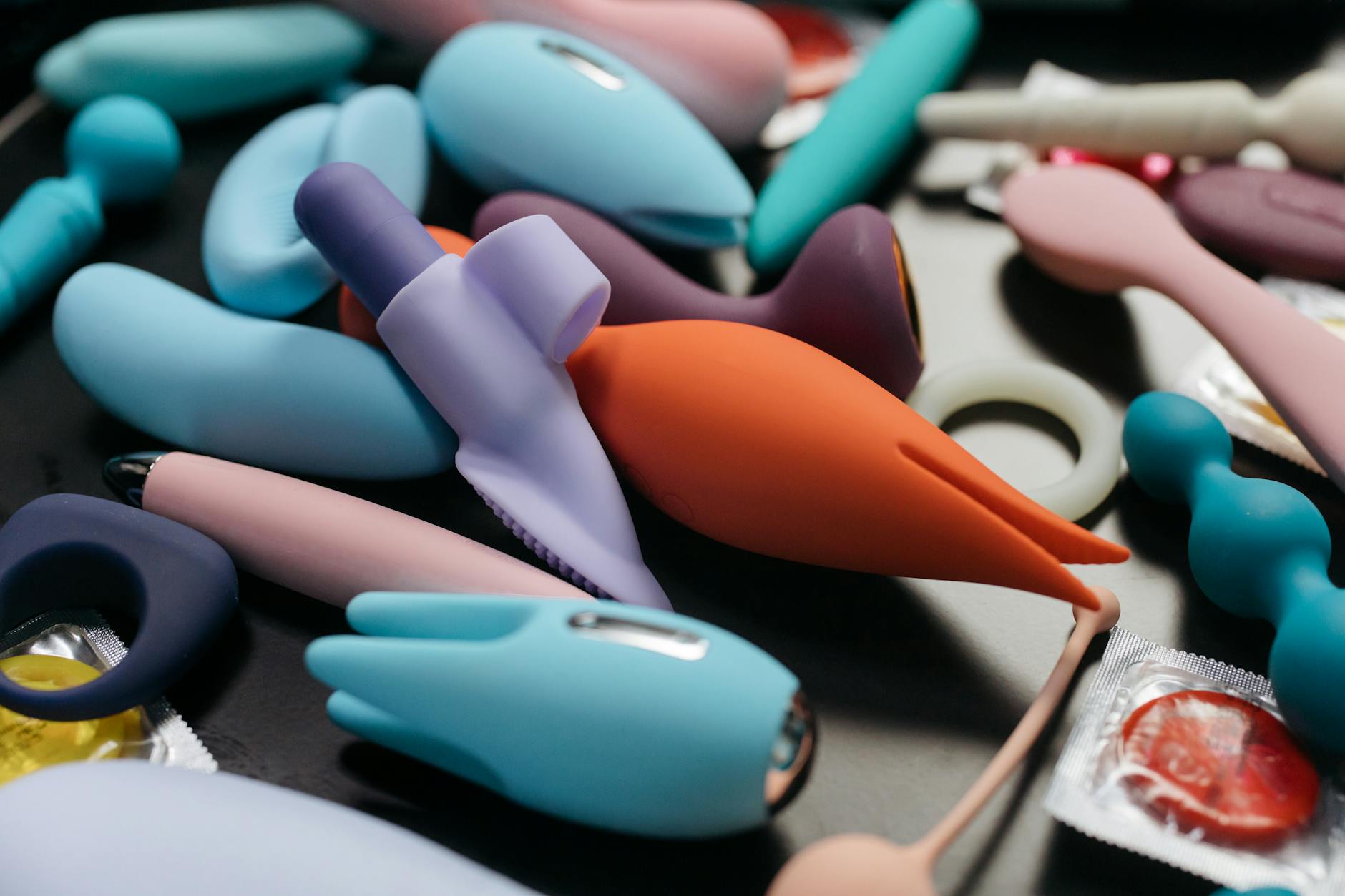
Let's be direct: clitoral vibrators, especially air-suction models like the Lem Vibrator, are genuinely useful tools during hormonal transitions. Here's why.
When you're coming off the pill, your nervous system is recalibrating its sensitivity thresholds. Direct manual stimulation can feel either overwhelming or underwhelming, depending on the day and where you are in your new cycle. A lemon clitoral vibrator gives you control. You choose the intensity, the pattern, the duration. You can start very low and dial up gradually as your body relearns its own responses.
Air-suction vibrators work differently than traditional vibrators. Instead of friction, they create a pulsing suction sensation that feels less intense on sensitive tissue and engages different nerve pathways. For people whose clits feel tender or reactive during the post-pill adjustment period, this gentler approach often feels more comfortable and actually builds sensation over time.
The psychological piece matters too. When arousal feels uncertain, having a tool that reliably produces results can reduce performance anxiety. You're not waiting to feel desire that might not arrive on schedule. You're actively engaging with your body. That agency itself can help rebuild the confidence that hormonal suppression sometimes erodes.
Your week-by-week adjustment strategy
Weeks 1-2: Exploration mode. Use the Lem Vibrator at the lowest setting (pattern 1 or 2) for short sessions, just 5-10 minutes. The goal isn't climax. It's reacquaintance. Notice what feels good, what feels too much, what feels like nothing. Keep a very basic log if it helps: time of day, where you are in your cycle, what patterns felt best.
Weeks 3-4: Building sensitivity. You've got a baseline now. Extend sessions to 10-15 minutes. Start at the lowest intensity and work up gradually within a session. Don't jump to the strongest pattern immediately. Let your body remember how to escalate arousal in stages.
Weeks 5-8: Cycle awareness. Pay attention to how sensation shifts across your cycle. Many people find that ovulation week feels more sensitive and arousal-friendly. Premenstrual week might feel tender or harder to access. Both are normal. Adjust your approach: lighter touch during tender phases, more exploration during high-sensitivity windows.
Weeks 9+: Integration. By now, you should feel noticeably more in tune with your own responses. Pleasure probably feels more authentic and less mediated by external factors. You're using the lemon clitoral vibrator because it genuinely feels good, not because you're trying to force arousal.
The mental piece is not optional
Here's what nobody tells you about coming off hormonal birth control: the physical recalibration is only half the story. The psychological half is just as real.
For years, maybe a decade, the pill told your body "this is how we're doing things now." Your brain adapted. Your expectations adjusted. You might have learned to live with lower desire, muted sensation, or difficulty climaxing. You possibly started to believe that's just your baseline.
Now your body is saying something different. That's disorienting. Some people feel relief. Some feel grief about the time they spent in a suppressed state. Some feel excited but also untrusting of their own signals.
All of this is completely normal and worth acknowledging. If you're in a relationship, your partner is probably noticing these shifts too. Talking about it matters. "My body is recalibrating" is useful information. "I'm interested in exploring how things feel now" is an invitation to reconnect. Don't skip that conversation and expect your pleasure to feel straightforward.
When to check in with a healthcare provider
Most of what you're experiencing in the first three months is normal recalibration. But a few things are worth flagging if they persist:
If pain appears during sex or arousal, that's not normal post-pill adjustment. Same with unusual discharge, bleeding patterns, or severe mood shifts. A few check-ins with your gynecologist can rule out anything that needs attention.
If, after four months off the pill, your libido hasn't returned at all and you're experiencing fatigue, mood changes, or hair loss, talk to your doctor. Sometimes coming off hormonal birth control surfaces other hormonal imbalances like thyroid issues or nutritional deficiencies. That's fixable, but it needs professional eyes.
If you're experiencing depression or anxiety that didn't exist before quitting, that can also be hormonal. It's worth investigating rather than white-knuckling through it.
The lemon sucker approach to rediscovering sensation
One more practical note: the lemon clitoral vibrator's suction mechanism is gentler than traditional vibration patterns. If you're still in the tender phase, this matters. Start with suction-only patterns before adding vibration. Let your body tell you when it's ready for more intensity.
Many people rediscover sensation they'd forgotten about using this approach. The suction creates a different type of stimulation than anything they experienced on the pill. It can feel novel and engaging in a way that helps rebuild the connection between brain, body, and pleasure.
You're not starting over, you're restarting
Coming off hormonal birth control isn't a return to who you were before the pill. Your body is older, your preferences have shifted, your nervous system has learned things. You're integrating your own hormones back into a more complex version of yourself.
The lemon vibrators and clitoral vibrators in your toolkit are here to help you explore that. They're not crutches. They're invitation tools. They help you ask your body questions again. "What feels good now?" "Where does sensation live?" "What does my arousal look like when it's coming from me and not a prescription?"
Give yourself grace for the first month or two. Your body isn't broken. It's learning. And the pleasure waiting on the other side of this adjustment often feels more authentic and more yours than what came before.
FAQ: Post-pill pleasure and clitoral vibrators
How long does it take for sensation to stabilize after stopping birth control?
Most people notice the biggest shifts in the first four to six weeks. Full hormonal recalibration typically takes three to four months, but some people stabilize faster. This timeline is individual. Factors like how long you were on the pill, your baseline neurology, stress levels, and overall health all influence the pace. If you're past four months and sensation still feels completely off, that's worth discussing with a healthcare provider.
Is it normal for my clitoris to feel more sensitive after quitting the pill?
Yes, and it can feel almost uncomfortable at first. Hormonal birth control slightly dampens tissue sensitivity. When you quit, that heightened sensitivity can feel raw or reactive. This usually settles within a few weeks. If the sensitivity feels painful rather than just intense, or if it persists past two months, check with your gynecologist to rule out irritation or other factors.
Can I use a lemon clitoral vibrator while my body is adjusting, or should I wait?
You can absolutely use one during adjustment. In fact, many people find it helpful. The key is starting at low intensity and letting your body guide the pace. Use a lemon clitoral vibrator as an exploration tool, not as a performance tool. You're learning what feels good now, not trying to achieve specific outcomes.
Will my arousal come back? Some days I feel nothing.
Most likely yes, but the timeline varies. Some people report their libido returning almost immediately. Others take three to four months. Stress, sleep, relationship dynamics, and overall health all influence this. If you're also managing depression, anxiety, or significant life changes, those factor in too. One useful approach: use a clitoral vibrator during low-arousal phases. It can help your nervous system remember that pleasure is accessible, which sometimes helps rebuild desire over time.
Can I use a Lem Vibrator during my period after coming off the pill?
Yes. Many people find that using clitoral vibrators during their period actually helps with cramping and mood. The increased blood flow and endorphins often feel really good. Just make sure you're cleaning your vibrator afterward if you use it internally, or keep it external-only if you prefer. Your period doesn't change the safety of using a lemon clitoral vibrator.
What if I'm in a relationship and my desire shifts don't match my partner's expectations?
This is worth naming directly. Your body's recalibration affects both of you. The conversation might look like "My body is relearning how to respond to stimulation. Some days feel very different from others. I want us to explore this together and give my nervous system time to settle." That's honest and actionable. Using a lemon clitoral vibrator together, or having your partner understand you're using one solo to explore, can help bridge the gap while your body resets. If desire stays mismatched after a few months, couples work with someone who understands post-pill transitions can help clarify what's hormonal versus relational.
What comes next
Coming off hormonal birth control is a full-body and full-mind reset. Your pleasure is part of that. Using tools like the Lem Vibrator thoughtfully during this transition can help you reconnect with sensation in a way that feels grounded and yours.
If you're navigating this shift and want more specific guidance tailored to your relationship or your body's particular responses, reach out. Contact us to chat about what's working and what isn't. You deserve pleasure that feels authentic, and you deserve support in rebuilding it.