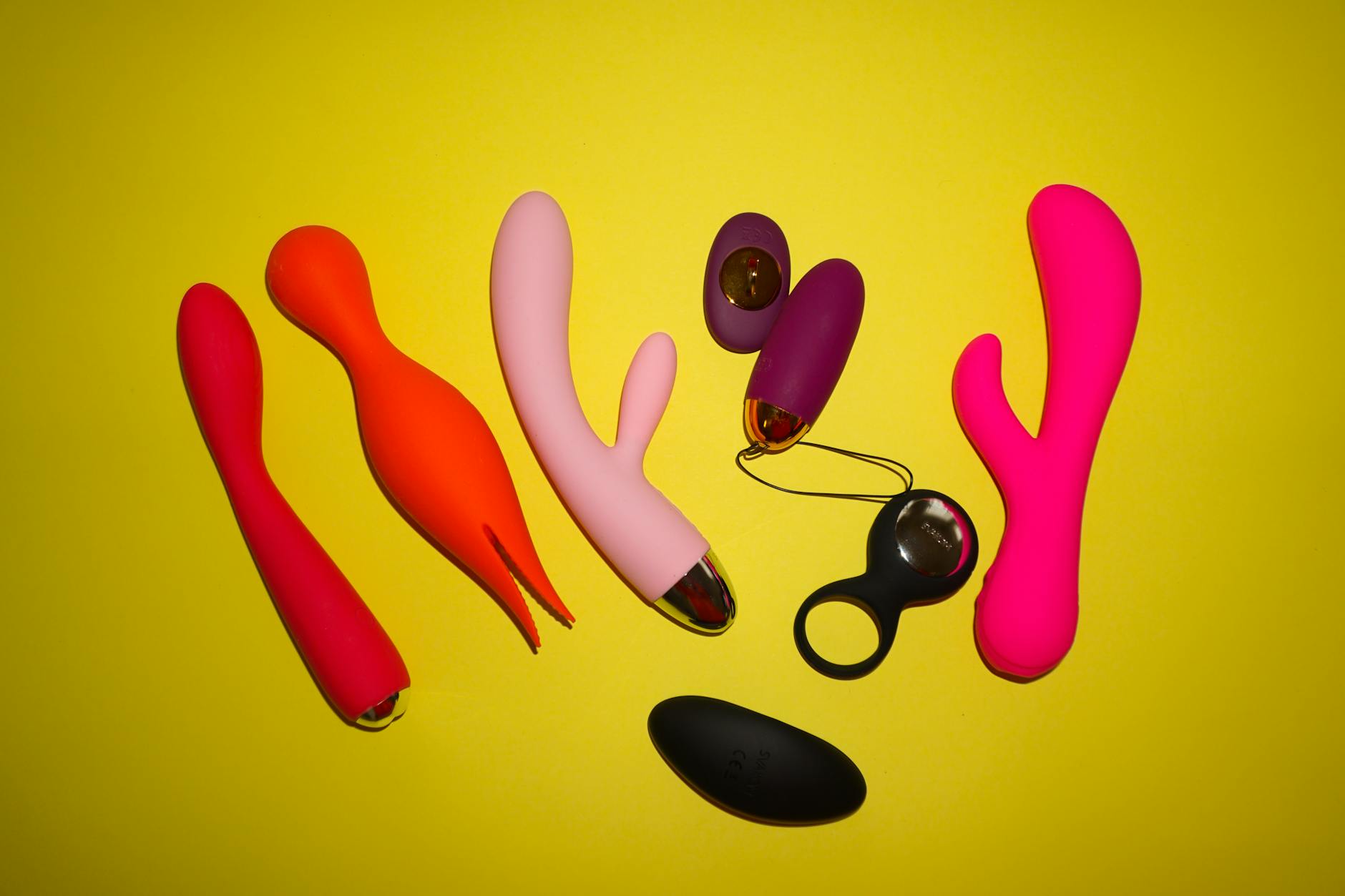
Here's the thing about birth control and sensation
Starting hormonal birth control changes your body. Not in a bad way. Just differently. And when you're introducing a toy like a lemon clitoral vibrator into that mix, the shift is worth understanding upfront so you're not caught off guard.
The most common refrain I hear from clients is: "It worked great at first, then something shifted." That something is usually hormonal. Your birth control is doing exactly what it's supposed to do. Your body is responding. And your lemon vibrator will feel it.
How hormonal birth control shifts sensation
Most hormonal contraceptives work by suppressing ovulation, which means your estrogen and progesterone levels stay relatively flat instead of cycling. This steady state changes three things:
Lubrication patterns. On the pill, patch, or ring, your natural lubrication tends to be lighter and less responsive to arousal. This doesn't mean anything is wrong. It means you'll benefit from lube when you use a lemon vibrator. Water-based works perfectly and feels natural against silicone.
Clitoral sensitivity. Some people report that their clitoris feels less responsive in the first few weeks of starting birth control. The sensitivity usually returns as your body adjusts, often within one to two cycles. If it doesn't, that's worth flagging with your doctor. Persistent numbness isn't normal, even on contraception.
Arousal timing. Without the natural testosterone surge that happens mid-cycle, many people find arousal takes slightly longer to build. You might need an extra 5-10 minutes of warm-up than you did before. That's not a loss. It's just a different rhythm.
Why some birth control methods hit different than others
Not all contraception affects sensation equally. The variation matters when you're trying to figure out if your lemon vibrator feels off or if it's your specific pill.
Combination pills (estrogen plus progestin) tend to create the flattest hormone profile. If you're on one of these and noticing muted sensation, you're not alone. Some people switch to a different formulation and find things snap back to normal.
Progestin-only pills, implants, and IUDs create a different hormonal environment. Sensation changes can be less pronounced, though everyone's nervous system is different. There's no universal rule here.
Non-hormonal methods like copper IUDs don't change sensation at all. If you're curious how your body responds to toys without the hormonal variable, that's one data point.
What actually happens when you use a lemon vibrator on birth control
I'm specific about lemon clitoral vibrators here because the suction mechanism works differently than traditional vibration. Suction doesn't rely as heavily on your body's natural lubrication to feel good. In fact, the gentle seal it creates often feels more intense for people on hormonal birth control precisely because there's less glide friction.
The first session after starting a new contraceptive can feel surprisingly strong. That's not the vibrator. That's your clitoris responding to a different pattern of stimulation without the added moisture it was used to. It might feel sharper or more concentrated. Some people love it. Some people back off the intensity setting and work back up.
Here's what to do: Start on pattern 1 or 2 on a lemon vibrator. Let yourself sit with it for a few minutes. Your body will tell you if the sensation is good-strong or too-strong. Most people find that adding a tiny bit of lube changes everything. Not because something is broken, but because your body's working with less of its own.
The adjustment window and what's normal
Your body typically adjusts to a new birth control regimen in three months. During that window, sensation can fluctuate. Some days a lemon vibrator feels amazing. Some days it feels meh. That variance is normal and almost always settles down.
If after three months things still feel numb or painful, contact your doctor. You might need a different formulation. Some people respond much better to a lower-dose pill or a different progestin. Switching is easy and worth trying if sensation matters to you.
One odd thing I've noticed clinically: some people actually experience heightened sensation two or three weeks into a new birth control pill. The novelty wears off after a few more weeks and settles into a new normal. So if a lemon vibrator suddenly feels incredible, enjoy it. That peak usually isn't permanent, but it's real while it lasts.
The mental piece (which affects the physical piece)
Starting birth control often comes with a shift in how you feel about your body. Less anxiety about pregnancy. More freedom. That psychological reset can actually amplify sensation. You're less in your head, which means more blood flow to where it matters.
If you're starting birth control and also noticing that a lemon clitoral vibrator feels weaker, I'd ask: are you also more stressed, more busy, less present during sex? Sometimes the hormone shift gets blamed for what's actually a life-rhythm shift. Worth examining.
When to use lube and when you might not need it
Honestly, on hormonal birth control, having lube on hand is just smart. You might not need it every time. But some patterns or some days, your natural lubrication dips below what feels comfortable against silicone.
Water-based lube is the safest bet. It won't degrade your lemon vibrator, it feels natural, and it's easy to clean up. Apply a small amount to the lemon's surface or directly to your clitoris. A little goes a long way with suction toys.
Silicone lube feels richer and lasts longer, but it can damage silicone toys over time. Stick to water-based unless your toy is specifically marked as silicone-compatible (most aren't).
The broader context: pleasure on hormonal contraception isn't diminished, just different
I want to be clear here: birth control doesn't ruin sex. It doesn't ruin toys. It shifts how your body responds, and that shift is manageable once you understand it.
Many people find that the freedom from pregnancy anxiety actually deepens their pleasure. The ability to focus without fear is its own kind of liberation. A lemon vibrator or any clitoral vibrator becomes a tool for exploring that freedom more fully, not a sign that something's broken.
If you're in the first weeks of a new contraceptive and your lemon vibrator feels off, that's likely a temporary adjustment. Give it time. Use lube. Start on a lower setting. Your body will find its rhythm with the toy and with the hormones.
FAQs
Will my lemon vibrator stop working if I'm on birth control?
No. The suction mechanism isn't affected by hormones. Your body's response to it might feel slightly different, but the toy itself functions exactly the same way. What changes is lubrication and sensitivity, both of which are easily managed.
How long does it take to adjust to using a lemon clitoral vibrator on a new birth control?
Most people notice stabilization within one to three cycles. Your body typically settles into a new hormonal baseline after three months. If sensation still feels muted after that window, it's worth checking with your doctor about whether your specific formulation is the right fit.
Can I use my lemon vibrator on different birth control methods?
Yes. The toy itself doesn't interact with contraception. What varies is how your body responds to stimulation depending on which method you're using. Non-hormonal methods won't affect sensation. Hormonal methods create subtle shifts that some people notice and others don't.
Should I add lubricant when using a lemon vibrator if I'm on birth control?
It's a good idea to have it available. You might not need it every time, but many people find that lubrication enhances comfort and sensation when they're on hormonal contraception. Water-based is safest for silicone toys.
Does the pill affect orgasm intensity with a lemon vibrator?
For some people, yes. Others don't notice a difference. The hormonal shift can make orgasms feel slightly different in texture or intensity, but most people find the variation is minimal once their body adjusts. The ability to orgasm doesn't change. The sensation might feel a shade different, and that's usually temporary.
What if my lemon vibrator feels uncomfortable after starting birth control?
Start lower. Use lube. Give your body time to adjust. If discomfort persists beyond three months, talk to your doctor. Persistent pain during sexual activity is never normal, and it might signal that your specific birth control isn't the right match for your body.
The bottom line
Birth control is a life-shifting decision, and it makes sense to notice changes in how your body responds to pleasure. A lemon vibrator is a tool for exploring that response. If things feel different, that's data, not a problem. Most shifts settle within a few weeks. The ones that don't are worth discussing with your doctor.
Your pleasure matters on birth control just as much as it did before. You deserve sensation that feels good. That sometimes means being patient with your body's adjustment and sometimes means being willing to try something different. Both are legitimate choices.
If you're curious about how your specific body responds to clitoral vibrators or other toys while managing hormonal contraception, support is available. Reach out to Hello Nancy or chat with a sex-positive provider who understands both the physical and emotional dimensions of pleasure on medication.
Sources
American College of Obstetricians and Gynecologists (ACOG). "Hormonal Contraception." Patient education resources on physiological effects of oral contraceptives and hormonal shifts.
National Health Service (NHS). "How Contraception Affects Sexual Function." Clinical guidance on hormonal contraceptive methods and sensory changes.
Kirk, E., et al. (2019). "Sexual Function and Hormonal Contraception: A Systematic Review." Sexual Medicine Reviews. Evidence on contraceptive formulations and reported changes in sexual sensation and arousal.